Natural Health: What can I do about the spider veins on my thighs?
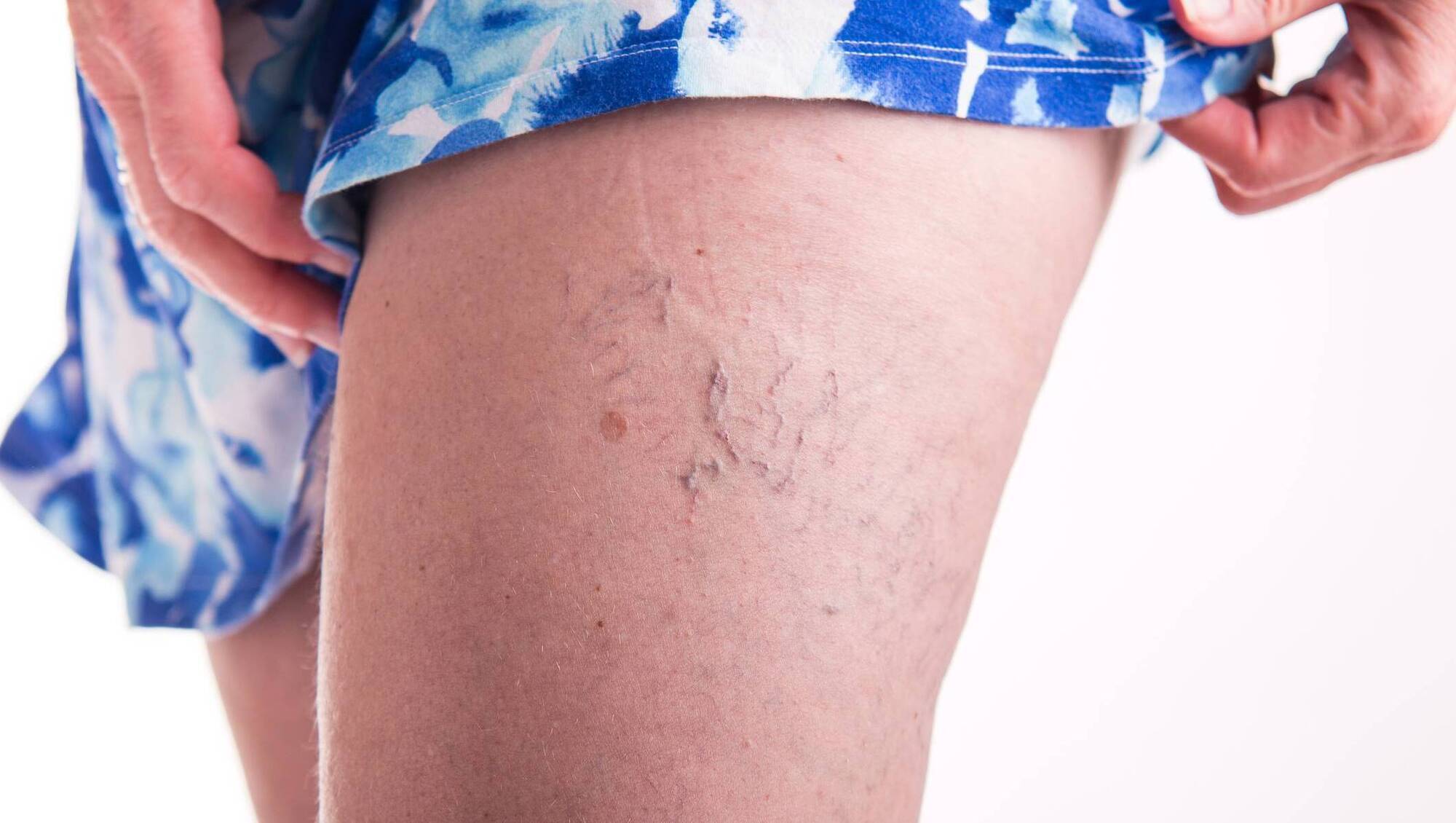
Spider veins are damaged capillaries that tend to cause more cosmetic concerns than actual harm. Picture: iStock
Spider veins are damaged capillaries that tend to cause more cosmetic concerns than actual harm. However, they can indicate that your circulatory system could use some support. Using remedies that strengthen the walls of the entire venous system is a good place to start.
One of my favourite herbal remedies for improving venous tone is the simple calendula flower. Calendula not only helps strengthen the walls of capillaries and veins but also reduces inflammation. You can find calendula in lotion, cream, or salve form. The petals can be easily brewed as a soothing cup of tea. Use a teaspoon of dried petals or a tablespoon of fresh petals per cup of near-boiling water.
Witch hazel is well known as a facial toner, and is sometimes used as a natural remedy for small surface veins due to its astringent properties. You can apply it topically to help temporarily reduce the appearance of broken capillaries.
Internally, I recommend horse chestnut (Aesculus hippocastanum) as a herbal remedy to restore tone and elasticity to veins, both small and large. The Venaforce range from A Vogel (available from most health stores or online at avogel.ie) is formulated using horse chestnut to target varicose veins, haemorrhoids, and spider veins. It is available as tincture tablets, liquid tincture, and gel for topical relief. Do not take horse chestnut together with aspirin or other anticoagulants.
In addition to the above recommendations, you might consider supplementing with vitamin K2, as it is an important nutrient for repairing capillaries and strengthening the circulatory system.
Given that you are in your 50s, it is highly likely that your itchy skin is menopause related. In fact, one of the main reasons women experience itchy skin is histamine intolerance.
Symptoms can feel cumulative —the more histamine is released, the more aggravated and severe they may become. You may find that symptoms come and go, but managing histamine levels and triggers is key to reducing them and helping to prevent new or worsening symptoms.
Histamine is necessary for gut, brain, immune, and nervous system function. However, when too much histamine is present or the body has trouble breaking it down efficiently, some people may develop an intolerance to it.
Produced naturally within our mast cells, histamine is also found in certain foods. Following a low-histamine diet and keeping track of symptoms are among the most effective ways to determine whether histamine is at the root of your problems. If histamine is indeed the issue, then you will notice a significant reduction in your symptoms (or they may go away altogether).
Take a look at histamineintolerance.org.uk for more information, including a food diary.
Alcohol introduces histamine and triggers our bodies to release histamine. Leftovers are another problematic source of histamine, along with fermented foods and drinks. Yoghurt, sauerkraut, kefir, kombucha, and kimchi should be avoided.
Fluctuating oestrogen levels during perimenopause can influence the body’s response to histamine, which may contribute to skin irritation in some women.
It is worth noting that some medications can affect histamine levels or activity, including painkillers and antidepressants, so chat with your doctor if you are on any medications.
NOTE: The information contained in this column is not a substitute for medical advice. Always consult a doctor.


CONNECT WITH US TODAY



Be the first to know the latest news and updates