Natural health: I feel bloated in the run-up to my periods

Supporting the liver is an important first step in addressing any hormonal imbalance. Picture: iStock
In short, yes. Dandelion root (Taraxacum officinale) is a herbal remedy to help ease your pre-menstrual symptoms. For starters, it helps to support liver function, which aids in hormone metabolism. Supporting the liver is an important first step in addressing any hormonal imbalance.
In the case of bloating, dandelion root also works effectively as a diuretic, helping reduce fluid retention and swelling. It also helps to prevent electrolyte imbalances as it is naturally rich in potassium.
Another pre-menstrual bonus is dandelion’s anti-inflammatory action due to being rich in polyphenols and flavonoids and the compound taraxasterol. It is also known to regulate blood sugar, which is a crucial component of PMS symptom management.
You can take dandelion root in supplement form — capsules or tincture — but, as you have noted, it is also commonly taken as a herbal tea. Raw dandelion root is a relatively pleasant infusion; if you can find roasted dandelion root, it’s a flavourful option many people prefer. To really benefit from this herb, I would suggest combining raw and roasted in a 50/50 ratio to get the best of both worlds.
Parkinson’s is characterised by the gradual degeneration of dopamine-producing nerve cells in the area of the brain that helps control movement.
Slightly more common in men than in women, this condition affects around one in every 100 individuals over the age of 65. It is worth noting that it is not passed from one generation to the next.
Conventional treatment can be effectively supported and maximised with alternative therapies, so it is worth investigating the likes of homeopathy, physiotherapy, reflexology, and acupuncture or acupressure.
While the disease itself creates issues with respect to the quality of life, it is not directly life-threatening. Many individuals, like yourself, effectively manage symptoms using medication, surgical therapy, or a combination of the two.
In Parkinson’s, the drop in dopamine (a chemical messenger that helps regulate smooth, controlled muscle activity) disrupts the balance with other transmitters, such as acetylcholine. This deficiency makes it more difficult to direct and control movement.
Free radicals are often implicated in conditions involving tissue damage (including nerve cells). Antioxidants, which can be obtained from diet and supplementation, help keep this damage in check.
Since nutrient absorption and utilisation are diminished with Parkinson’s, it is a good idea to take a digestive enzyme supplement. Calcium and magnesium are also necessary for the health of your nervous system.
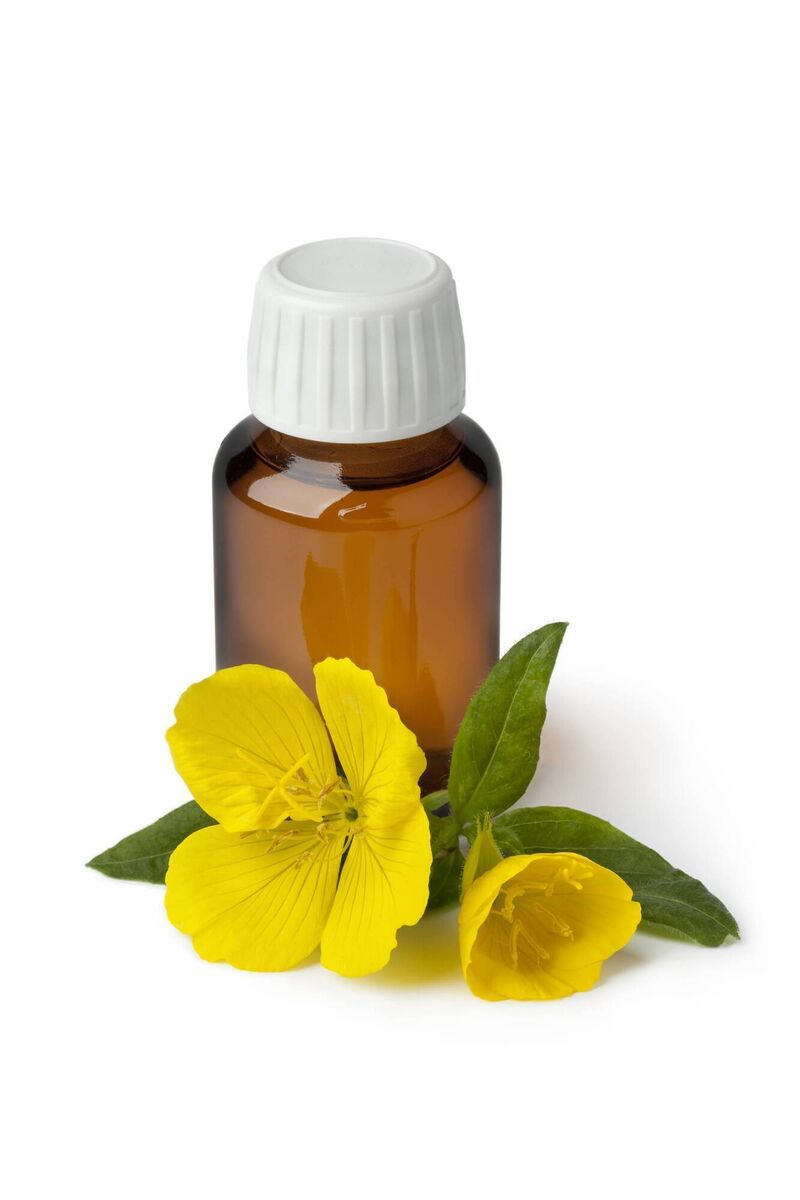
Evening primrose oil contains valuable essential fatty acids, often deficient in individuals with Parkinson’s. Always discuss with your specialist whether a particular supplement is appropriate or useful and to assess the appropriate dosage.
Hot spices should be avoided, since they can trigger uncontrollable physical movements in some individuals. Avoiding processed foods, coffee, tea, artificial sweeteners, sugar, tobacco, and alcohol is also strongly encouraged, as they overstimulate an already stressed nervous system.
For further support and information, visit the Parkinson’s Association online at www.parkinsons.ie or phone 1800 359 359.
- NOTE: The information contained in this column is not a substitute for medical advice. Always consult a doctor.
Read More


CONNECT WITH US TODAY



Be the first to know the latest news and updates