Headgear does not reduce brain injury risk in sport, Oireachtas hears
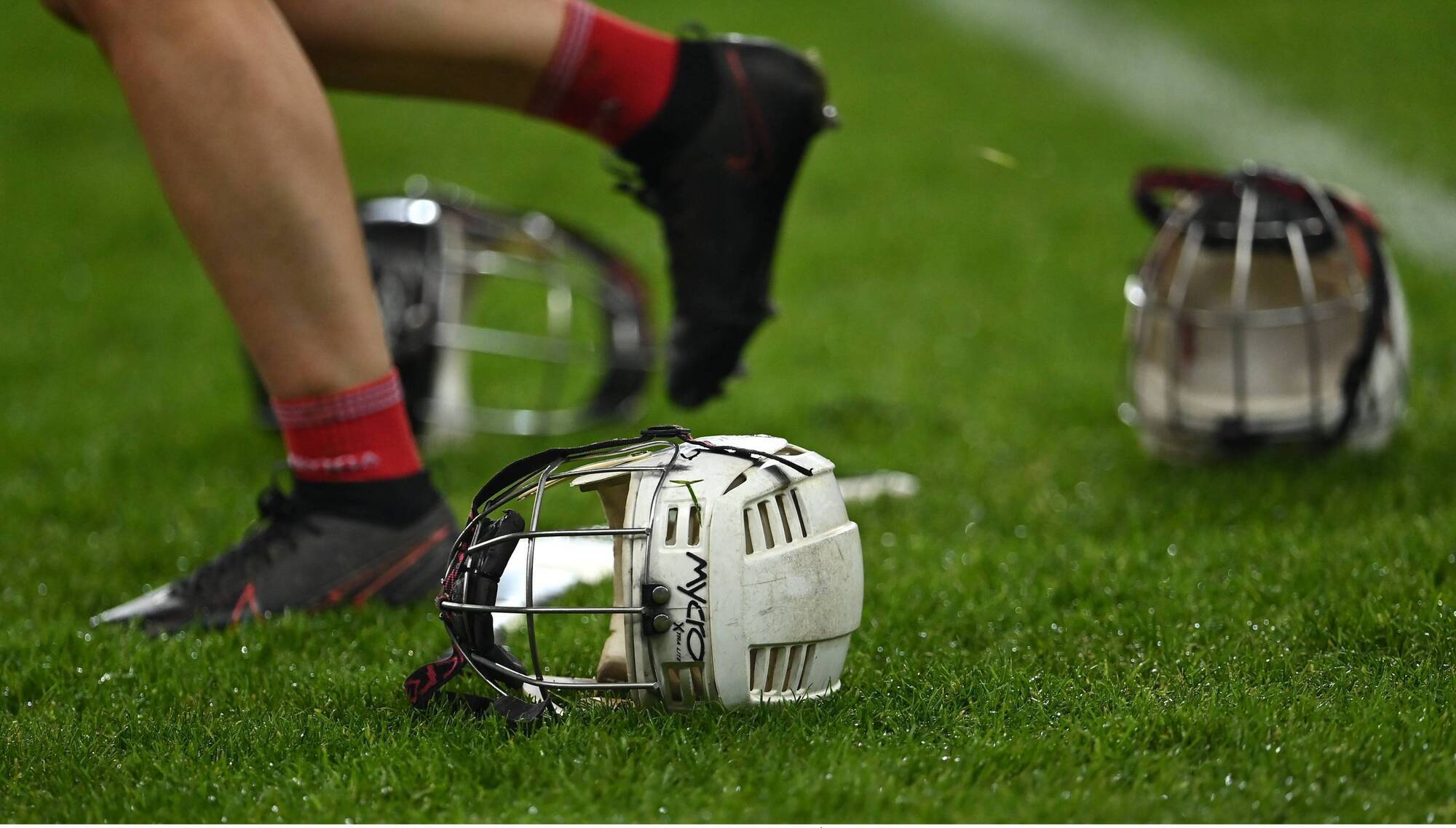
The introduction of mandatory helmets in hurling was to do with the number of ocular injuries and lacerations to the face, Professor Campbell said. File picture: Piaras Ó Mídheach/Sportsfile
Head protection does not make sport safer when it comes to brain injuries, experts have warned, calling for greater education on the potential long-term impacts of repeated injury.
Professor Matthew Campbell and Professor Colin Doherty, both of Trinity College Dublin, along with Andy Dunne, a former professional rugby union player, addressed the Oireachtas Committee on Sport on Wednesday.
The group appeared before the committee with “a shared concern regarding brain health in sport and a shared belief that this issue now requires coordinated national attention.”
Research conducted by Professor Campbell and Professor Doherty has found that a significant proportion of retired athletes show persistent disruption of the blood-brain barrier, a critical protective system.
Read More
In some, this barrier remains compromised for years — and in some cases decades — after they have stopped playing sport. These changes do not appear to be explained by the number of diagnosed concussions an athlete has sustained, but are more closely associated with cumulative exposure.
“In other words, the everyday collisions that are often considered routine in many sports may, in aggregate, be driving long-term brain injury,” Professor Doherty said.
The three men emphasised the many benefits of sport and did not specify which sports, if any, should be banned or avoided by young players.
Andy Dunne said that while he wouldn't discourage any child from playing sports that involve a ball, he would have “reservations” about sports involving pugilism or significant physical contact.
“I think it's pretty obvious that sports involving direct head contact are not good for your long term health,” Professor Campbell said.
“The data is pointing us to dose effect; The longer the career is, the more repetitive head trauma, independent of the sport, is what the problem is.”
There are two issues at play, he added. One is the acute management of concussion, and the second is the long term impact.
The group was also asked about head protection. The National Football League has a significant problem with Chronic Traumatic Encephalopathy (CTE), Professor Doherty said. “Yet it uses the best [helmets]. There's billions poured into helmet technology.”
Helmets change behaviour, he added.
“If you wanted to make the NFL safer tomorrow, just take their helmets away. They wouldn't use their heads as a weapon.”
“Sometimes people think there are obvious solutions, just get head protection, like scrum caps. I tell parents ‘do not wear scrum caps’ because a 17-year-old wearing a scrum camp thinks ‘oh, I'm protected’.”
They change their behaviour and get a bit braver “because they think their head is protected”, he added.
“So I say, don't use it. Please let them protect their heads naturally.”
The introduction of mandatory helmets in hurling was to do with the number of ocular injuries and lacerations to the face, Professor Campbell said.
“Helmets, in any regard, do not stop concussions,” he said, adding that is notwithstanding the “brilliant evidence” of them as a public health measure.
As a professional player 25 years ago, "culturally it was less acceptable to come off the field", Andy Dunne said. "That's because there was less awareness, there was less research, there was a culture of, to quote Colin, 'gladiatorial combat' in the sport."
However, there has been “almost a complete reversal” in attitudes to leaving the field, he said.
"I think it is accepted by peers, among players and coaches, even against their own competitive will, for example, to win a game."

CONNECT WITH US TODAY



Be the first to know the latest news and updates