From the humble morning cuppa to raw carrots, here are five simple foods proven to boost your mood

Eating more of some foods (and less of others) can lead to higher levels of happiness and optimism.
As if we needed reminding, Met Éireann revealed that last month was the 19th wettest February on record, with a 19% higher rainfall above normal. And with so much world doom and gloom, we all need some sunshine and lightness in our lives. A team of scientists from Northern Ireland may have found the solution: Prof Aedín Cassidy, from the Co-Centre for Sustainable Food Systems and the Institute for Global Food Security at Queens University Belfast, says we should start with our diet.
Following one of the largest studies of its kind, Cassidy has shown that eating more of some foods (and less of others) can lead to higher levels of happiness and optimism. Just what everyone needs at the moment. She and her colleagues worked alongside researchers from the Harvard TH Chan School of Public Health to find out whether consuming a diet rich in flavonoids — naturally occurring compounds found in a variety of plant foods — can boost mood.
Flavonoids, a subgroup of polyphenol plant compounds, cross the brain barrier and affect neurotransmitters and blood flow, potentially improving a range of cognitive outcomes. Not all plant foods contain them, but they are present in berries, grapes, tea, and dark chocolate. Previous studies have shown that a high flavonoid intake is linked to living longer and being less likely to get chronic diseases such as dementia, diabetes or heart disease. Now, mood improvement can be added to that list.
“Ours is the first large study to highlight the positive connection between what we eat and our long-term happiness,” says Dr Alysha Thompson, a colleague of Cassidy’s at Queen’s and co-author of the paper. “It also points to a positive cycle, in that eating well can boost happiness, and feeling happier may encourage healthier dietary habits.”
Based on data from more than 40,000 women aged 18 and older, the team tracked whether flavonoid intake affected long-term psychological wellbeing. Results published in Clinical Nutrition showed that those who consumed about three servings a day of flavonoid-rich blueberries, strawberries, apples, or citrus fruits experienced a 3% to 16% sustained boost to mood and outlook. In other words, they were consistently happier and more optimistic than those with low intakes.
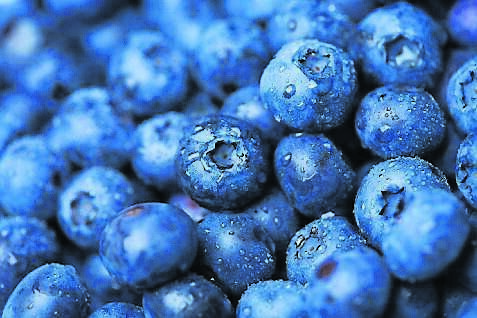
“There’s a definite dose response,” Thompson says. “The more we eat of these flavonoid-rich foods, the better for our optimism.”
Where to start for a mood boost? We ask the experts for their top tips on a happy diet:
A similar conclusion was reached in a recent review by psychologists at the University of Reading, which showed a positive link to mood and mental health over time, with foods including cocoa, berries, cherries, peppermint, walnuts, and green tea on the list of happiness-inducing ingredients.
“Caffeine works by blocking adenosine receptors, which can increase dopamine activity in key brain regions — an effect studies have linked to improved mood and greater alertness,” says Anu Realo, professor in the department of psychology at Warwick.
The effects could be down to a reduction in caffeine withdrawal symptoms after a night’s sleep, Realo says, but that morning coffee works wonders.
Conner suggested it is probably because levels of important brain nutrients are lower in vegetables or fruits that have been cooked or otherwise processed. Her top 10 foods to eat raw for better mental health are carrots, dark leafy greens, fresh berries, grapefruit, lettuce, citrus fruits, cucumber, kiwi fruit, bananas, and apples.
The UCD team discovered that people prone to anxiety disorders tend to have reduced levels of choline in their brains. And levels were lowest in the prefrontal cortex, a brain region involved in thinking and emotional regulation.
“Someone with an anxiety disorder might want to look at their diet and see whether they are getting the recommended daily amount of choline,” said Richard Maddock, a psychiatrist and research professor in the Department of Psychiatry and Behavioural Sciences and lead author of the paper.

CONNECT WITH US TODAY



Be the first to know the latest news and updates