Human to human hantavirus transmission suspected on cruise but risk to public low, WHO says
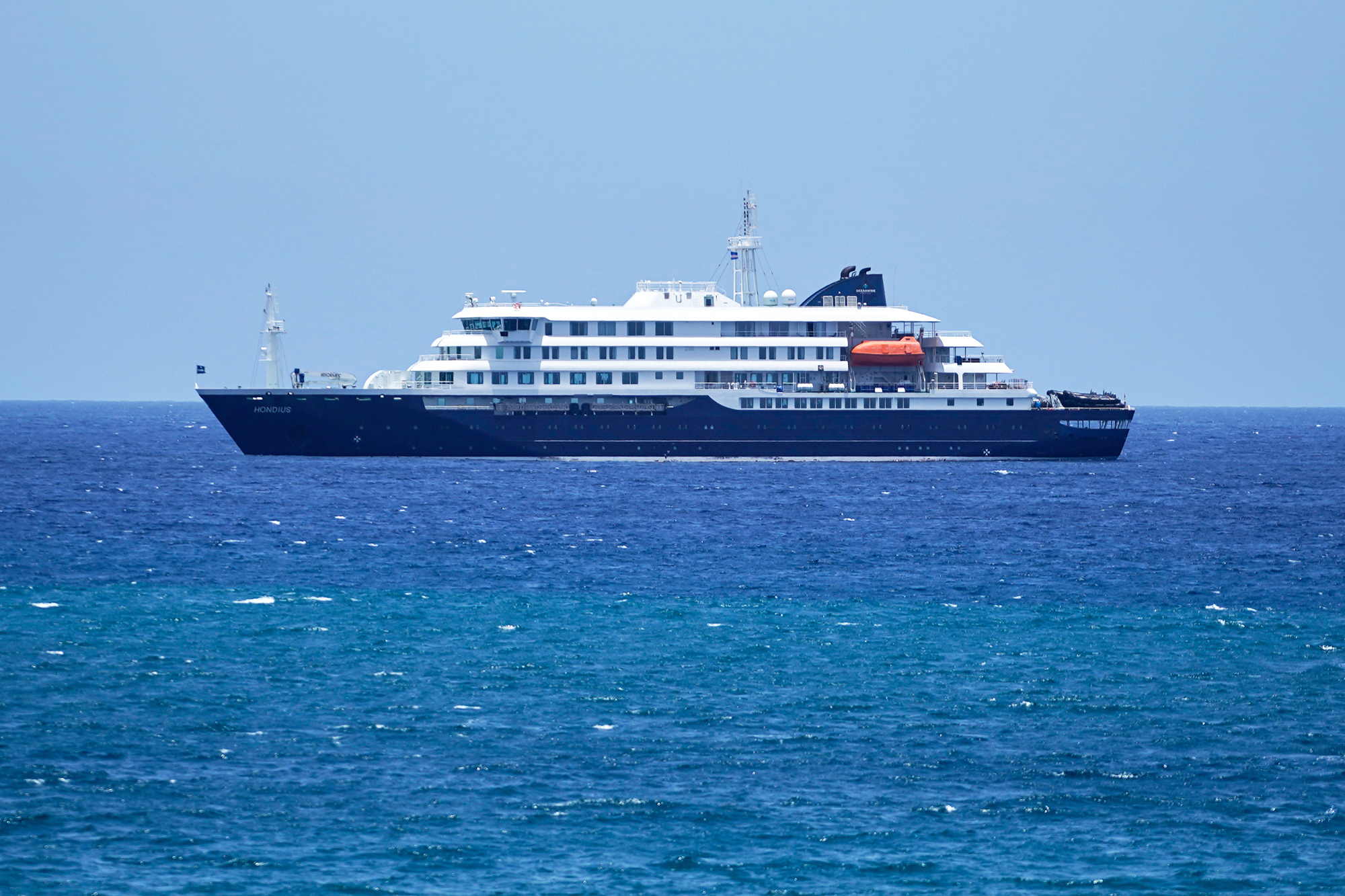
Author Ann Lane is one of two Irish women on board the MV Hondius, which is anchored off the coast of Cape Verde
Human to human hantavirus transmission suspected on cruise but risk to public low, WHO says

The MV Hondius cruise ship is anchored at a port in Praia, Cape Verde, Monday, May 4, 2026. (AP Photo/Arilson Almeida)

The World Health Organization said on Tuesday that it suspects some rare human to ​human transmission took place between close contacts on board a luxury cruise ship hit by seven confirmed or suspected hantavirus cases.

A Dutch couple and a German ‌national have died, while a British national was evacuated from the ship and is in intensive care in South Africa, officials said. Three more suspected cases affect people who are still on board, one of whom has a mild fever.

Two Irish people are confirmed to be on board the ship, which is anchored off the coast of Cape Verde while health officials try to contain the outbreak.

Author Ann Lane from Millstreet Co Cork, told the Irish Examiner: “One morning the captain came to speak to us and he said that a man who hadn’t been well had died in the night.

“They had no clue he had any sort of virus.

"We were absolutely stunned but then it started to happen again: His wife then died and that was pretty shocking and then someone from Northern Ireland began to be sick."

The deceased couple were Dutch nationals.

The UN health body said its working assumption was that the initial case of the couple, who joined the boat in Argentina, were infected off the ship, perhaps while doing some ​activities such as bird watching, and that human-to-human transmission may have happened on board.

The cruise ship hit by the deadly outbreak is marooned off Cape Verde - an island ​nation in the Atlantic off West Africa - and not allowed to put passengers ashore.

The WHO said the focus now was to evacuate ⁠the two sick passengers still onboard to the Netherlands and then for the ship to continue to the Canary Islands.

Risk low, but transmissions do happen 

Human to human transmission is uncommon, ​and the WHO reiterated that the risk to the wider public was low from a disease typically spread from infected rodents that only rarely passes between humans. People are usually infected ​by hantavirus through contact with infected rodents or their urine, their droppings or their saliva.

However, a limited spread among close contacts has been observed in some previous outbreaks with the Andes strain, which the WHO believes could be involved in this instance.

"We do believe that there may be some human to human transmission that's happening among the really close contacts, the husband and wife, people who have shared cabins," Maria ​Van Kerkhove, the director of epidemic and pandemic preparedness and prevention at the World Health Organization, told reporters in Geneva.

"Some people on the ship were couples, they were sharing rooms ​so that's quite intimate contact," Van Kerkhove said.

A view of the m/v Hondius Cruise ship anchored at a port in Praia, Cape Verde, Monday, May 4, 2026. (AP Photo/Arilson Almeida)

Van Kerkhove said that the agency's working assumption was that the hantavirus on the ship is the Andes virus, which spreads in South America, including Argentina, and ‌that testing ⁠is under way. The Hondius left Ushuaia in southern Argentina in March.

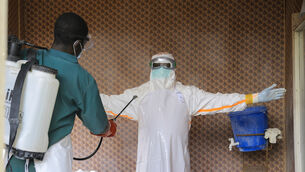
Anyone symptomatic on the ship and those caring for patients are wearing full personal protective equipment, with extra supplies having been brought on to the boat, Van Kerkhove stated.

Disinfection was taking place on the ship. The WHO said it had been told there were no rats on board.

While the WHO said the ship would be headed to the Canary Islands, Spain's health ministry said it had made no decision yet on receiving it. "Depending on the epidemiological data collected from the ship during ​its passage through Cape Verde, a decision will ​be made as to which port of ⁠call is most appropriate," it said.

Voyage started in Southern Argentina

Around 150 people are stuck on the Hondius, which was carrying mostly British, American and Spanish passengers on a luxury cruise that set off from the southern tip of Argentina in late March. The cruise visited the ​Antarctic peninsula and South Georgia and Tristan da Cunha - some of the remotest islands on the planet.

The voyage was marketed as an ​Antarctic nature expedition, with berth ⁠prices ranging from €14,000 to €22,000.

The first stricken passenger, the Dutch man, died on April 11. His body remained on board until April 24, when it "was disembarked on St Helena, with his wife accompanying the repatriation", Oceanwide Expeditions said.

His wife, who had gastrointestinal symptoms when she was disembarked, later deteriorated during a flight to Johannesburg. She died upon arrival at the emergency department ⁠on April ​26, the WHO said, adding that contact tracing was under way for passengers on that flight.

South African authorities ​have confirmed that the British patient, who is being treated in a Johannesburg hospital, tested positive for the hantavirus. The Netherlands has confirmed the virus in the Dutch woman who died.

 - Reuters

x

More in this section

Cookie Policy Privacy Policy Brand Safety FAQ Help Contact Us Terms and Conditions

© Examiner Echo Group Limited