Surprising foods to avoid in the battle against high cholesterol — and which ones to eat
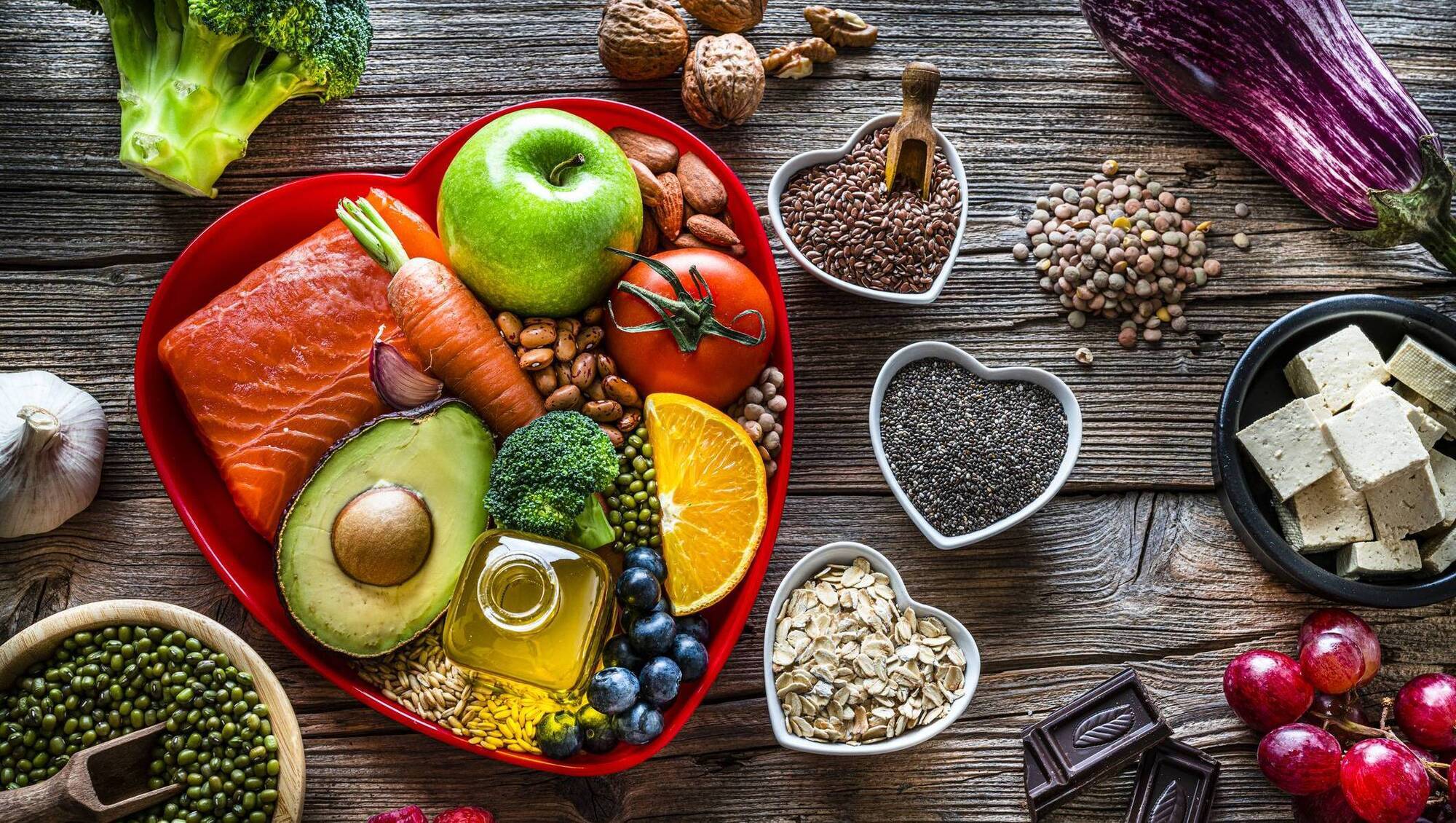
Cholesterol is carried in your blood by proteins, and there are two main types. High-density lipoprotein, or HDL and non-HDL cholesterol. Pictture: iStock
According to the Irish Heart Foundation, high cholesterol is a major contributor to heart disease. It is responsible for around 29% of all deaths in Ireland. Conservative estimates suggest that around one quarter of people are living with high cholesterol, although the true figure could be higher.
Cholesterol is carried in your blood by proteins, and there are two main types. High-density lipoprotein, or HDL, is the so-called “good” cholesterol, which acts as a scavenger and helps remove excess cholesterol. Then there’s non-HDL (“bad”) cholesterol, which if allowed to build up inside the walls of blood vessels, can lead to the narrowing of the arteries. When this happens, blood flow to the heart and brain can become restricted and heart disease is diagnosed.
The usual combination of a healthy diet and exercise is the best weapon for waging war on cholesterol levels.
But many people remain confused about what will and won’t affect blood fats. Are eggs in or out? Is coconut oil on or off the menu?
Here are some of the more surprising foods to choose and to avoid:
Oats and barley
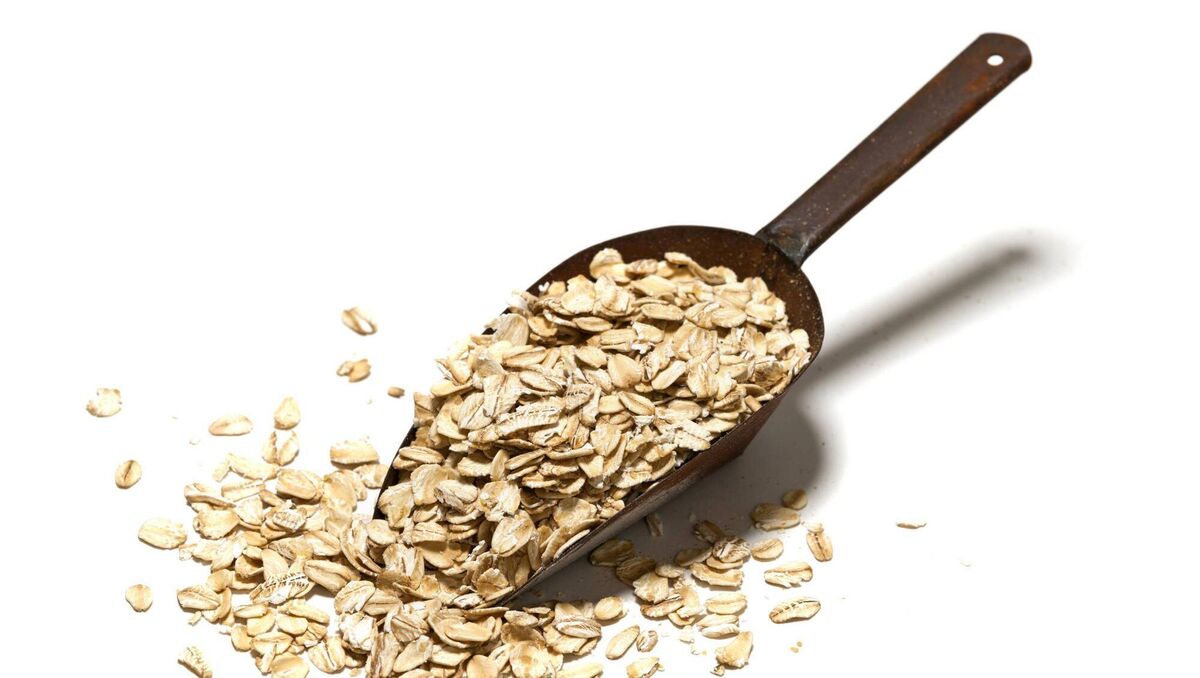
Have porridge or overnight oats for breakfast, and add a handful of barley to soups and stews for a protective effect.
In 2023, a review of 28 published studies confirmed that a daily intake of around 3g of oat beta-glucans substantially lowers both total and LDL (“bad”) cholesterol levels.
One study involved midlifers who ate 3.5g of beta-glucan daily from oat products for 12 weeks, and they saw their “bad” cholesterol drop by 4.2%.
A 40g serving of porridge oats provides 2g of beta-glucan, a 250ml glass of oat milk provides 1g of beta-glucan, and three unsalted oatcakes provide around 1g of beta-glucan.
Chickpeas
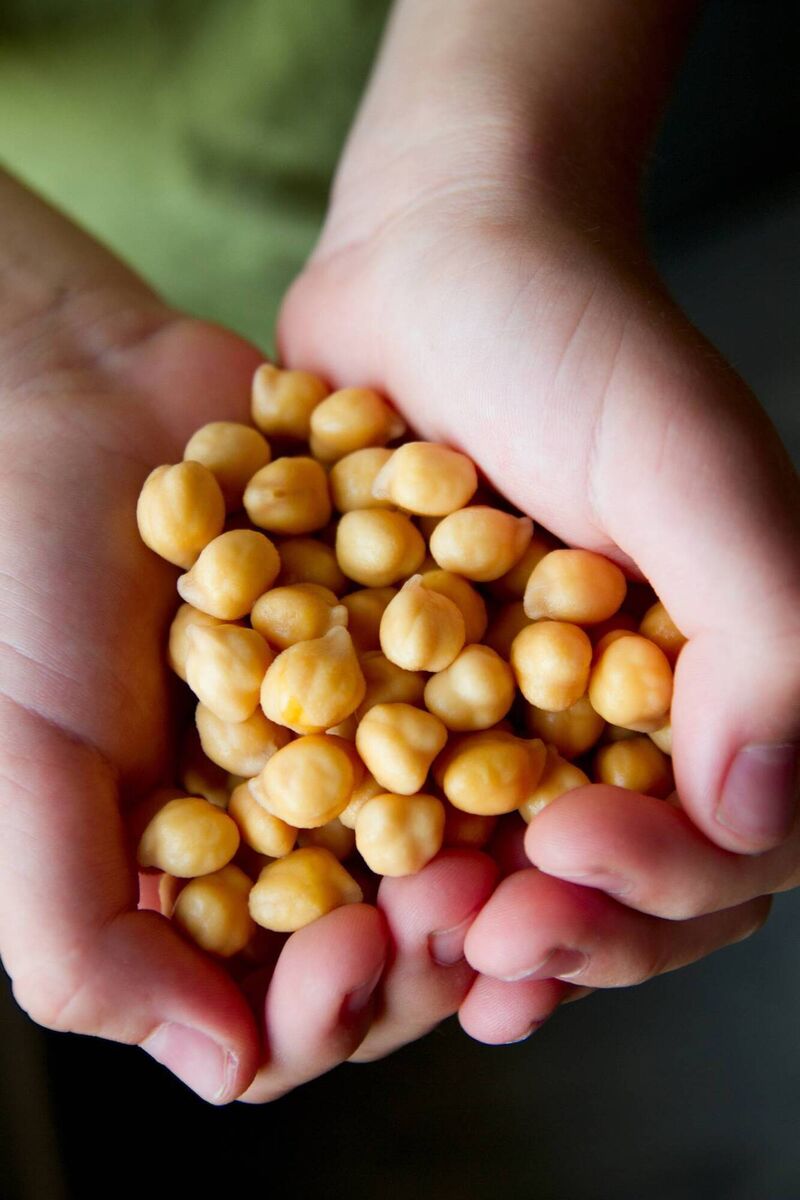
All pulses are great sources of protein and heart-healthy soluble fibre, but chickpeas may reign supreme, according to a recent study presented at the American Society for Nutrition’s Nutrition 2025 conference.
Morganne M Smith, a researcher at Illinois Institute of Technology, looked at the impact of consuming a daily portion of either canned chickpeas or black beans on 72 adults with prediabetes.
Participants who ate their normal diet, with the addition of one of the prescribed pulses, had blood tests to track cholesterol changes throughout the 12-week study. Results showed that, while both are “rich in dietary fibre, plant-based protein and bioactive compounds”, it was only the chickpeas that were linked to a healthy and significant drop in cholesterol.
Walnuts
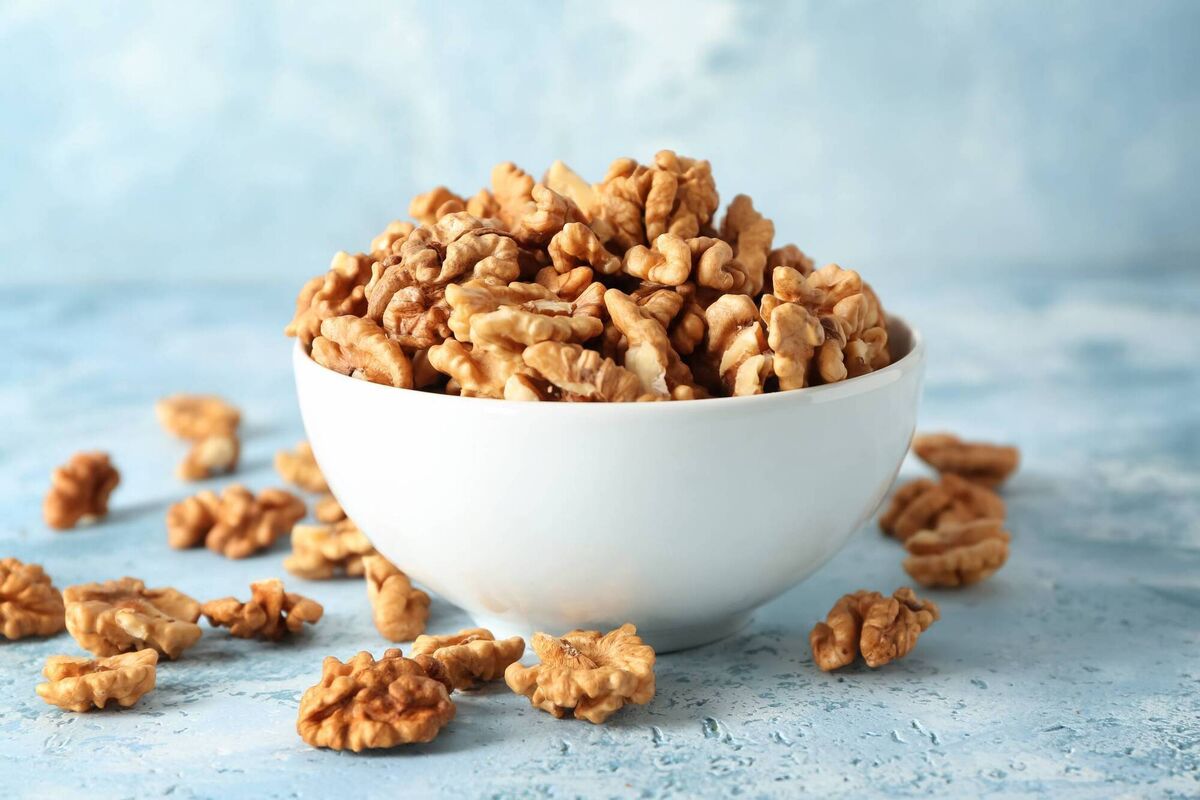
Make sure walnuts are included, as scientists have honed in on their cholesterol-lowering effects. One study of healthy people in their 60s and 70s, published in , asked half of the participants to add a small handful of walnuts to their daily diet.
After two years, cholesterol tests revealed that the walnuts helped to reduce the number of total “bad” cholesterol particles by 4.3% and lower total cholesterol readings.
Cumin and other seeds
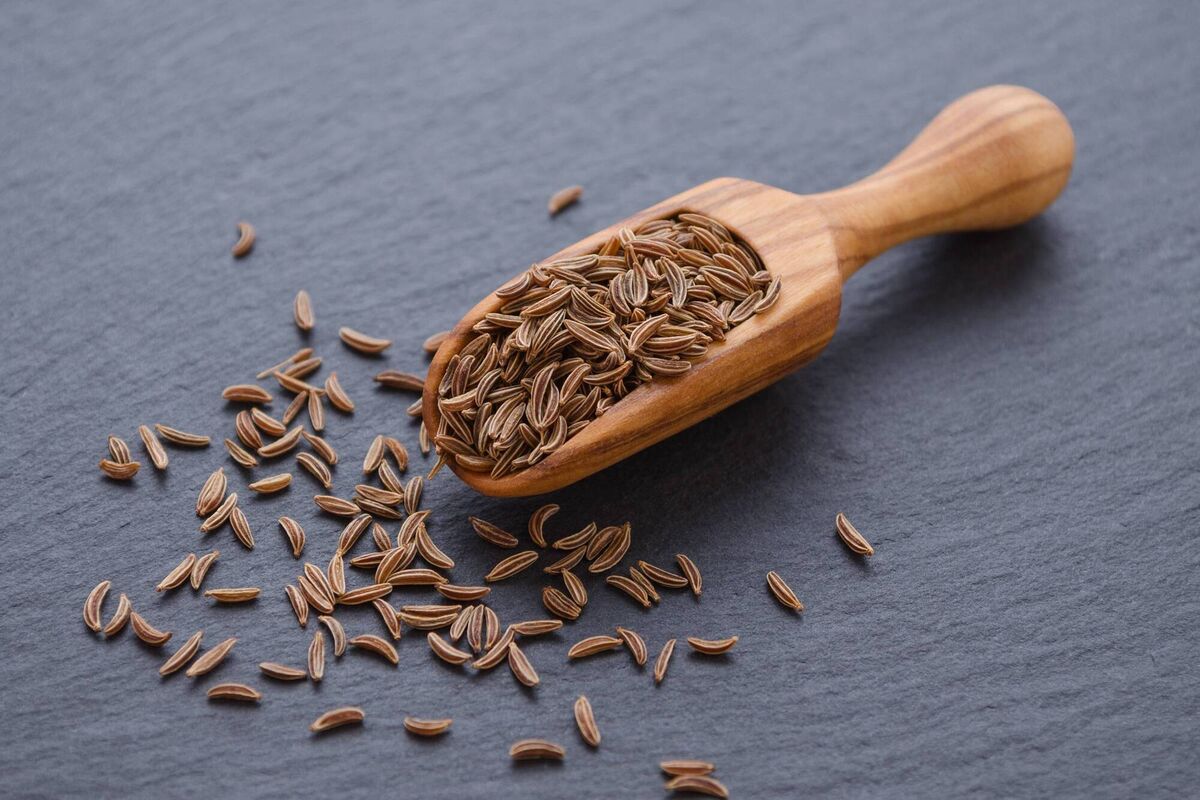
Black cumin seeds, used to enhance the flavour of curries, have long been used in traditional medicine for their health boosting effects, and a study in the journal suggests they also contribute to cholesterol lowering.
Researchers at Osaka Metropolitan University reported that people in their study who consumed 5g of black cumin seed powder daily for eight weeks had significantly lower levels of “bad” non-HDL and total cholesterol with higher levels of the “good” HDL cholesterol.
“When it comes to other seeds, a few stand out for their heart health benefits: Flaxseeds, sunflower seeds and sesame seeds,” says Aoife Quinn, a nutritionist with Orla Walsh Nutrition.
“Flaxseeds are also the richest source of a particular compound called lignan with strong cholesterol-lowering effects.”
Coconut oil
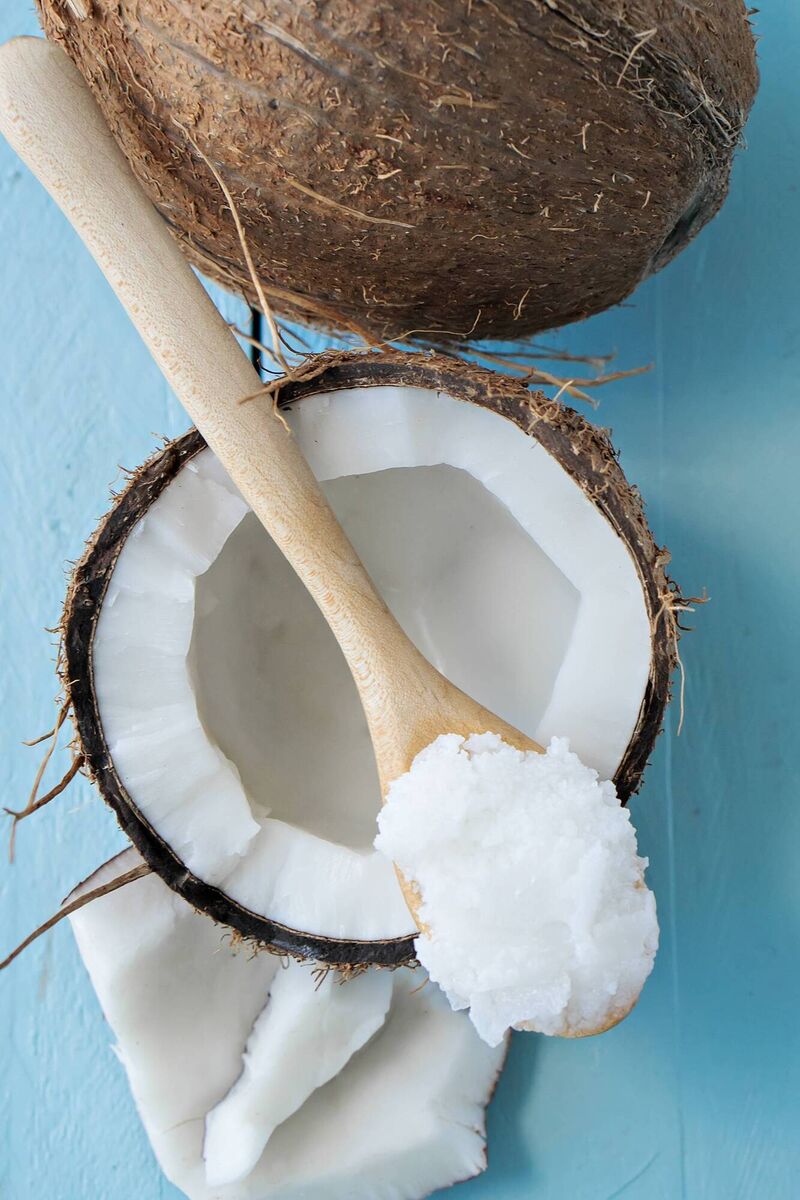
After a few years of appearing on everyone’s shopping lists due to its purported health benefits, coconut oil is back on the naughty list for heart health.
Yes, it contains medium-chain triglycerides (MCTs) — which have a different chemical structure from other fats and are thought to promote satiety and, in turn, prevent the storage of body and belly fat. However, those same MCTs are a form of saturated fat, the type linked in many studies to increased “bad” cholesterol, a risk factor for heart disease.
“Although coconut oil was the ‘trendy’ thing for a while, it is one we often advise to use only sparingly or less often,” says Quinn.
“This is due to its 86% saturated fat content, which is higher than butter.”
One scientific review published in Circulation found that regular “consumption of coconut oil results in significantly higher LDL cholesterol” than other plant oils.
Artisanal charcuterie
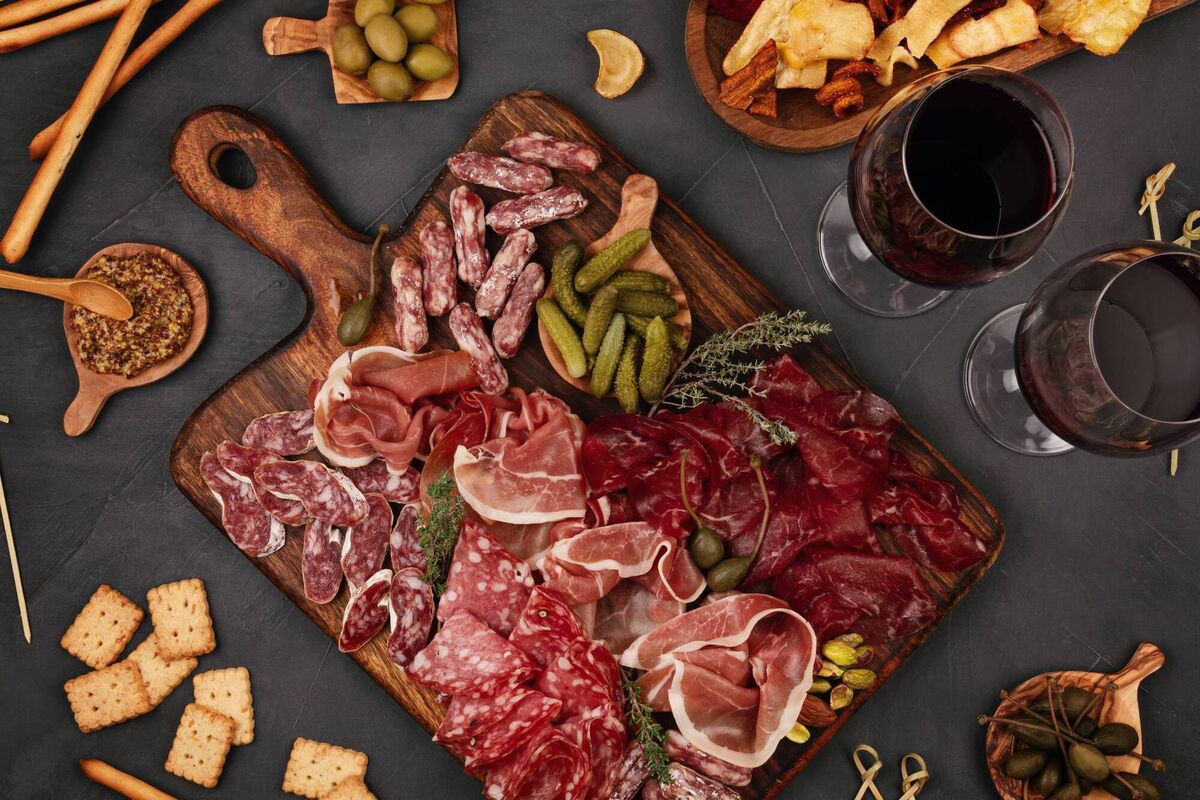
Just because your salami, chorizo, and air-dried hams are high-end and infused with cider, figs, and fragrant pink peppercorns, they are not any more favourable for your cholesterol than bog-standard processed meat.
A study by researchers at the University of Oxford’s Nuffield department of population health showed that every 50g of processed meat consumed daily increased the risk of coronary heart disease by 18%, largely because of the saturated fat and sodium it contains.
The HSE recommends limiting red and processed meat intake to no more than 500g a week.
Unfiltered coffee
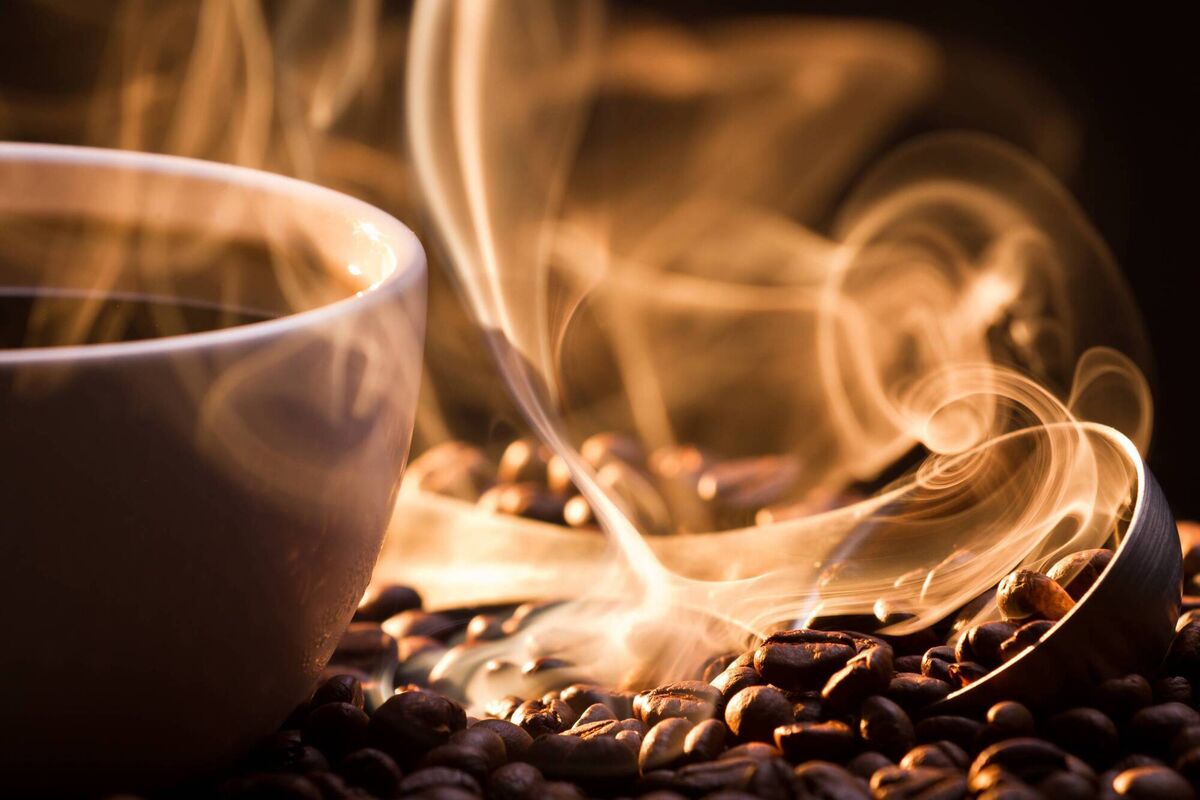
How you drink your coffee makes a difference to the effect it has on cholesterol levels.
Two chemicals present in coffee beans — cafestol and kahweol — have been shown to raise levels of bad cholesterol in the blood.
However, these are removed from any coffee that has been filtered — including teabag-style coffee bags and pods with a paper filter lining.
Espresso, boiled Moka pot and cafetiere, or plunger coffee were all shown to produced increases in blood cholesterol levels when compared with filtered coffee in a study in .

Alcohol is broken down in the body and rebuilt into triglycerides and cholesterol in the liver, which then raises cholesterol levels.
Although red wine contains antioxidants such as ding resveratrol, you are better off consuming these compounds from fruit and vegetables. The World Heart Federation says that no alcohol, red wine included, is good for the heart.
“Although alcohol intake may not be strongly linked with cholesterol directly, what we do know is that alcohol increases triglycerides, as well as blood pressure, and so the risk of heart problems, stroke, and cancer,” says Quinn.
Eggs
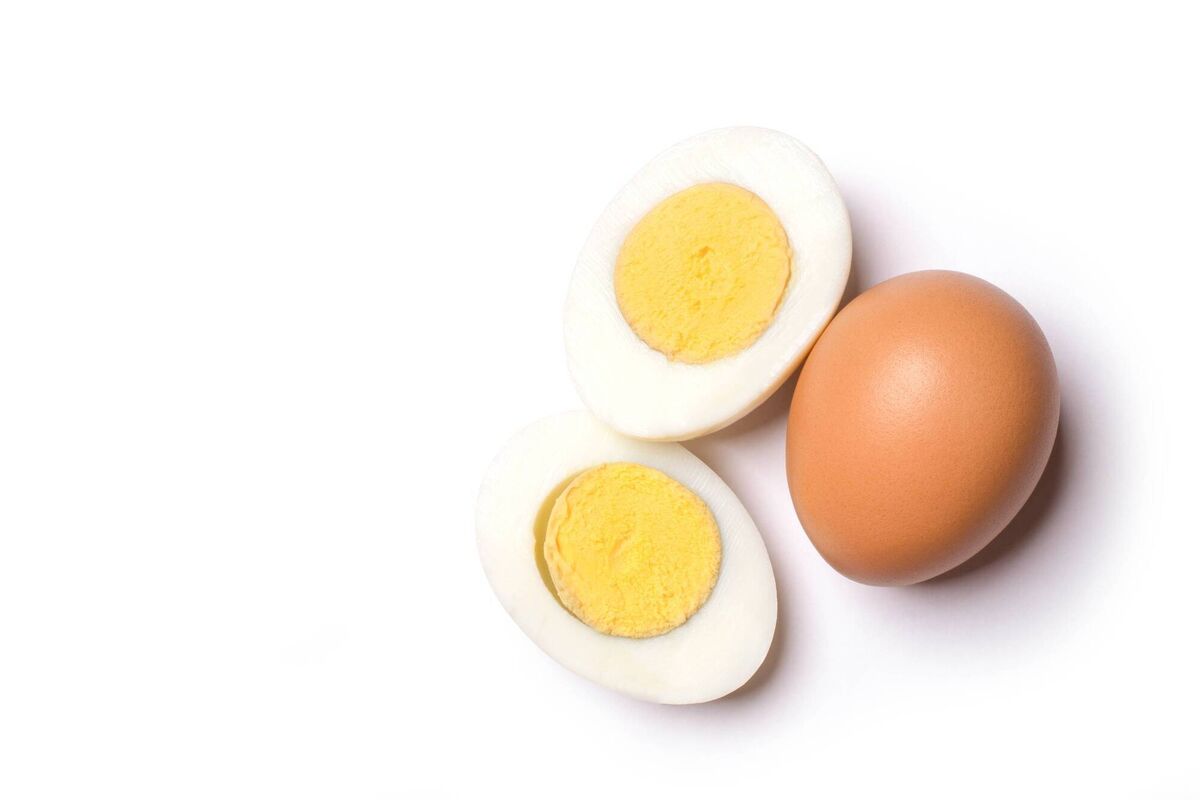
Long seen as a cholesterol culprit, eggs are now off the hook.
A single yolk does contain as much as 186mg of dietary cholesterol, more than many other commonly consumed foods.
“However, dietary cholesterol intake weakly correlates with blood cholesterol levels,” says Quinn.
“For most people, having one to two eggs per day is perfectly safe.”
A 2025 study from the University of South Australia suggested that eating up to two eggs a day could lower your levels of bad cholesterol when compared to a breakfast high in saturated fat.
Cheese
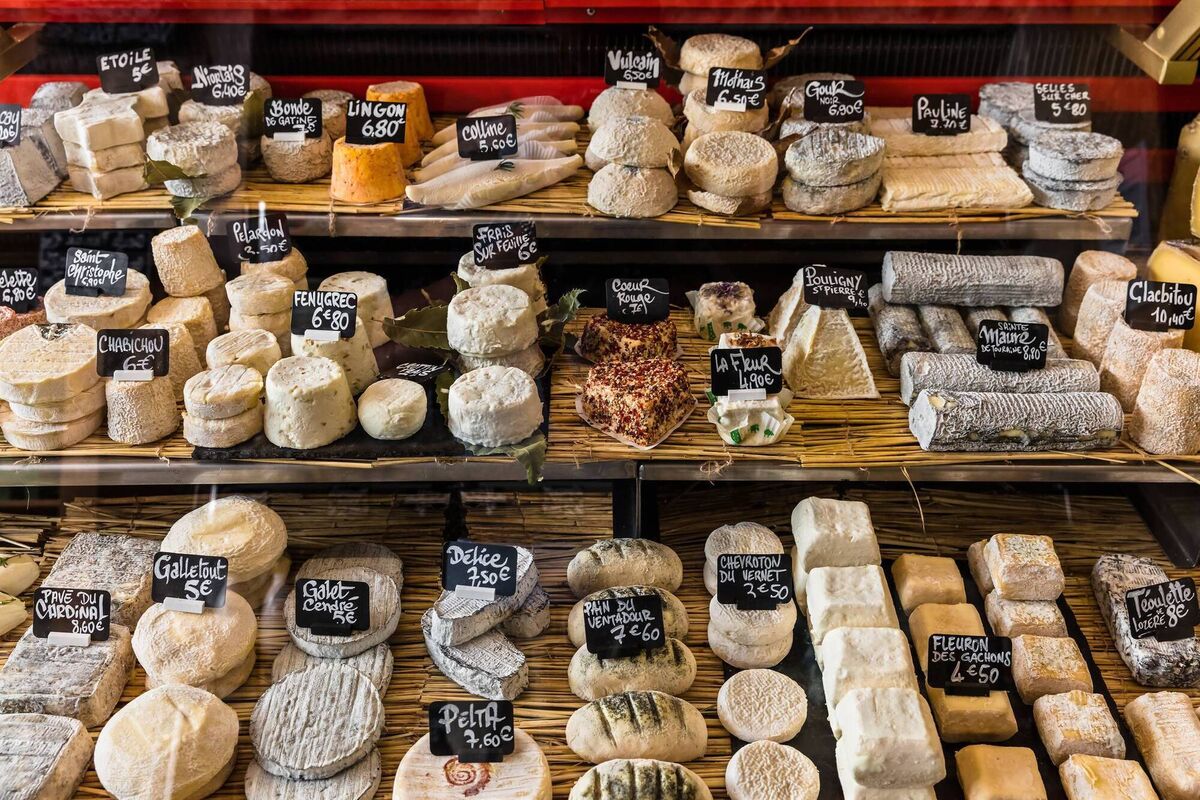
Scientists have discovered that the saturated fat in cheese is not as bad for us as was once thought.
Emma Feeney, an assistant professor of food science at University College Dublin, has published findings in the confirming that the cheese-making process alters the chemical composition of milk, improving blood lipids and cholesterol.
“What we now know is that, as cheese is also rich in other key nutrients such as calcium and protein, these work together to provide a whole food effect or ‘food matrix’,” Quinn says.

CONNECT WITH US TODAY



Be the first to know the latest news and updates