Why does our sleep pattern change as we get older?

As we age, our schedules are more likely to change, and we are more prone to social isolation — just some of the factors that can affect our sleep
Why does our sleep pattern change as we get older?

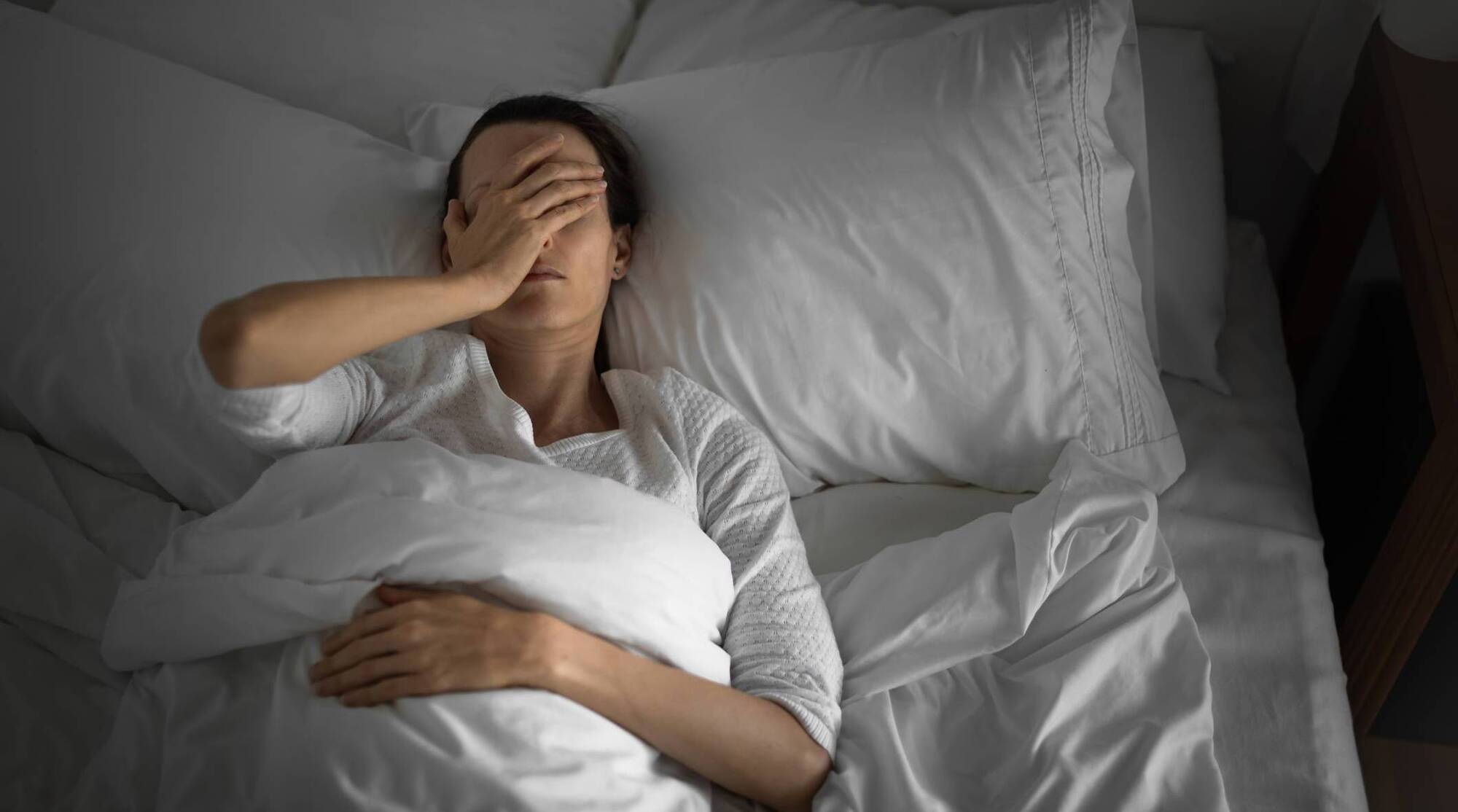
With age, we naturally produce less melatonin, the hormone that regulates our sleep/wake cycle. Picture: iStock

ALTHOUGH our sleep patterns can change as we get older, the amount of sleep we need remains unchanged: Seven to nine hours a night.

However, this target can be difficult to achieve, as shifting sleep patterns — combined with the natural effects of ageing — can hamper sleep quality.

We tend to accept a certain degree of deteriorating sleep as we get older, says Dr Liam Doherty, a consultant respiratory physician at Bons Secours Hospital, Cork: “For older people, poor sleep is often seen as just part of growing old. It is tolerated or normalised when it needn’t be.

“There are things we can do to improve the quality of our sleep, even as we age.”

Insomnia — where people have trouble falling asleep, staying asleep, or waking too early — becomes more common in people over the age of 65. It affects as many as 40% of that age group, say Doherty. 

This can happen for several reasons, including hormone changes, psychological issues including social isolation, and the impact of medication — but there are ways to manage it.

“The biggest problem with insomnia is worrying about insomnia,” he says. “We see that people are putting sleep on a pedestal, so we encourage them to accept the occasional bad night instead of panicking about it. Notice those catastrophic thoughts and challenge them.”

REM and non-REM sleep

In the cases of persistent or chronic insomnia, he says cognitive behavioural therapy can help, but it’s important to work with a sleep specialist.

It also helps to understand that sleep patterns will change as you get older, says health scientist and sleep coach Tom Coleman.

“The first thing that happens as people age is that their sleep architecture changes,” he says. “A typical sleep pattern, or architecture, will have four or five recurring cycles each night, alternating between non-REM and REM sleep.

“Once you hit your 40s, this sleep architecture will start to change. Your brain becomes less efficient at generating the slow waves that characterise deep sleep. As a result, we experience less deep sleep.”

Deep sleep is where all the physical restoration happens, but light sleep is just as important for health, says Coleman: “Light sleep is where all the cognitive restoration, the emotional restoration, the brain cleaning happens. Don’t undervalue light sleep, it is good for your brain.”

However, if you spend most of your night in light sleep, your sleep can be more easily disturbed.

“Noises or light are more likely to wake you up, but there are ways to control these things: Blackout blinds or eye masks will help, as will earplugs,” says Coleman. 

“With age, people may wake more often to use the toilet, but the good news is that it tends to happen at the end of a sleep cycle, and people can train themselves to go back to sleep very quickly.”

Fluctuating hormones

Another trait of ageing is fluctuating hormone levels, explains Doherty: “For women of menopause age, oestrogen levels dip, causing symptoms that can disrupt sleep, and women will also be more likely to experience sleep apnoea at this age.

"[Hormone replacement therapy] can help to align the hormones and ease that sleep disruption, and we also have more ways now to treat sleep apnoea, which typically occurs because of weight gain.”

Common sleep apnoea treatments include Continuous Positive Area Pressure (CPAP) therapy, oral devices to keep the airways open, and lifestyle changes.

In women, declining progesterone, a hormone that plays a key role in relaxation, can also affect sleep, says Coleman: “When it drops during menopause, this can make it harder to get to sleep and stay asleep.”

As we age, we naturally produce less melatonin, which regulates the sleep-wake cycle — the circadian rhythm. This means some can find it more difficult to fall asleep — they may wake earlier, or they may wake more frequently during the night."

Rising cortisol levels, another by-product of ageing, can also affect our sleep. 

Cortisol is most closely associated with stress, and as levels rise, you enter a heightened state of alertness. This can make it more difficult to fall asleep, explains Coleman, and can also cause fragmented sleep.

Our bodies and our sleep thrive on routine, he adds: “When we’re working, our day is very structured. We know what we’re doing, when we’re doing it, and that’s what the brain likes.

“People retire, which can lead to less social engagement. Maybe there’s more responsibility with family, which can cause a rise in anxiety. If someone is bereaved, there can be an increase in loneliness. All of those will feed into your sleep routine.”

Social isolation

In fact, loneliness and social isolation can significantly impact sleep and tend to become more common as you age. 

In Ireland, one in four people aged over 65 lives alone. 

People who live alone can become less aware of set schedules, social cues, and Zeitgebers — environmental cues that influence our circadian rhythm — prompting them to avoid exercise, nap excessively during the day, eat at different times, and go to bed at different times.

Without structure, their night-time sleep will likely suffer. Research suggests that reports of insomnia and drowsiness were higher in older adults who felt socially isolated.

Doherty says: “Our sleep patterns tend to get a bit scatty as we age and our routines change. You might be tired in the morning, so you compensate during the day and take a nap, and naps are fine, in moderation, but it’s good not to take prolonged naps.”

Naps of between 20-30 minutes, anecdotally called Goldilocks naps because they’re neither too short nor too long, can be beneficial to older people, he says.

“We also need to be careful not to take a nap too close to bedtime — much like you wouldn’t have a large snack just before dinner. This will upset your ability to get to sleep.”

Tiny habits count when it comes to sleep, says Coleman. Getting outside, getting some exercise in, and maintaining social connections will aid in better sleep. “There’s a huge amount we can do protect our health and our sleep."

x

More in this section

Lifestyle

Newsletter

The best food, health, entertainment and lifestyle content from the Irish Examiner, direct to your inbox.

Cookie Policy Privacy Policy Brand Safety FAQ Help Contact Us Terms and Conditions

© Examiner Echo Group Limited