Workplace Wellbeing: Weighing the ups and downs of the side hustle shuffle  
Earning extra money a strong motivation for taking on additional work but before rushing in, first consider the stress it can generate 
Workplace Wellbeing: Weighing the ups and downs of the side hustle shuffle  

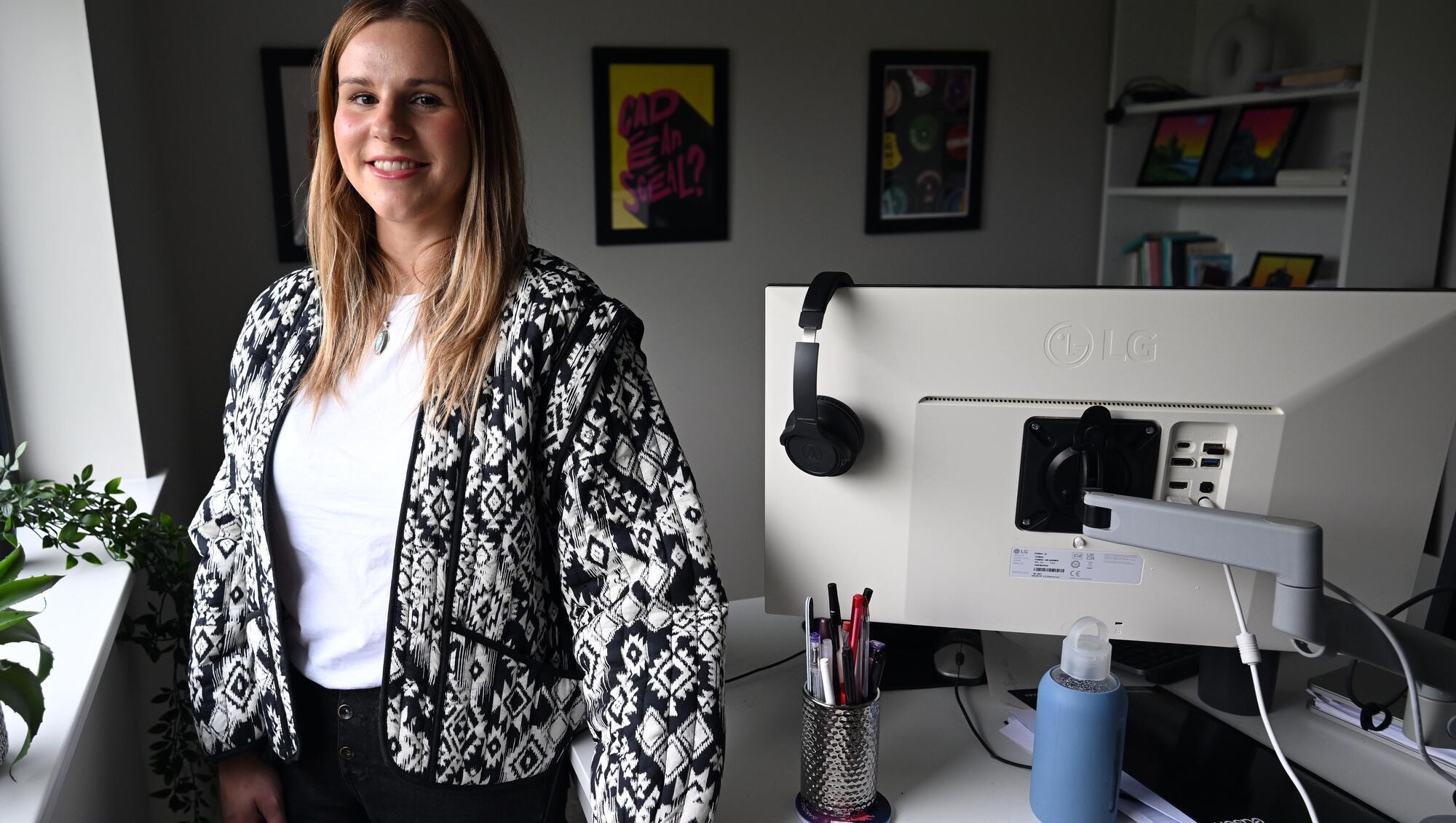
Sandra Madden, who lives near Gort, talks about taking on a second job. Photo: Ray Ryan
Some call it a side hustle. Others refer to it as a plan B or nixer. But for 35-year-old Sandra Madden, a support manager with an e-commerce company, it’s all about spreading the word about under-desk treadmills.

As a remote worker with a sedentary job, Madden’s history of back pain isn’t surprising. But her life changed when she decided to get an under-desk treadmill in January 2023. “It’s been a huge help,” she says. “It brought more movement into my day. My back improved and I even lost weight.”

She was so impressed by the results she thought others might be interested too. In July this year, she set up www.the925fit.com and now sells under-desk treadmills online.“I spend two hours most evenings after work and a few hours over the weekend on my business and I’m already getting great feedback from people all over Ireland,” she says.

Gabe Bourke is a 55-year-old from Galway city who has been double-jobbing since 2014. He combines his main occupation as an e-commerce specialist with a part-time position as an IT tutor at the University of Galway.

He believes the jobs complement each other. “I get to pass the new ideas I learn with and from my students onto my team and clients at work, and I also get to provide my students with real-life examples of how theory works in practice in a work environment,” he says.

Madden and Bourke represent a growing trend in Ireland. According to a working paper published by the Department of Enterprise, Trade and Employment in June 2023, some 80,000 people aged between 15 and 64 had multiple forms of employment at the end of 2022. So did another 4,000 over the age of 64. That’s a significant increase from 20 years earlier, when only 30,000 people took on more than one job.

Financial goals

Increasing income is a driving factor for most people who take on additional work to supplement income or help make ends meet.

Bourke has a clear financial goal in mind. “My partner and I are saving to build a house and my part-time job allows me to set aside money for that.”

Other people take on a side hustle because it allows them to develop new skills. Their day job pays the bills, while their part-time job helps them to fulfil their potential.

“I’ve always had an entrepreneurial spirit, and I didn’t know how to pursue it until I discovered under-desk treadmills,” says Madden. “I get so much energy and motivation from pursuing my passion and letting others know how much of a difference these treadmills can make.”

Work and organisational psychologist Leisha Redmond McGrath says those who want to become self-employed are another group also likely to work two jobs, at least while they test the viability of their new venture.

“They are likely to need the financial stability of their day job while investing in their start-up and making sure that it can sustain them financially,” she says. “They will probably work two jobs before making the leap and pursuing their business full-time.”

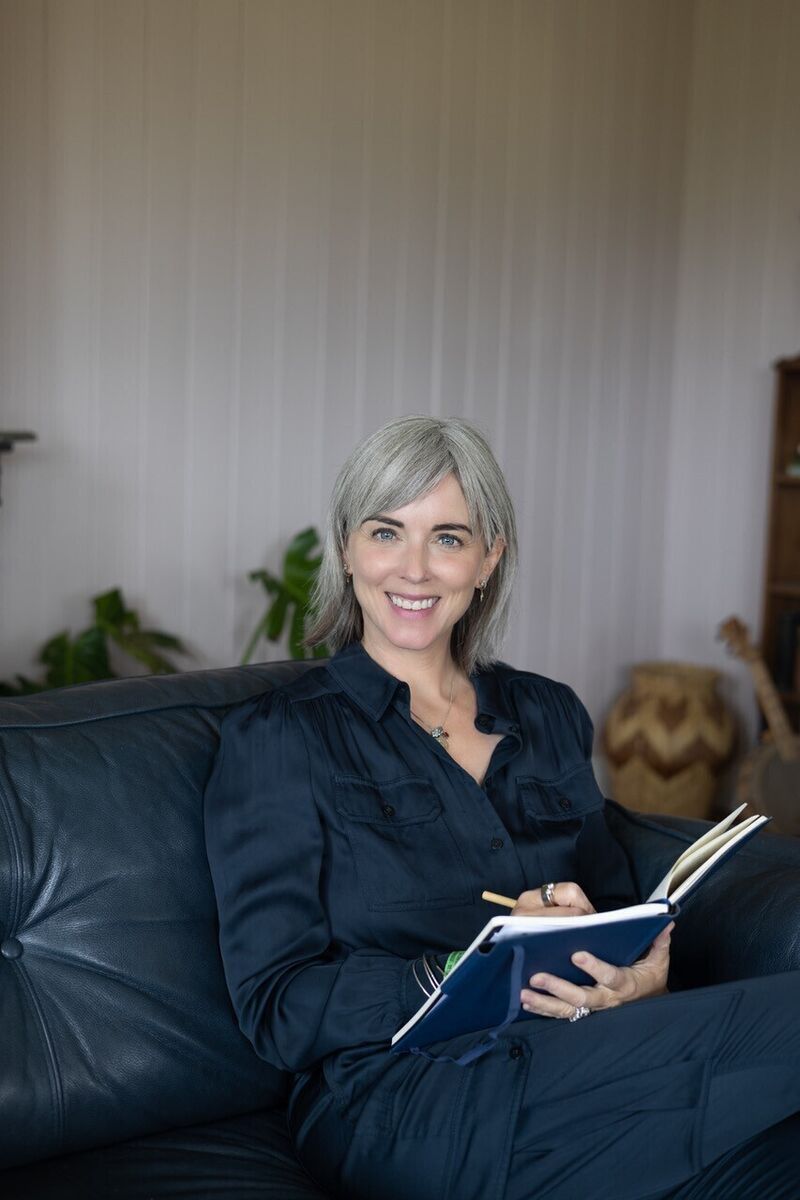
Work and organisational psychologist Leisha Redmond McGrath

The working paper published by the Department of Enterprise, Trade and Employment found other possible reasons people opted to work multiple jobs. These included feeling insecure about their primary position and wanting to pursue passion projects.

Redmond McGrath says we shouldn’t underestimate the continuing impact of the pandemic, adding the period of uncertainty caused many to question their lives.

“They asked themselves what they were doing and why,” she says. “In response, many realised that the time had come to pursue passion projects or to dip their toe into an area that excited them. The shift in perspective forced by the pandemic gave them the push they needed to seek out something that gave them a greater sense of meaning.”

She believes the move to remote working also played a part. Not having to commute has given people more time and flexibility, which they can use to take on additional work.

Potential pitfalls

While people may have good reasons for taking on this additional work, there are potential pitfalls to consider when they do so.

Wendy Doyle, a solicitor specialising in employment law, points out that there may be legal implications.

“The EU Transparent and Predictable Working Conditions Regulations came into effect in 2022 and stipulate that an employer can’t prevent an employee from taking up employment outside of their work schedule unless there are objectively justifiable reasons such as health and safety grounds,” she says. “These are usually covered in your contract of employment, so my advice would be for everyone to look at their contract before they take on extra work.”

That contract might prohibit employees from engaging in other employment for confidentiality reasons, for example. “If you ended up working for a competitor, that could certainly lead to difficulties and breach of contract,” says Doyle. “But if there are no such clauses in your contract and if you devote your full time and attention to your employer during your prescribed working hours, then there should be no legal barriers to taking on extra work outside of those working hours.”

How to manage taxes is a concern for some double jobbers but Doyle reassures them that Revenue provides straightforward guidance on how to declare supplementary income at revenue.ie.

Redmond McGrath’s biggest concern is that people with multiple jobs will become overworked and burn out. “We’re not machines, we all need downtime,” she says. “If we don’t get it, our health and wellbeing will nosedive. The quality of our work will suffer too as we’ll be less able to focus. As humans, we’re designed to take short bursts of higher than average workloads but if we overdo it for too long, we run into trouble.”

For those who have no option but to work several jobs, she advises prioritising the pillars of health: sleep, rest, nutrition, exercise, and maintaining a relationship with yourself, with others and with the world around you. “If you’re taking on extra work, you need to nourish your health all the more,” she says.

It’s also worth reaching out for support.

“If you’re trying to set up a business while still working at your day job, it might also mean asking your employer if you could work four days instead of five and you could devote that fifth day to your new business instead of working all hours,” says Redmond McGrath. “If you’re feeling physically or mentally overwhelmed, it should mean talking to your GP.”

Bourke’s preferred method of finding work-life balance is through exercise. “Running in nature is great for me as I spend so much time working indoors,” he says.

Along with walking on her treadmill, Madden’s tactic is to draw on available supports. “I’m working a lot at the moment because my business is still so new but I’ve got lots of help,” she says.“My partner David lends a hand when he can and I’ve received fantastic guidance from the Local Enterprise Office. I’d urge anyone who wants to set up a business to avail of resources like theirs. There is no need to go it alone.”

More in this section

Lifestyle

Newsletter

The best food, health, entertainment and lifestyle content from the Irish Examiner, direct to your inbox.

Cookie Policy Privacy Policy Brand Safety FAQ Help Contact Us Terms and Conditions

© Examiner Echo Group Limited