Not enough evidence to confirm if shingles vaccination reduces risk of dementia, says Hiqa
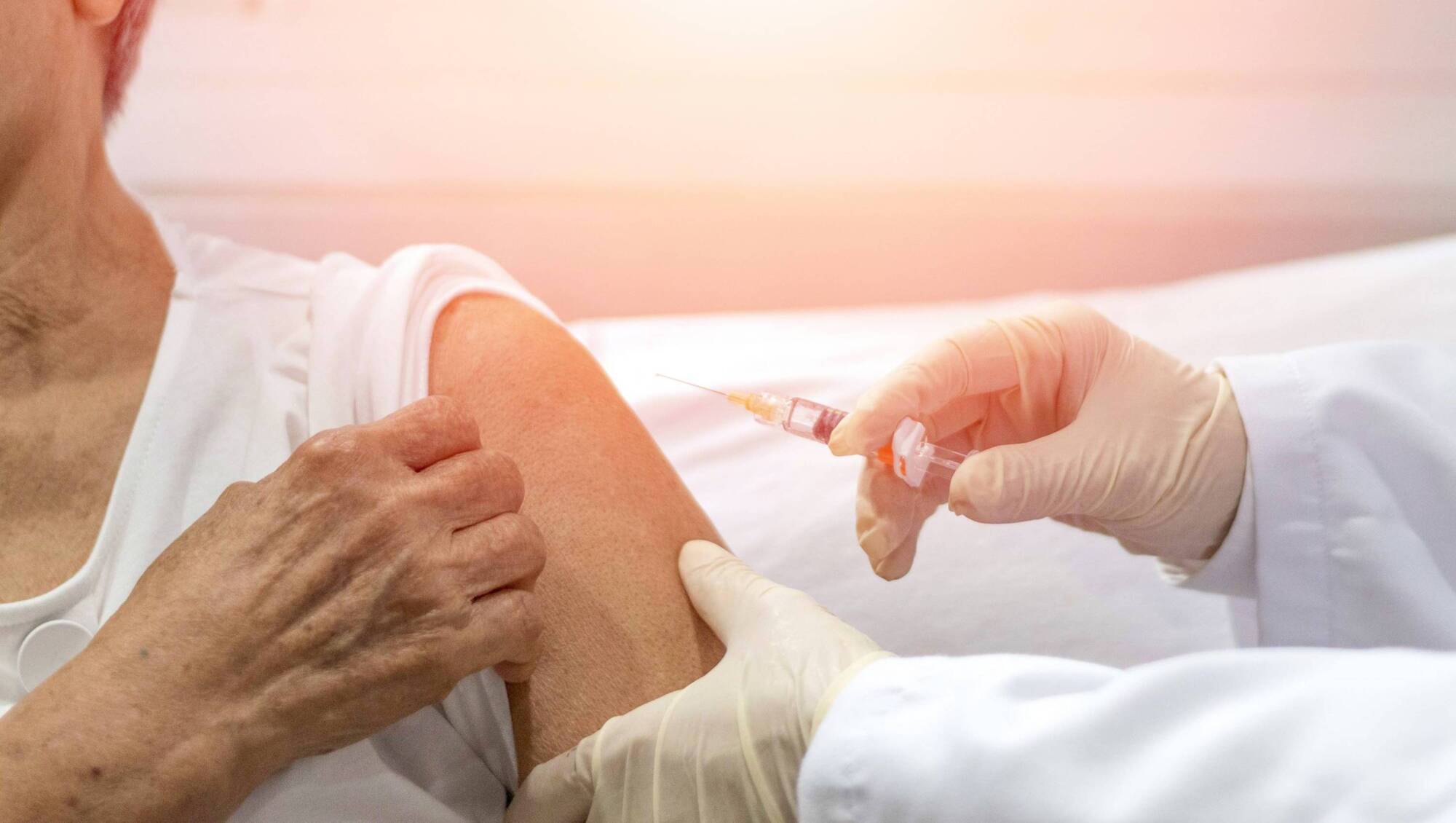
Hiqa looked at three areas including the link between shingles and dementia, between the vaccine and dementia, as well as between adult vaccination generally and dementia. File picture
The Health Information and Technology Authority (Hiqa) has said the evidence is not strong enough to say the shingles vaccine by itself directly reduces the risk of dementia, though the risk may be lower in people who had the vaccine.
Hiqa examined the impact of the shingles vaccine on dementia after evidence emerged globally suggesting it could reduce the risk.
There have been calls from Irish doctors and healthcare experts for a public vaccination campaign for older people. A vaccine is available in Irish pharmacies but at a cost of around €480.
Shingles is an infection that causes a painful rash. It is caused by the chickenpox (varicella zoster) virus.
Hiqa looked at three areas including the link between shingles and dementia, between the vaccine and dementia, as well as between adult vaccination generally and dementia.
It found some studies reported getting shingles increases the risk of dementia but others reported no clear links.
Some studies reported a lower incidence of dementia in people with a history of shingles vaccination or in groups who were eligible for vaccination compared with people who were not.
However Hiqa said: “While these studies can show an association, they cannot prove that shingles vaccination reduces dementia risk.”
It also found while some reviews showed other adult vaccines including against the flu are linked with a lower risk of dementia they cannot show the vaccine alone led to this.
It concluded by saying: “It is not possible to determine whether shingles vaccination by itself directly reduces the risk of dementia.”
It noted the available studies looked at association not causation.
Some other factors such as people who are vaccinated tending to have healthier lifestyles or lower levels of other risks could also explain lower levels of dementia.
Hiqa chief scientist Dr Conor Teljeur described dementia as “a major public health challenge”, saying even small reductions in risk could be meaningful for people.
“Recent studies report a protective association between vaccination and dementia,” he said.
However, he added: “We need to understand the magnitude of any benefit of the shingles vaccine and the extent to which it applies independent of other vaccinations, such as for flu.”
Hiqa previously carried out a health technology assessment of the shingles vaccine for potential public funding. It found it is safe and effective but that the benefit decreases over time.
It advised in 2024 at the current price this vaccine is “not an efficient use of HSE resources”.
Theories around how vaccines reduce the risk of dementia include by preventing infections and connected neuroinflammation, Hiqa said.
“Vaccines that reduce infection burden may help preserve vascular health and lower dementia burden indirectly,” it said.
Around one in three people are expected to get shingles in Ireland during their lifetime. The risk increases with age.
People typically get a painful, blistering rash and it can lead to complications such as post herpetic neuralgia.
CONNECT WITH US TODAY



Be the first to know the latest news and updates