Women much more likely to report poor physical and mental health than men, survey shows
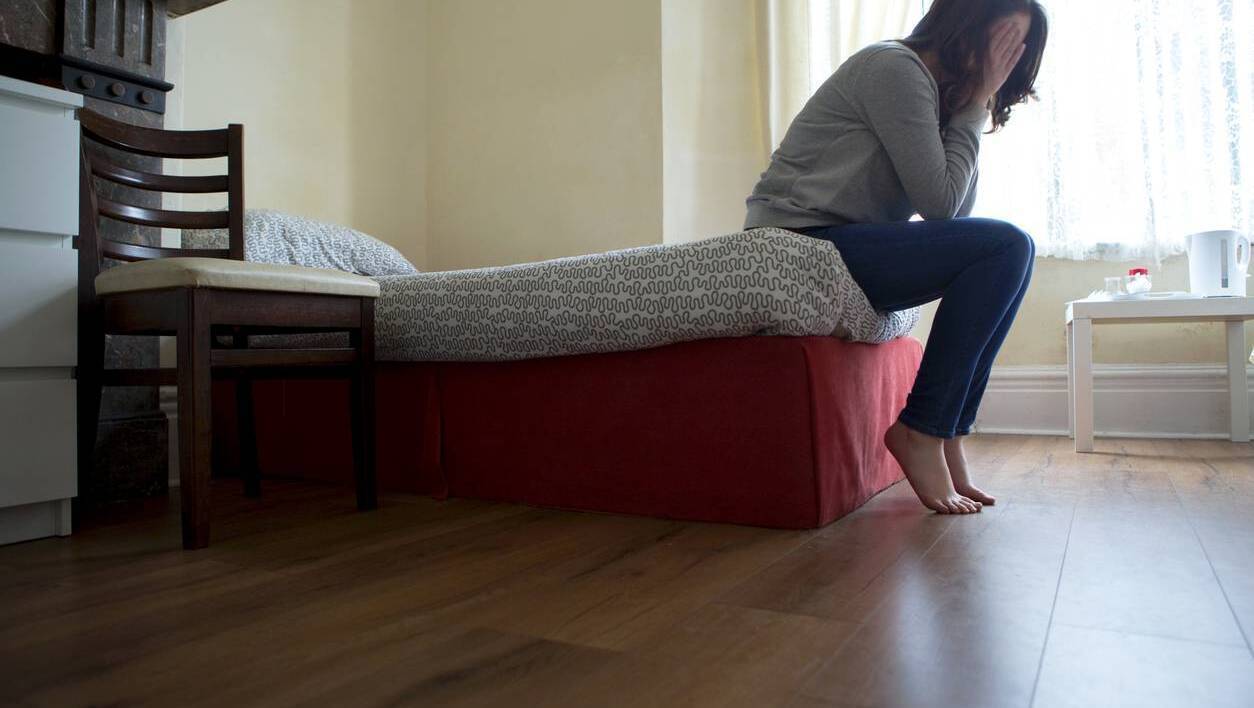
Women were more likely than men to have reported depression, with 15.4% of women aged 35-44 saying they had had depression over the previous 12 months compared with 13% of men.
Young Irish women are three times as likely to report having poor health compared with men from the same demographic, new figures have revealed.
The latest edition of the Irish Health Survey, published by the Central Statistics Office, shows 4.4% of teenagers and women surveyed, aged between 15 and 24, had a self-perception of "bad" or "very bad" health, compared with just 1.4% of men in the same age bracket.
In the separate mental health category, meanwhile, 12.8% of women in the same age group again self-reported as having "very bad" emotional wellbeing compared with 8.4% of men.
Almost a third of women (32.5%) aged between 15 and 24 said social media had had a negative impact on their mental health in comparison with 24.9% of men.
Younger people generally spent the most time on social media, with 71% of the youngest cohort saying they spent at least two hours a day on such sites.
More than 10% of respondents reported having been depressed within the previous year.
Across all age groups, women were more likely than men to have reported depression, with the gap most pronounced for those aged younger than 44, particularly the 35-44 demographic, which saw 15.4% of women saying they had had depression over the previous 12 months compared with 13% of men.
Read More
The survey, which was conducted mostly online but occasionally in person with nearly 8,000 respondents between July and December of last year, reported 4.5% of the young women consulted reported having a diagnosis of autism, compared with the 7.7% of men who reported same.
In terms of general wellbeing, 5.4% of people reported having bad or very bad health in 2025, a statistic which was typically higher among older respondents to the survey, with some exceptions.
Among women, the 55-64 cohort were the most likely to report having very poor health, at 7.9%, while for men, the age grouping self-reporting poor general wellbeing was those aged 75 years or older, at 11.2%.
The highest rate of obesity was universally noted among the 55-64 demographic for both men and women, for whom 30.6% and 29.3% of those surveyed reported being classified as such respectively. Overall, one in five people were classified as being obese in 2025.
Alcohol consumption was also at its highest among older respondents, with more than 50% of adults aged between 55 and 64 saying they were likely to drink alcohol at least once a week, a figure that stood at 24.1% for the 15-24 age grouping.
Younger men aged between 35 and 44 were the most likely age grouping to be daily smokers of tobacco, at 24.1% of the cohort, the highest percentage of any age group, with men generally more likely to smoke than their female counterparts. Overall, one in eight people reported themselves as daily smokers in 2025, with 6.9% saying that they vaped daily, with women aged 25 to 34 the most likely to do so.
CSO health statistician Stephen Lee said respondents had been asked more than 100 questions about their health behaviours to assist in the report’s compilation. He said he expected a key outcome of the report to be its “value to health researchers”, with anonymised data to be made available for educational use through the Irish Social Science Data Archive.

CONNECT WITH US TODAY



Be the first to know the latest news and updates