Life Hack: How to care for birds during the summer months

BirdWatch Ireland recently advised people to stop feeding birds over the summer to limit the spread of the disease trichomoniasis. Here's what you need to know
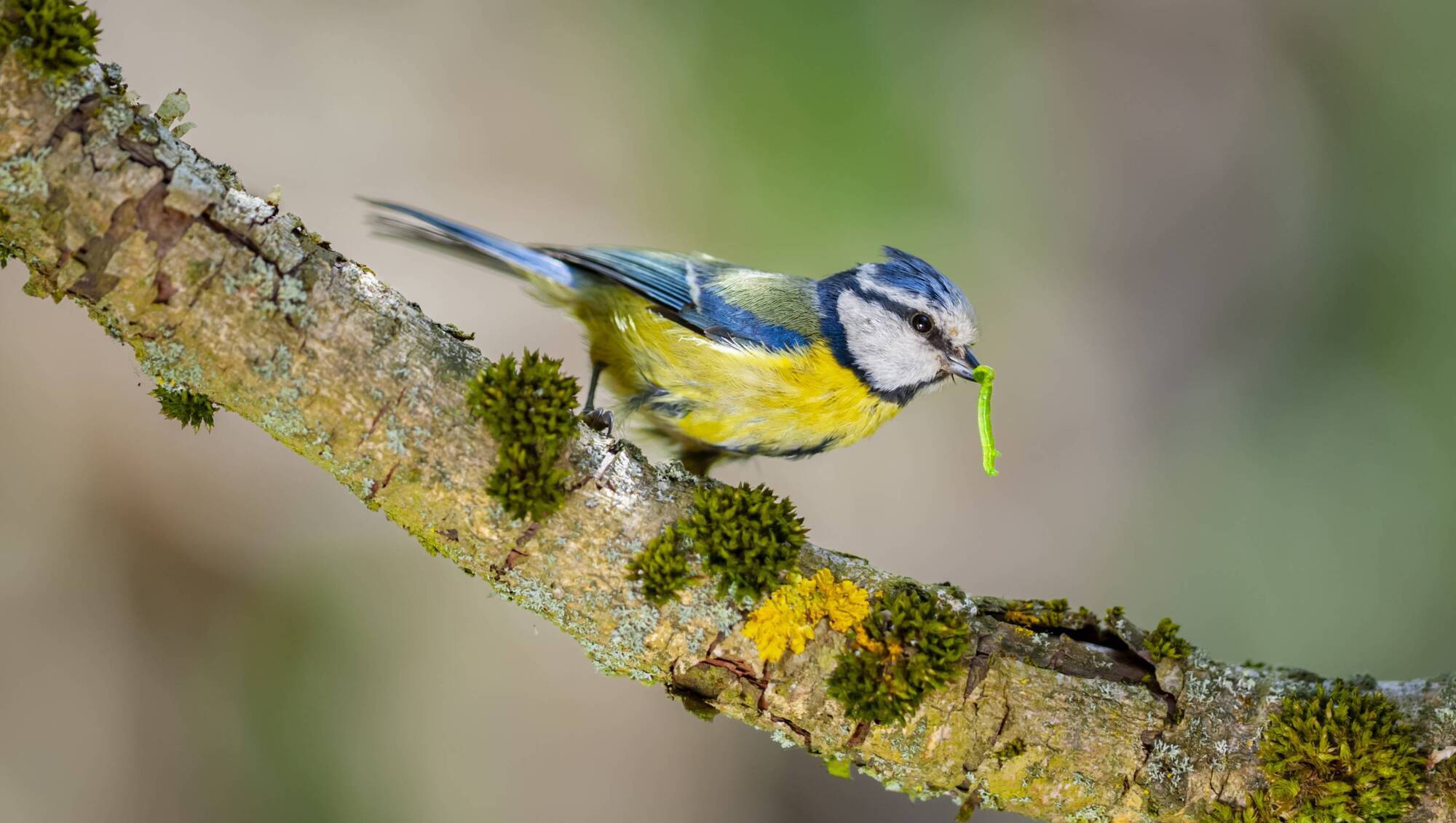
June and July are peak caterpillar season, so even if the ground is too compacted for worms at this time, there is still plenty of other food options for them.

June and July are peak caterpillar season, so even if the ground is too compacted for worms at this time, there is still plenty of other food options for them.

I was reading something online a few days ago about shared common household foods that birds such as robins enjoy eating, and I had a niggle of concern: didn’t BirdWatch Ireland only recently advise us to stop feeding birds between May and October to prevent the spread of the disease trichomoniasis?

I wasn’t alone; huge numbers of people were commenting under the post asking the same question.

To avoid confusion, I reached out to BirdWatch Ireland directly to clarify what we should — and shouldn’t — be doing for birds this summer. Aisling Kinsella from the organisation said many people are confused about how to support birds, especially during the recent heatwave, when feeders and bird baths are not being recommended.

Should we not be feeding the birds?

Right now, no.

“Our original advice still stands as the research done on trichomoniasis indicates a higher prevalence in the summer and early autumn months,” Aisling says, but reassures bird lovers that there is lots of food available to them naturally.

“There are plenty of natural food sources around for the birds at this time. While earthworms are favoured by robins, it is not their only food source. They will also eat plenty of other insects and grubs — including spiders, beetles, and caterpillars. 

"June and July are peak caterpillar season, so even if the ground is too compacted for worms at this time, there are still plenty of other options for them.”

What about during the breeding season?

“Another question we get asked a lot at this time of year is ‘are the adults getting enough food to support their young?’ Again, studies have been done to show that during the breeding season, the adults will feed their chicks almost completely with caterpillars/invertebrates, and only visit feeders to give themselves a bit of a top-off. So there should be little or no knock-on impact in that regard.”

How can I keep garden birds cool during high temperatures?

“Probably the most frequently asked question with temperatures soaring is how people can help keep their garden birds cool. Birds have excellent thermoregulation strategies. 

"One of which is ‘panting’, similar to dogs (they can’t sweat) or stretching their wings out to allow airflow through their feathers. If you see a bird on the ground or in your garden with its beak open and wings outstretched, it does not need your help. It is engaging natural behaviours to cool itself down. 

"The best thing to do is to provide shade and minimise disturbance when you see a bird doing this — approaching it will cause it to fly off, and the bird will end up expending energy that it was trying to save.”

Should I fill a bird bath for them?

“Bird baths are unfortunately a vector for trichomoniasis, so we are discouraging the use of them. I know people will most likely be putting them out anyway, as they are trying to help, which is understandable, so if they are, we would just urge people to ensure they have a strict hygiene protocol. 

"Change the water, not just daily — but multiple times a day, and be sure to disinfect it too.”

This is a big change, what can I actually do to help birds?

“This is the first year of this advice, and so it is a transition. However, going forward, the best way to support garden birds is to plant native shrubs and flowers. The more gardens that provide native wildflowers, which attract a diverse range of insects, the more natural food that will be available. 

"Nettle is a particularly good one — I know people see them as weeds, but they are an important larval plant for a lot of butterflies, which means plenty of caterpillars for the birds.

“Birds also receive hydration from the grubs and caterpillars that they eat. Native shrubbery will provide excellent places for birds to shelter in the shade during heatwaves, where they won’t be as disturbed during the hottest parts of the day by dogs and cats. 

"During hot weather, birds will try to forage early morning and late evening and avoid using energy during the hottest parts of the day, so again providing them with space to cool down and rest and not be disturbed is vital.”

More in this section

Cookie Policy Privacy Policy Brand Safety FAQ Help Contact Us Terms and Conditions

© Examiner Echo Group Limited