Life Hack: Own a hot tub? Here’s how to keep it clean
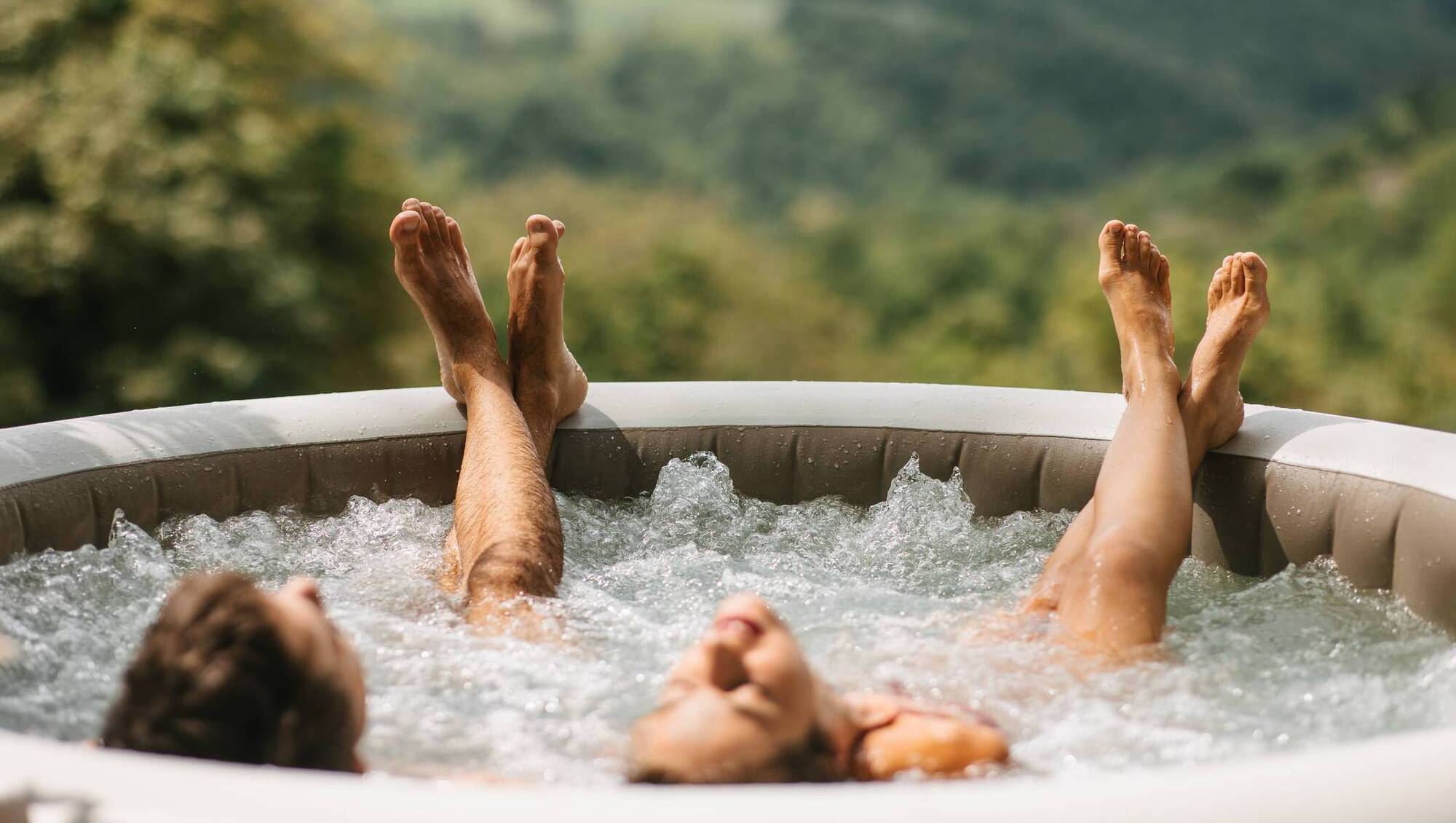
When a hot tub sits unused, water often stagnates in the plumbing and fittings, allowing disinfectant levels to fall away and causing biofilm to build up on pipes, jets, and filters. This creates the perfect conditions for legionella bacteria to thrive.
Those items aren’t super common in Irish homes but they are growing in popularity. Hot tubs, in particular, have seen a growth in interest, especially since the pandemic, when many used that time to elevate their garden space with luxury facilities.
For anyone who splurged on a hot tub for their home, it’s very important to maintain its hygiene and prevent potentially deadly diseases from thriving.
Legionnaires’ disease is one major issue to be aware of. It’s a potentially fatal lung infection that is caused when droplets of water containing legionella bacteria are inhaled. The likelihood of this happening increases in hot weather, when more water evaporates, particularly around stagnant or untreated water systems.
Many hot tub owners are not confident their cleaning routines are up to scratch, putting themselves at risk of major illness.
Research carried out in Britain recently shows just 24% of hot tub owners follow a set cleaning schedule, while a massive 92% do not regularly test for legionella, despite the potentially serious health consequences. It’s probably safe to assume there are similar figures on this side of the Irish Sea.
Luckily, a leading legionella authority in Britain has shared some advice on how to stay safe when using hot tubs in hotter weather.
“As temperatures rise, it’s easy to get caught up in the excitement of barbecues and evenings outdoors. However, behind the scenes, legionella remains a silent yet serious threat, especially in warm, stagnant water systems such as unused hot tubs or spa pools,” says Greg Rankin, chief executive at Hydrohawk.
“As climate change continues to create ideal conditions for legionella bacterium to thrive, raising awareness and taking preventative steps has never been more critical.”
Legionnaires’ disease kills 7-12% of all those infected, and hot tubs operate in the same temperature range that supports legionella growth (roughly 25-45C). Between the ideal temperature and the scope for water spray, the risk of legionella can increase if not properly managed.
Intermittent hot tub use — particularly during fluctuating hot and wet spells like we recently experienced — remains a critical safety concern.
When a hot tub sits unused, water often stagnates in the plumbing and fittings, allowing disinfectant levels to fall away and causing biofilm to build up on pipes, jets, and filters. This creates the perfect conditions for legionella bacteria to thrive.
“Hot tubs, in particular, have grown significantly in popularity over recent years, so it’s vital that homeowners understand how to operate them safely, especially as they can provide ideal conditions for legionella growth,” says Rankin.
“When left unused for any length of time, the risk of legionella infection increases significantly. Fortunately, there are some simple steps people can take to minimise that risk.
“Always ensure your hot tub has been treated with the correct chemicals at the appropriate levels before switching it on.
“Chlorine and bromine are the most commonly used disinfectants and can help keep the risk to a minimum.
“As part of this, a quick and easy legionella test can help to detect potential risks early, so that you’re sure that water-borne illnesses won’t get in the way of your summer fun.”
The best plan of action is to set up a cleaning schedule for your tub, with a weekly to-do list as part of that. This will help to prevent a build-up of unwanted scum and debris.
Hot tub filters will also require regular attention; rinse these with warm water and a dedicated filter cleaner.
You should also completely drain a hot tub every three to four months.

CONNECT WITH US TODAY



Be the first to know the latest news and updates