Irish greenhouse gas emissions fell by less than 1% in first quarter of 2026
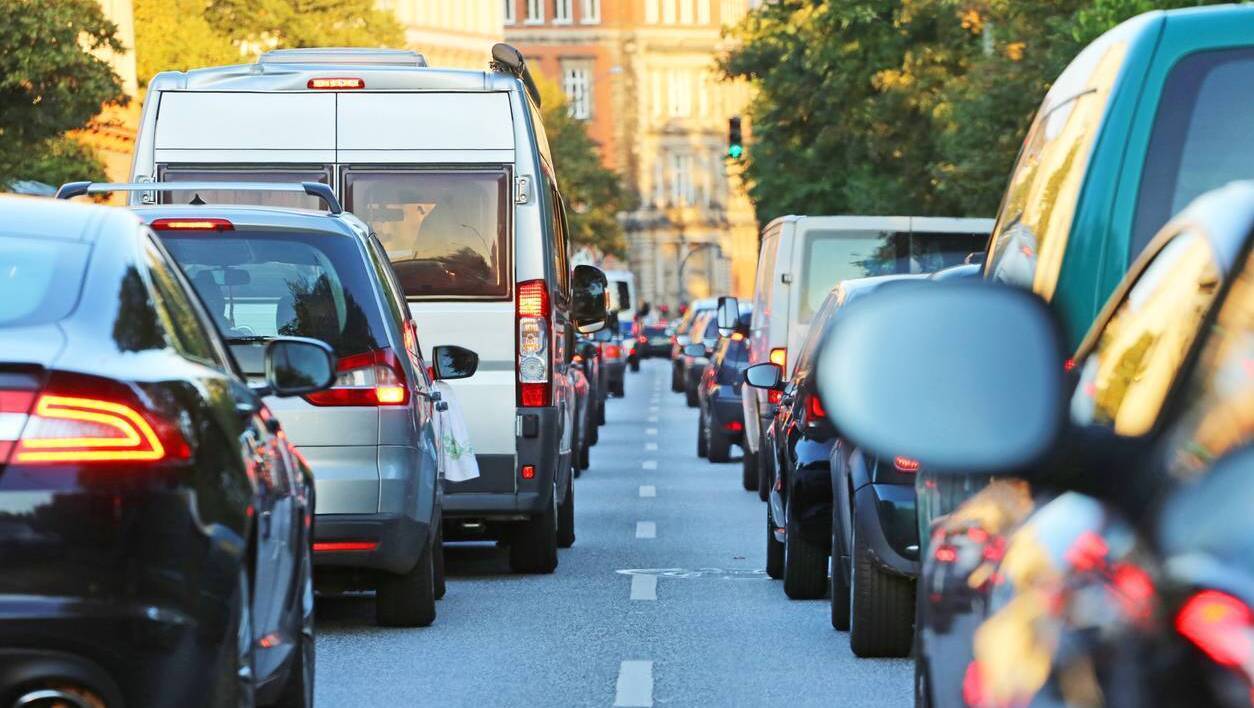
The largest reduction in emissions was in the transport sector at 2.6% which the EPA linked to 'decreased diesel sales, partially offset by increased petrol sales'. Picture: iStock 

The largest reduction in emissions was in the transport sector at 2.6% which the EPA linked to 'decreased diesel sales, partially offset by increased petrol sales'. Picture: iStock 

Overall greenhouse gas emissions for the first quarter of this year was only down by less than 1%, when compared to the same quarter in 2025.

Between January and March this year, the largest reduction observed was in the transport sector at 2.6% — a drop of 72 kiloton of carbon dioxide.


The Environmental Protection Agency said this reduction was mainly driven by “lower road transportation emissions” which reflected “decreased diesel sales, partially offset by increased petrol sales". 

In the agriculture and industry sectors, emissions were up by 0.5% and 0.6% respectively, when compared to the same time period in 2025.

The organisation said the higher emissions in the agricultural sector were driven from soils made from “synthetic fertiliser, partially offset by reductions in lime application and emissions from manure storage.” 

CLIMATE & SUSTAINABILITY HUB

For the industry sector, the increase was driven in particular by the mineral industry, which included cement, lime, brick, and ceramic production.

“This increase was partially offset by reduced emissions from fossil fuel use in manufacturing,” the EPA said.

Electricity then decreased by 2.2%, despite a 4.2% increase in overall demand.

“The reduction reflected increased renewable generation and electricity imports, alongside non-renewable generation,” the EPA said.

Additionally, there was an overall 8.1% reduction in other sector emissions which was driven by a projected phase out of “F-gas” usage due to the implantation of an EU regulation.

An “F-gas”, a fluorinated greenhouse gas, is used for cooling, insulation and electrical work. They are commonly found in fridges, air conditioning, heat pumps and aerosol sprays.

Agriculture remains largest emissions source

The report added that while downward trends have been evident in the buildings, electricity and industry sectors since 2018, agriculture continues to be “the largest source of emissions across this time series.” 

These figures comes as not a single sector of the economy is on course to hit its emission targets, with less than three and half years left to go.

Under Irish and EU legislation, Ireland is legally bound to reduce its total greenhouse gas emissions by 51% by 2030 (relative to 2018 levels) and to be climate neutral by 2050.

And with the government yet to publish its annual Climate Action Plan for this year, it will have to make sure it meets its climate target for 2030.

If Ireland fails to hit the target, it could face fines of up between €3bn and €28bn.

According to an EPA report for last year, which was published last month, only 14.5% of emissions have been dropped between 2018 and 2025, with the organisation predicting that the country would only achieve a maximum reduction of just 23% by 2030 — less than half of the required target.

However, the EU legislation offers little clarity as to how much a country might have to pay at the end of the day. Climate Minister, Darragh O’Brien has also acknowledged previously that he does not yet know how much Ireland’s shortfall could cost.

x

CLIMATE & SUSTAINABILITY HUB

More in this section

Lunchtime News

Newsletter

Get a lunch briefing straight to your inbox at noon daily. Also be the first to know with our occasional Breaking News emails.

Cookie Policy Privacy Policy Brand Safety FAQ Help Contact Us Terms and Conditions

© Examiner Echo Group Limited