Exit strategy: 10 years on, how Brexit changed our lives forever
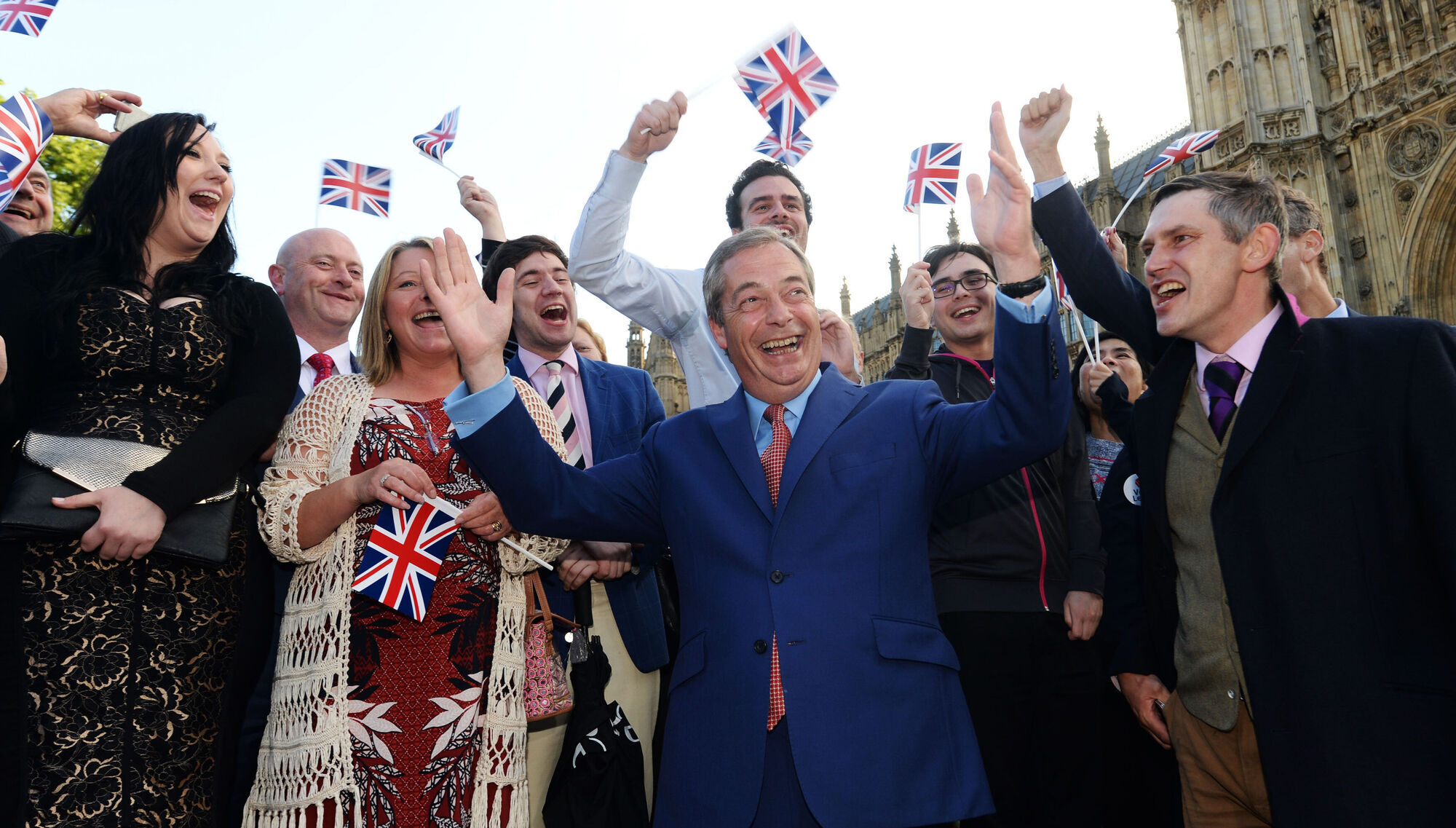
UKIP leader Nigel Farage greets supporters in Westminster after Britain voted to leave the European Union in June 2016
Dan Wilcox was a student, still a year shy of being eligible to vote, when he was suddenly faced with a future decided by somebody else.
Ten years ago next week, on June 23, 2016, the UK voted to leave the European Union.
“I was 17, in college, and working part-time in a supermarket,” says Dan, 27, from Horley in Surrey. “I remember the day after the vote, being in college and everyone feeling really uneasy. I had a bewildered anger towards the people who voted for it but I kept it to myself.”
Though his southern English county of Surrey bucked the trend on Brexit, with 52.2% voting Remain and 47.8% voting Leave, the overall result was a stunning victory for the Leave side. Both Northern Ireland and Scotland voted overwhelmingly to remain, but the results in England gave Nigel Farage his so-called "independence day" by more than one million votes.
“The whole run-up to it was bizarre,” recalls Dan.
As Dan points out, even the date for holding the referendum was bizarre, landing on the second day of the Glastonbury Festival, attended by an estimated 135,000-175,000 potential voters with an average age of 25-35. Many in this demographic that were staunchly Remain were sloshing around in mud rather than deciding their own future.
“I was trying to think what the benefits have been for young people, and there aren’t any,” says Dan. “The main focus of the Leave campaign was immigration and that hasn’t changed. There were people marching in London a few weeks back for a problem that they thought they had voted to solve.
“It got rid of free movement, the antithesis of being a young person,” he adds. “Having that opportunity to live abroad and that freedom. That was a real penalty.”
However, it was a penalty Dan was not prepared to put up with. Though he was born and grew up in the UK, his parents are both from Northern Ireland, and as a consequence, he was eligible for an Irish passport. He didn’t hesitate to make the application.
Dan wasn’t the only one. In the decade since the Brexit referendum, the Irish Passport Office has been flooded with requests from the UK. In 2024, 242,772 people living in the UK applied — the highest number since the UK officially left the EU.
In 2023, Dan moved to Dublin to take up his current role as a producer and editor at The Podcast Studios.
“I had a similar job in Surrey but the pay wasn’t great,” he says. “I was on a probation period for about a year and a half and, in the meantime, I was trying to find something better around conditions and pay.
“This opportunity came up here in Dublin, and when it was clear that my employers in Surrey weren’t going to improve my conditions, I decided to move.
Does he rule out a return to the UK?
“I’m primarily motivated by career prospects and living standards,” Dan says. “I would gladly wait for the UK to redeem itself, but it still looks unlikely at this time. Ten years on from Brexit, and how they still avoid the elephant in the room to this day is astounding. A renewed European connection could be that redemption, but I’m pessimistic.”
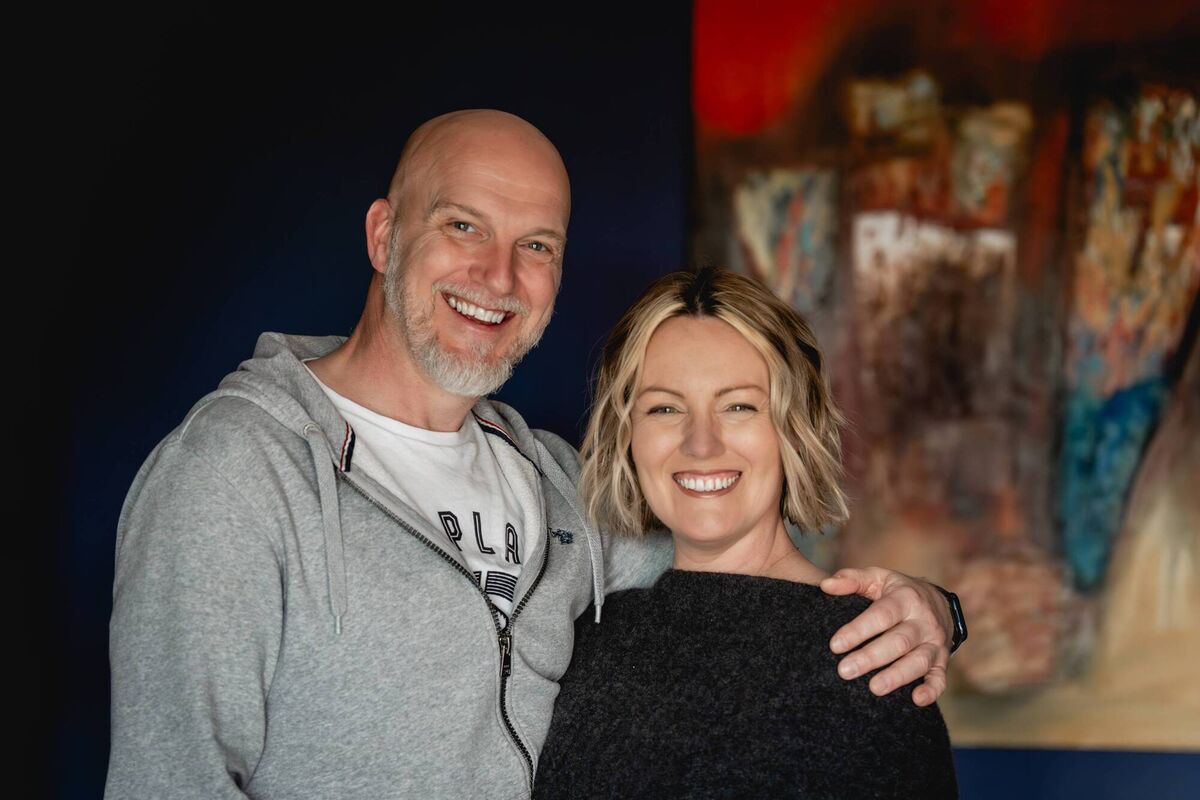
Sarah and Will Lonsdale have “no intention of moving back” to the UK. Since the couple moved to Virginia in Cavan in 2021, they have been back on several occasions to fulfill bookings for their wedding photography business.
“We don’t really miss it,” says Sarah. “For maybe the first three years that we were here, we’d have to go back to do some work and it was miserable.
Though she grew up in Essex, both of Sarah’s parents were from Wicklow and they brought her up to see Ireland as home.
“I never felt like I fitted in where I grew up,” she explains. “Social opinions were different from those we held as a family. There was a subtle racism there and quiet right-wing opinions.
“When Brexit happened, it seemed to be OK to be more vocal about it. I felt a shift in people and I think the rise in social media has encouraged it further. The collective voice didn’t sound like my own. Things started to feel a little different.”
“I was blasé about it,” admits her husband, Will. “I saw the result but I never thought leaving the EU was actually going to happen because it was so stupid.”
As the reality and the political pantomime of Brexit played out in the years after the 2016 referendum, a new foe appeared on the horizon in the shape of covid.
Sarah and Will’s thriving photography business was suddenly shut down and, with their house at risk, they decided to buy an RV and drive around England.
In 2021, Sarah discovered she was pregnant. Shortly after, her mother died.
“There was a delay in the funeral,” recalls Sarah. “So we were parked up near my dad’s house in Essex and those few weeks there just compounded the reasons to leave. As soon as the funeral was over, we came over to Ireland.”
While the number of UK nationals, like Sarah and Will, moving to Ireland has increased, it’s hardly an influx.
According to CSO statistics, 4,600 UK nationals moved to Ireland between April 2014, and April 2015. The following year, that number increased by 1,240, before jumping to 9,600 in the 12-month period up to April 2017. Of course, these statistics do not include the many Irish citizens who decided to come home.
Former Irish rugby international Bob Casey spent 15 years living and working in London before moving back to Ireland in 2017 with his wife, Shauna, and their children.
“I was living in south-west London in an area that was clearly Remain, so we had no inkling that there would be anything other than a Remain vote,” recalls the 48-year-old.
“We had always planned on coming home at some stage anyway, but I think it just crystallised our decision and probably made us push the go button.”
Part of Casey’s move involved taking on a role as senior client partner at the Irish office of Korn Ferry, a leading global management consultancy that helps companies align their business strategies with their human capital. In 2020, he became its managing director.
“We work with some very successful international and Irish businesses based here, and part of what we do is help them with key strategic hires,” says Casey.
“With Brexit, it’s been easier to attract talent from the UK and that’s both Irish diaspora and international talent. We’ve been able to attract quite a few top English executive leaders.”
Casey is keen to stress that while Brexit is part of the motivation for these executives moving to Ireland, there are other factors, including more value in private schooling and a better quality of life.
Indeed, that quality of life element is also crucial for Sarah and Will.
“I think Brexit probably tipped the scales,” says Will. “That was the thing that pushed us out and forced us to look for something better.
“I always had a dream of moving to the French countryside, buying a run-down farm, and doing it up, but we’ve changed to Cavan. We’re in the middle of nowhere, so it’s a bit different and it was the right move. Things are just more laidback.
“You’re still a blow-in but for the most part, people are just nice. They have more time. Things are less hectic. In terms of bringing a little boy up, I couldn’t fathom him growing up in the UK.”

CONNECT WITH US TODAY



Be the first to know the latest news and updates