Smart farming: Technologies transforming Irish dairy
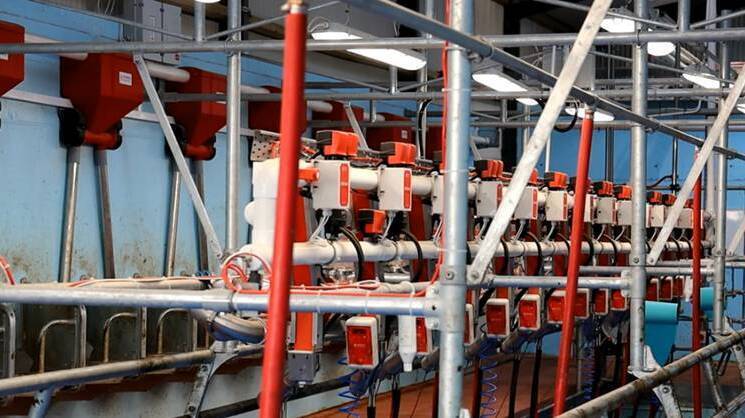
The Pearsons milking parlour on Loughlin Ryan's farm.
Technology has not always enjoyed the most positive headlines in recent years. But in agriculture, where labour shortages and long hours can make the job seem unappealing, technology has helped farmers improve their work-life balance, make better decisions and potentially encourage a new generation into the sector.
From GPS-guided fertiliser spreading and animal health sensors to automatic calf feeders and smartphone apps, digital technology is becoming part of everyday farming.
For farmers, however, the value of these technologies lies not necessarily in how sophisticated they are, but in whether they save time and make the working day easier.
For Co Clare dairy farmer Eoghan McInerney, data already plays an important role in managing his farm. He uses platforms including Herdwatch, Dairygold and ICBF to access information on milk solids, Economic Breeding Index (EBI), fertility and production.
The move towards phone-based technology has made much of this information easier to access, but it is not without its challenges. Farmers have multiple apps and sources of information to manage, while digital literacy can be a barrier for those less comfortable using smartphones.
Keeping records up to date can also become another job if systems are not straightforward to use.
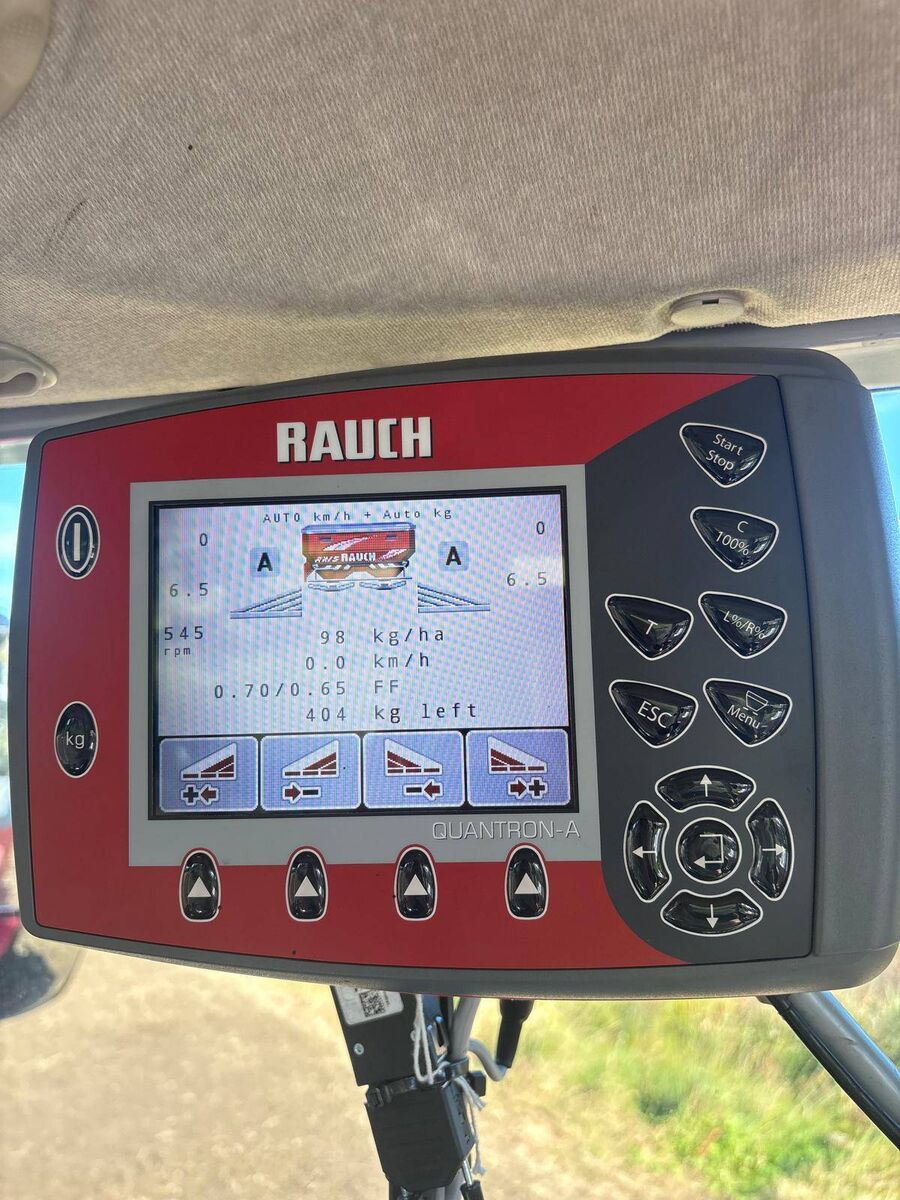
One technology Mr McInerney has found particularly useful is his GPS-enabled fertiliser spreader. Controlled from inside the tractor, the system allows fertiliser to be applied more precisely and helps to avoid unnecessary overlap and waste.
His approach to investing in technology is straightforward: “If it’s worth the money and saves time, then it’s worth it.”
That is now shaping a discussion about the next investment on the farm: heat-detection collars. While they do not currently use collars, Mr McInerney hopes to introduce them next spring. Accurate heat detection can support fertility management and help farmers maintain the compact calving pattern that is particularly important in Ireland’s seasonal, grass-based dairy system.
In North Cork, dairy farmer Kevin Twomey has already seen the impact collars can have on the working day.
His farm now relies on collars for heat detection rather than tail painting, while also using 100% artificial insemination. Removing the need to keep breeding bulls on the farm offers another benefit from both a management and safety perspective.
“We’re not missing cows as easily anymore,” he says.
The collars also provide information on animal behaviour. Changes in activity, feeding or rumination can alert farmers to an animal that may require closer attention, potentially helping them to identify illness or injury earlier.
But more information does not automatically mean better decisions. The volume of information generated by modern farming technologies can “overload you with data”. Technology still needs to be accompanied by farmer knowledge and judgement, particularly before significant management decisions are made.
Automated drafting has complemented the collars on Mr Twomey’s farm. Cows identified by the system can be automatically separated from the herd as they leave the milking parlour, removing another manual job from the milking routine.
He also uses PastureBase Ireland to support grassland and nutrient management and to plan the management of individual paddocks.
One area where there is still room for improvement is access to up-to-date fertiliser data. Fertiliser databases are not always current, which can be frustrating for farmers trying to record and manage nutrient applications accurately.
With increasing amounts of farm data now being collected, ensuring fertiliser information is accurate and regularly updated is important if farmers are to get the full value from these systems.
For Loughlin Ryan, a young farmer in Co Tipperary who recently moved into dairy farming, labour-saving has been one of the biggest benefits of investing in technology.
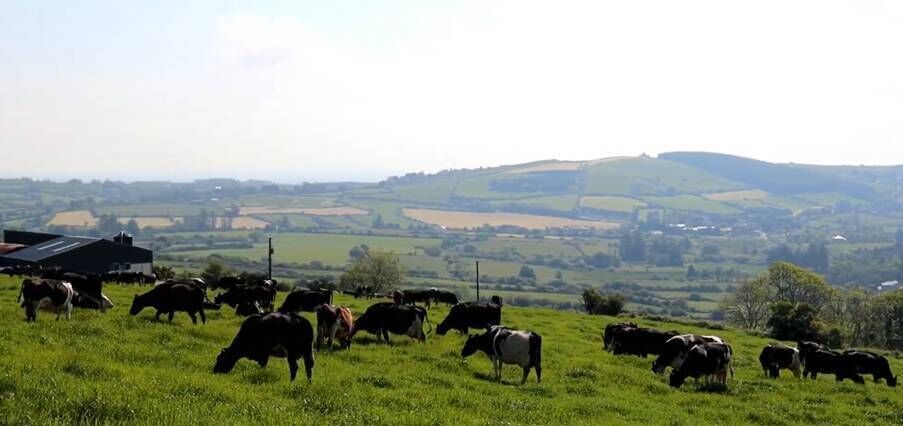
He uses SenseHub collars for fertility management and can access the information directly from his phone.
“They are way more accurate. You’re not having to watch the cows and there is no need to tail-paint anymore,” he says.
The ability to access that information remotely is particularly valuable.
For Mr Ryan, that flexibility addresses one of the major challenges facing farms: finding reliable labour, particularly during the intense spring period.
“Good labour is hard to get, especially during busy periods such as springtime,” he says.
Automatic calf feeders have further reduced the workload during this period. As well as feeding calves, the system can manage the weaning process, removing another repetitive task at one of the busiest times of the farming year.
As a recent entrant to dairying, Mr Ryan was also able to begin with a relatively modern milking parlour. Automatic cluster removers, electronic feeding, a dump line and air-operated gates each remove relatively small jobs from the milking process. Added together, however, those minutes can make a considerable difference to the working day.
According to Teagasc technician Kevin McNamara, one of the advantages of technology is the ready availability of data on farmers’ phones, preferably through an app, giving them greater autonomy in their decision-making.
One of the more novel technologies he has started to see on farms is the use of boluses for heat detection and animal health monitoring. They work in a similar way to collars, giving farmers more accurate information on an animal’s temperature and hormonal cycles. They can be used to help identify the best time to breed and indicate when cows are about to calve.
When asked which technology he considers most valuable on farms, Mr McNamara points to heat-detection and monitoring systems.
He also believes there is an opportunity to use the data and technology available to monitor farm costs, something he thinks farmers could do more of. A wealth of information is available but is currently underutilised on many farms.
“If you have a greater understanding of your spending, you have more control over it.”
There are still barriers to the adoption of agricultural technology. Digital literacy remains a concern, while access to reliable broadband, on which many technologies rely, can be difficult in some rural areas.
Cost remains an obvious consideration, and farmers need systems that are straightforward to use and, ideally, work together rather than creating multiple sources of information. Recording information can also become an additional burden if systems are complicated or data has to be entered repeatedly.
This points to a wider challenge for smart farming. The most successful technology is unlikely to be that which produces the greatest amount of data. It will be the technology that turns data into something useful while making farming simpler rather than more complicated.
For Mr McInerney, Mr Twomey and Mr Ryan, the common denominator is time and efficiency. Whether it is a GPS fertiliser spreader preventing overlap, a collar identifying a cow in heat, an automatic drafting gate removing a job from the parlour, or a calf feeder taking pressure off during spring, technology is increasingly taking repetitive tasks out of the farming day.
That could have implications beyond individual farms. At a time when agriculture is considering how to attract and retain the next generation, technology cannot remove all the long hours and pressures associated with farming.
But if it can reduce unnecessary labour, support better decisions and give farmers greater flexibility over their working day, it may help to make farming a more attractive career for those who will run Ireland’s farms in the decades ahead.