Grazing late in the year, time to consider next year
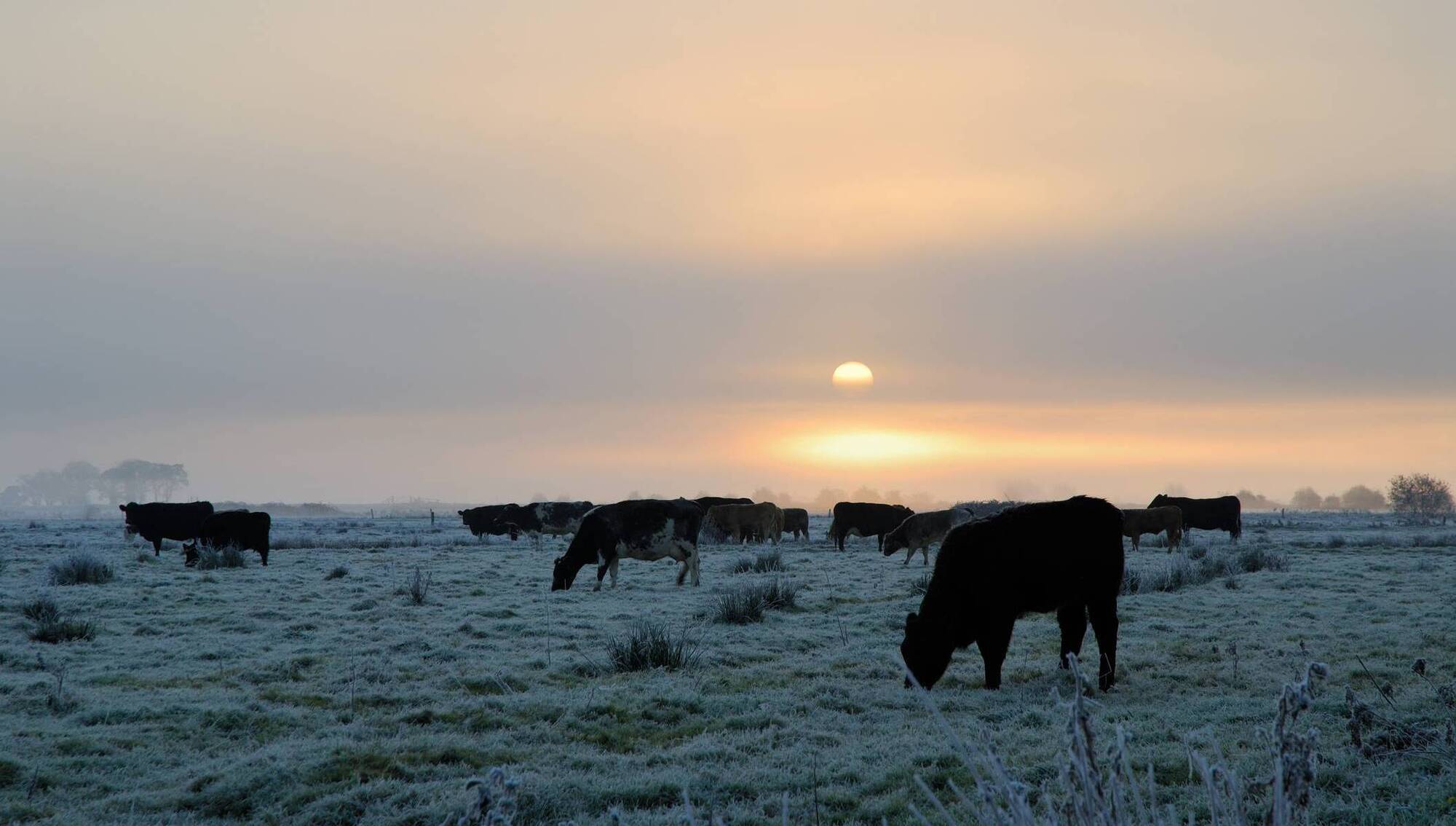
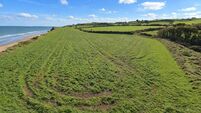
Many have given in to temptation and have gone back into fields they had closed in October for next spring. Grass growth has been very good; however, you really must draw the line somewhere.

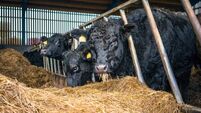
As we head into mid-November, there is plenty of stock still outside on both beef and dairy farms. Up until the rain last week and the cold days we are currently having, growth was unprecedented for November.
I still have some dry cows and the last eight cows rearing calves out grazing, while all cows rearing newborn calves are housed. I clipped, bolused and dosed maiden heifers over the weekend and put collars on them as I plan to begin breeding at the end of the month.
All of these maidens were housed at weaning during the drought and have remained in since on silage and meal. They are far ahead of previous batches as they have had no variation in their diet since. There is still a decent amount of grass on paddocks, and hopefully it will still be there for stock in the spring.
This extended grazing season has been a fantastic boost. Many have given in to temptation and have gone back into fields they had closed in October for next spring. Grass growth has been very good; however, you really must draw the line somewhere.
Read More
Are animals performing as you require from November grass, and what grass will you have left for the spring? Some are looking at fodder stocks saved for the winter and feel every day extra outside is saving silage. You can’t feed the grass twice, so if they eat it now, it won’t be there at the other end of the winter.
If your farm is lightly stocked, then you can afford to graze on as demand will not be too high in the spring. However, if you are going to be heavily stocked at turnout next spring, you need to consider housing the remaining stock.
Obviously, it is better to get any heavy covers off the paddocks to ensure sward quality next spring. If you are currently grazing silage fields, then that is a different story as next year’s crop will benefit from being grazed tight in the back end of the year.
In fact, those who graze silage ground tightly in November without doing damage rather than grazing it in the spring tend to produce a crop of excellent quality first-cut each year. This is down to being able to take a much earlier cut as the ground will all have been closed off before January.
This is more of an issue if these are heifers you intend on bulling next spring. They need to be growing well in order to reach maturity and begin cycling well in advance of the breeding season. For bulls or bullocks you intend on selling next spring, any reduced weight-gain now will significantly lower your sale price.
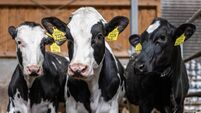
For dairy herds grazing by day, intakes of grass are dropping as swards are very low in dry matter. In this case, it is important to get sufficient dry matter and quality energy intakes when in by night, in order to maintain performance.
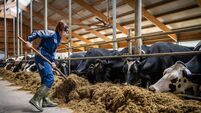
How many of you are currently feeding third-cut silage in pits or bales that was made in September or even October? Don’t be fooled by how it looks or how it looked the day you cut it. This type of silage is not high-feed value.
These silages tend to cause cattle to be excessively loose in their dung if not supplemented with some long fibre, such as straw. Extra concentrates are required with this silage also to achieve required animal performance.
My advice when feeding this late silage is to filter it through your feeding regime along with better-quality silages. The day of the year you ensile grass has a big influence on the quality of the silage you get to feed out. No matter how good grass looks in the field late in the year, it will not make rocket fuel silage.
In fact, many of these silages never fermented properly, and you can still see strands of green grass through it.
Many of these third cuts are also black and spoiled due to excessive nitrogen content and/or clay contamination due to mowers and rakes being too tight to the ground.
- Brian Reidy is an independent ruminant nutritionist at Premier Farm Nutrition. His column features in the every Thursday.