Herd Tasks: Your weekly farming checklist
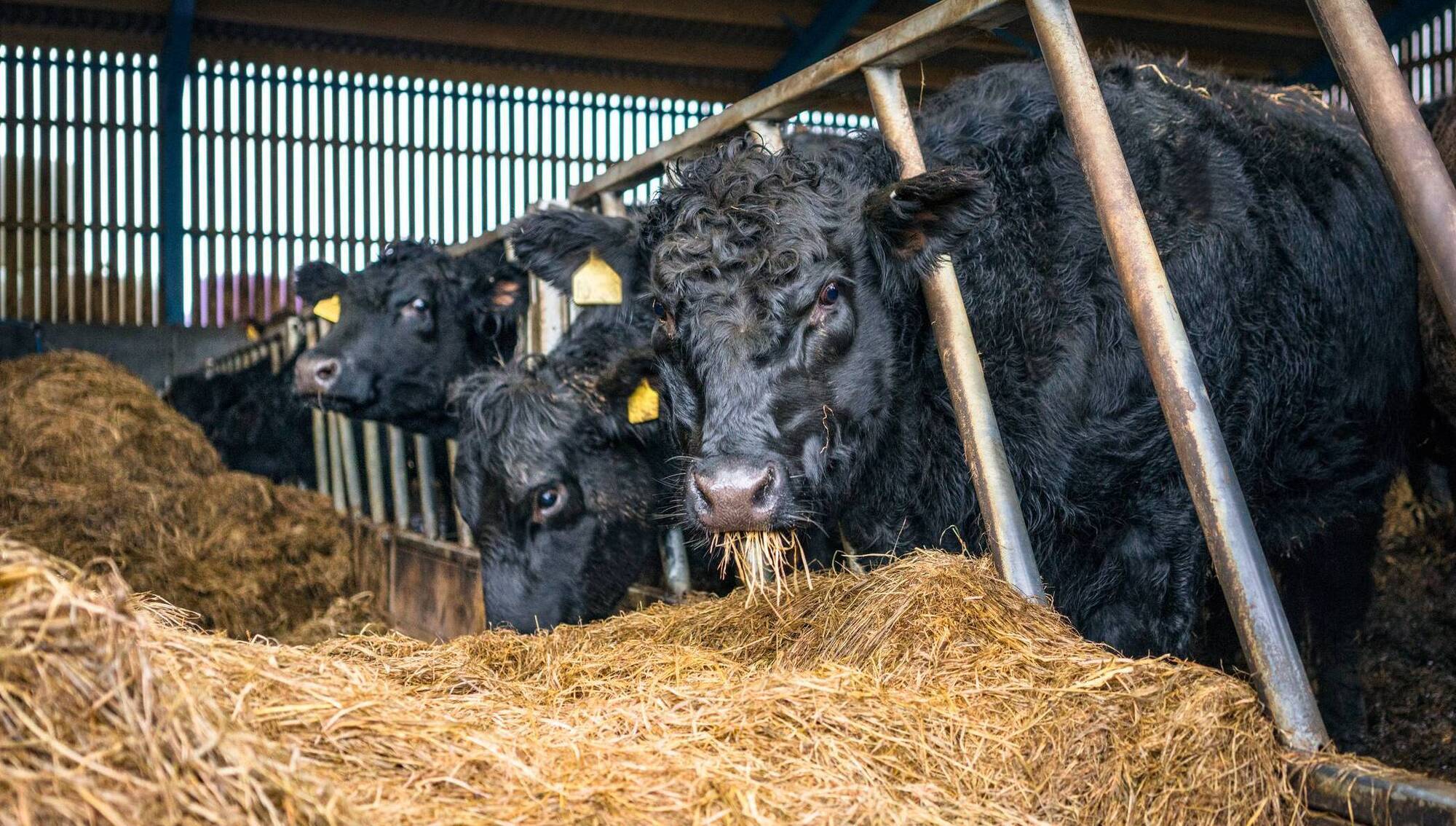
Ventilation is important when it is warm indoors and avoiding draughts is essential, particularly for youngstock during colder spells.
- It had been quite warm lately for the time of year, and many cattle were sweating indoors. It has now cooled down significantly, and this can only be described as healthier weather for animals indoors.
- Ventilation is important when it is warm indoors and avoiding draughts is essential, particularly for youngstock during colder spells.
- Avoid housing cattle when they are wet where possible.
- It is good practice to clip backs and tails to release some heat from stock at or around housing.
- This will also help if you are dosing for parasites with a pour-on.
- Remember when you are treating cattle for lice, you must do all stock in the shed if it is to be effective.
- Spring calvers with 30 to 40 days of milking still to do will need to be fed accordingly based on available silages. Most silages can’t support much more than maintenance plus three or four litres.
- Ensure you give dry cows a good quality pre-calving mineral for a sufficient period before their due date.
- Feed a quality mineral for four to five weeks pre-calving.
- If you are happy with body condition, then grouping cows according to calving date will make management much easier around calving.
- Growing weanlings will sometimes be underfed unintentionally when silage is of poor/average quality. Make sure you grow them as well as possible. Gaining weight on young animals is much cheaper than on older ones.
- Silage may not be as good as you think.
- Sufficient concentration of the required protein content fed now is much more cost-effective than chasing gain when the stock are older.
- Cattle housed in early October with the intention of finishing in 100 days are about seven to eight weeks from finish now. Consider upping the energy of their diet to push for the final cover. Barley, maize meal and oats are excellent for achieving this.