Irish agri-food exports set a new €20.8bn record value
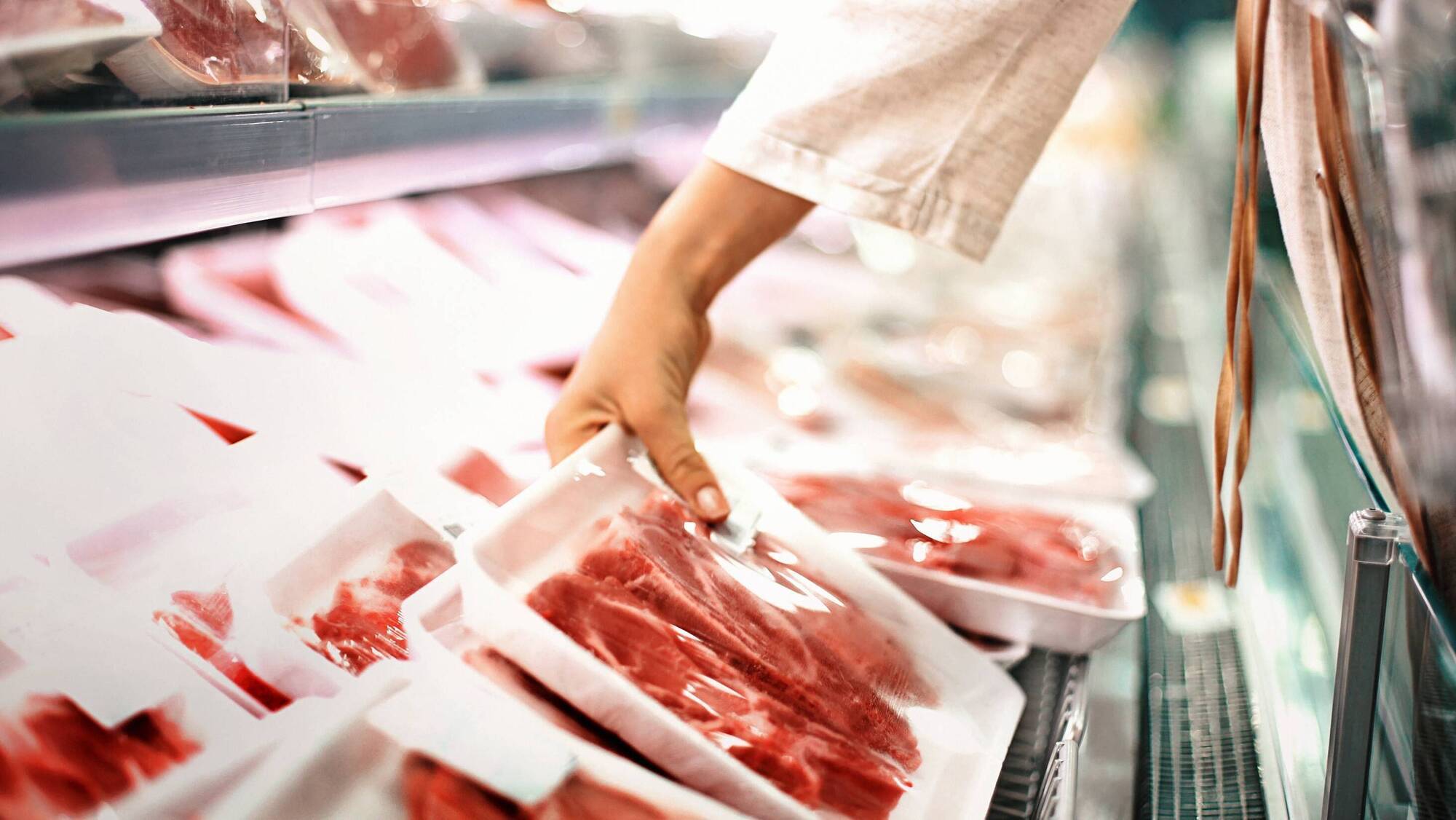
Irish beef has increased by 17% on a year-on-year basis in exports, achieving €3.6bn, with 63% of value coming from fresh or chilled boneless beef.
Irish agri-food exports have officially surpassed previous years, setting a record value of €20.8bn in 2025.
The record-breaking figure is an increase of almost €1.8bn, or 9% year on year, and a 70% increase since 2015.
Agriculture minister Martin Heydon said: “In 2025, Irish agri-food exports achieved a record high of almost €21bn, comprising 8% of all goods exported from Ireland. Irish agri-food exports enjoy a deserved global reputation for excellence, which is reflected in these record figures, and I am pleased that the trend for 2026 to date is also positive.
"This significant domestic economic footprint, including its export profile, reflects the natural comparative advantages of Irish agri-food production, including our long agricultural tradition and our global reputation for high-quality, safe and nutritious produce.”
Read More
Irish agri-food export figures were released as part of the flagship economic publication ‘Annual Review and Outlook for the Agriculture, Food and the Marine 2025-2026,’ released by the department.
The report found Irish agri-food exports reached more than 180 countries worldwide, accounting for 8% of Irish goods exports by value, with Irish agri-food trade surplus in 2025 reaching €6.2bn, an increase of €1bn, or 21% year on year.
Dairy remained the largest Irish agri-food export category with a value of €7.2bn, exceeding €7bn for the first time, and accounting for 34% of all agri-food exports.
Irish beef has increased by 17% on a year-on-year basis in exports, achieving €3.6bn, with 63% of value coming from fresh or chilled boneless beef.
Seafood generated €668m, a 12% increase on year-on-year figures, with the EU accounting for 60% of Irish seafood exports by value. Fruit and vegetables achieved a 2% increase to €259m, with 65% of value achieved by fresh or chilled mushrooms.
Beverages also grew by 2%, generating €2.2bn in exports, with Irish whiskey reaching a value of €956m. Prepared consumer foods reached €3.8bn, the fourth consecutive year this category has exceeded €3bn.
The UK accounted for 39% of total Irish agri-food exports by value, and was Ireland’s largest trading partner in 2025 at €8.1bn, a 11% increase year on year.
The Netherlands was the second largest trading partners at €2bn (10%), with the United States taking third place at €1.9bn, or 9%.
EU member states accounted for €7.5bn (36%) of Irish agri-food exports, and rest-of-world markets, which is the global total excluding the EU and UK, accounted for the remaining €5.4bn (25%).
Ireland has also expanded into several new markets in recent years, including Irish beef to South Korea, Thailand and Vietnam, sheep meat to Algeria, and poultry to Malaysia and the Philippines.
The agri-food sector employed 171,600 people as a main occupation, representing 6.1% of total employment, or one in 16 jobs countrywide, with over 15,890 people employed in the Irish seafood sector, both directly and downstream.
Mr Heydon said: “The Irish agri-food sector drives economic growth across the country and supports thousands of jobs throughout our rural and coastal communities, as well as our villages, towns and cities. The sector is responsible for 4.6 million hectares of agricultural land and over 808,000 hectares of forestry, representing some 76% of the total land in the State. Our coastline, seas and waterways support a thriving fisheries and aquaculture industry.”