Managing heat stress: Why buffer feeding and grass management matter this summer
Maintaining dry matter intake is one of the biggest challenges during periods of heat stress
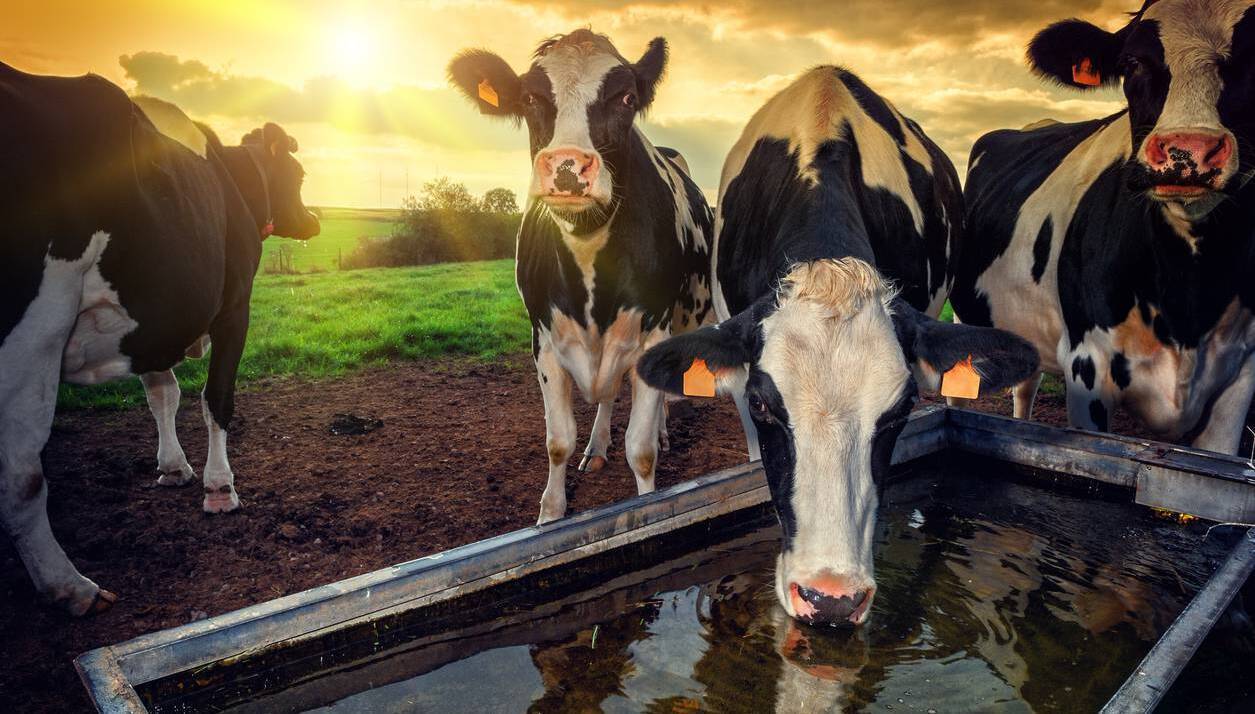
Hot weather can quickly hit feed intake, milk yield and liveweight gain. Good grazing management, buffer feeding and access to plentiful fresh water can help keep livestock performing when temperatures rise. File picture 

Hot weather can quickly hit feed intake, milk yield and liveweight gain. Good grazing management, buffer feeding and access to plentiful fresh water can help keep livestock performing when temperatures rise. File picture 

The past few weeks have been challenging for both farmers and livestock. While Ireland has traditionally escaped the extreme summer temperatures experienced across southern Europe, warmer weather is becoming increasingly common. As a result, heat stress is now a genuine management challenge on Irish dairy and beef farms.

Even a few consecutive days of high temperatures can reduce animal performance, particularly when warm nights prevent livestock from cooling down. While sunshine can initially boost grass growth, prolonged dry conditions quickly reduce growth rates. At the same time, heat stress lowers feed intake, milk production and daily liveweight gain.


Fortunately, a few practical management decisions around grazing, buffer feeding and water supply can help minimise these losses.

Recognising the signs

High-yielding dairy cows are particularly susceptible to heat stress due to the large amount of metabolic heat generated during milk production.

Signs to watch for include:

  • Reduced grazing activity, particularly during the afternoon.
  • Increased respiration and panting.
  • Livestock gathering around water troughs.
  • Lower feed intake.
  • Reduced milk yield and milk solids.

During hot weather, cows naturally adjust their grazing behaviour, eating more during the early morning and late evening while avoiding the hottest part of the day.

Buffer feeding helps maintain performance

Maintaining dry matter intake is one of the biggest challenges during periods of heat stress. Although grass growth may initially be strong, several days of high temperatures combined with drying soils can quickly reduce growth rates and tighten grass supplies.

Among the Keenan InTouch customers I work with across Kilkenny and Wicklow, grass growth has generally remained good as we move into July. However, some farmers have left themselves short by removing extra bales from the grazing platform. 

As a result, a number of these farms have introduced buffer feeding for seven to ten days to slow the grazing rotation and allow grass covers to recover while keeping up production. Overall, the majority are still supplying cows with excellent-quality grass alongside 3-4 kg of concentrates, with feeding levels adjusted according to cow performance.

Introducing a well-balanced buffer feed offers several advantages:

  • Maintains dry matter and energy intake when grazing time is reduced.
  • Supports rumen function during periods of inconsistent grazing.
  • Helps sustain milk yield and milk solids.
  • Reduces the impact of fluctuating grass quality.
  • Takes pressure off grazing paddocks during periods of slower grass growth.

Timing is equally important. Offering fresh feed during the cooler parts of the day, particularly after evening milking, will generally encourage higher intakes than feeding during the hottest part of the afternoon.

Managing grass during hot weather

Heat stress affects both the animal and the grass plant.

Where soil moisture becomes limiting, grass growth can slow dramatically. Rotation length may need to be extended to match reduced growth, while avoiding overgrazing will help plants recover more quickly once rainfall returns.

Maintaining suitable pre-grazing covers is equally important. Heavy, stemmy swards reduce intake at a time when cows are already eating less because of the heat.

Walking distances should also be considered. Long walks to distant paddocks increase energy expenditure and add to heat load, particularly during the middle of the day. Where practical, grazing the paddocks closest to the parlour during warmer periods can help reduce stress.

Water is the most important nutrient

During hot weather, water becomes the most critical nutrient in the diet.

A lactating dairy cow can consume between 90 and 100l of water per day during warm conditions. Trough capacity, water flow rates and cleanliness should all be checked before temperatures rise.

Adequate drinking space is equally important. Livestock should always have unrestricted access to clean, fresh water without having to queue, as even short periods of restricted access can negatively affect production and animal welfare.

Don’t overlook rumen health

Changes in grazing behaviour and reduced feed intake increase the risk of rumen upset. Cows often consume larger meals after extended periods without grazing, placing additional pressure on rumen function.

Providing sufficient effective fibre through buffer feeding, maintaining consistent feeding routines and avoiding sudden dietary changes will help stabilise rumen pH and support animal performance throughout periods of heat stress. Incorporating a live yeast like Yea-Sacc® in your parlour nut will reinforce rumen function, help stabilise pH, and minimise mobilisation of the cow’s body reserves.

Planning ahead

While Irish summers remain unpredictable, periods of prolonged warm weather are becoming more frequent. Having a plan in place before temperatures rise can help protect both animal welfare and farm performance.

Simple measures such as providing plentiful clean water, maintaining grass quality, introducing buffer feeding where necessary and encouraging feed intake during the cooler parts of the day can significantly reduce the impact of heat stress.

Managing heat stress is becoming another essential component of good grassland management. Farms that adapt quickly will be better placed to maintain production, protect animal health and make the most of every grazing season, whatever the Irish summer delivers.

  • Feidhlim Roche, Southeast InTouch Feeding Specialist.

More in this section

Farming

Newsletter

Stay ahead of the season. Sign up for insights, expert advice and stories shaping Irish agriculture.

Cookie Policy Privacy Policy Brand Safety FAQ Help Contact Us Terms and Conditions

© Examiner Echo Group Limited