Brian Reidy: Why bale silage goes mouldy — and how to prevent it
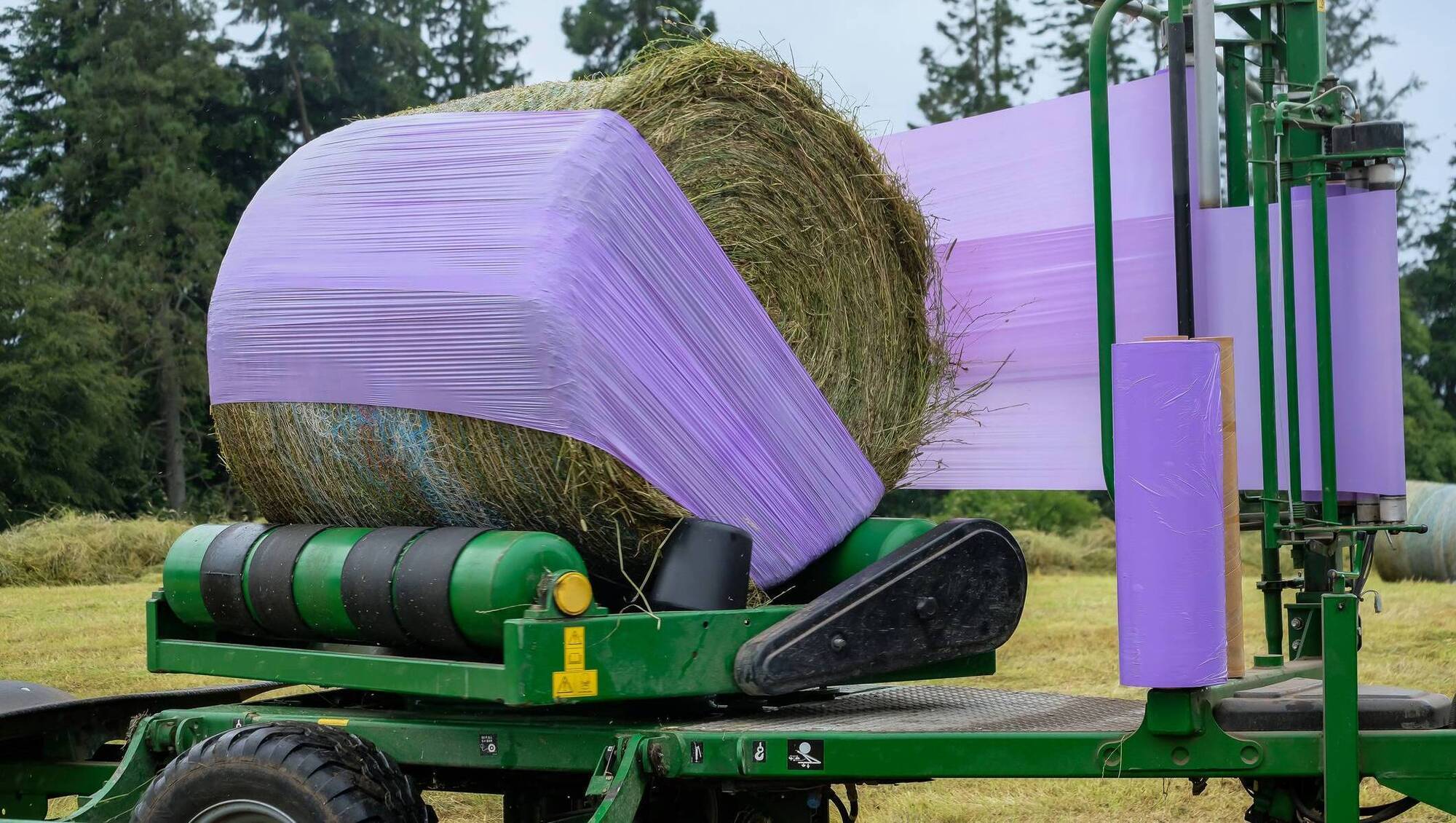
Poor fermentation, damaged plastic and crop contamination can all contribute to mould and waste in bale silage. Brian Reidy outlines the main causes and practical steps farmers can take to reduce losses.
One of the questions I am most often asked is why silage bales develop mould and spoilage.
There is rarely a single cause. Instead, bale spoilage is usually the result of a combination of factors, including oxygen entering the bale, contamination from soil or slurry, and poor fermentation conditions.
To preserve silage successfully, the environment inside the plastic wrap must remain completely anaerobic (oxygen-free). This allows lactic acid-producing bacteria to ferment the forage and lower the pH. If oxygen enters the bale, or the crop lacks the right characteristics for good fermentation, naturally occurring mould spores can multiply and spoil the silage.
Any damage to the plastic wrap allows oxygen into the bale, creating conditions that encourage mould and fungal growth.
Common causes include:
- Pest damage: ++Birds, rodents and cats can puncture the plastic.
- A small dot of grease on each bale can help deter birds.
- Draping a net over stacked bales, supported by tyres, can also reduce bird damage.
- Keeping bait points topped up before stacking helps control rodents.
- A layer of lime and sand beneath stacked bales can help discourage rats and mice.
- Handling damage: Rough handling, rusty bale handlers or dragging bales across rough ground can create small punctures. Even holes as small as 3mm can allow spoilage to develop.
- Stretching after wrapping: Moving bales after wrapping can cause them to settle and stretch the plastic, weakening the airtight seal.
- Too few layers of plastic: Applying only two or four layers instead of the recommended six increases the risk of air leaks.
- Net versus film: Plastic-on-plastic systems generally produce better results than plastic over net wrap. Grass trapped beneath the net creates small air pockets beneath the outer plastic, particularly where grass is long, mature or poorly chopped.
The moisture and sugar content of the crop has a major influence on fermentation.
Overly dry forage: Grass with a dry matter content above 60% does not compact well, leaving more trapped oxygen within the bale. Dry crops also contain less moisture for lactic acid fermentation, resulting in a higher pH and greater risk of mould.
Overly wet forage: Grass with more than 70% moisture encourages the growth of clostridial bacteria rather than beneficial lactic acid bacteria, leading to slimy, foul-smelling silage.
Low sugar crops: Grass with low sugar levels ferments more slowly.
This is particularly common in autumn-cut silage, where bales may still resemble fresh grass when opened and can contain significant levels of waste.
Compared with clamp silage, round bales are naturally less dense.
Loosely packed bales contain more trapped oxygen from the outset. If this oxygen is not quickly removed through plant respiration, mould growth can begin.
This is often seen where baler settings have not been adjusted after baling hay or straw.
Poor machinery setup can introduce soil and slurry contamination into the crop.
This has become more common as low-emission slurry spreading systems have been adopted. Where slurry is applied using a dribble bar, sufficient dilution is important to reduce residual lines that can remain in fields for months after spreading.
Mowers should be lifted over uneven ground, while tedders and rakes should be adjusted to move grass rather than scrape soil and stones into the swath.
Bale spoilage is rarely caused by a single issue. More often, it results from a combination of oxygen ingress, poor fermentation, contamination and crop management.
Paying attention to each stage of the silage-making process can significantly reduce losses.