Ask a solicitor: My neighbour is dumping farm waste on my land — what can I do?
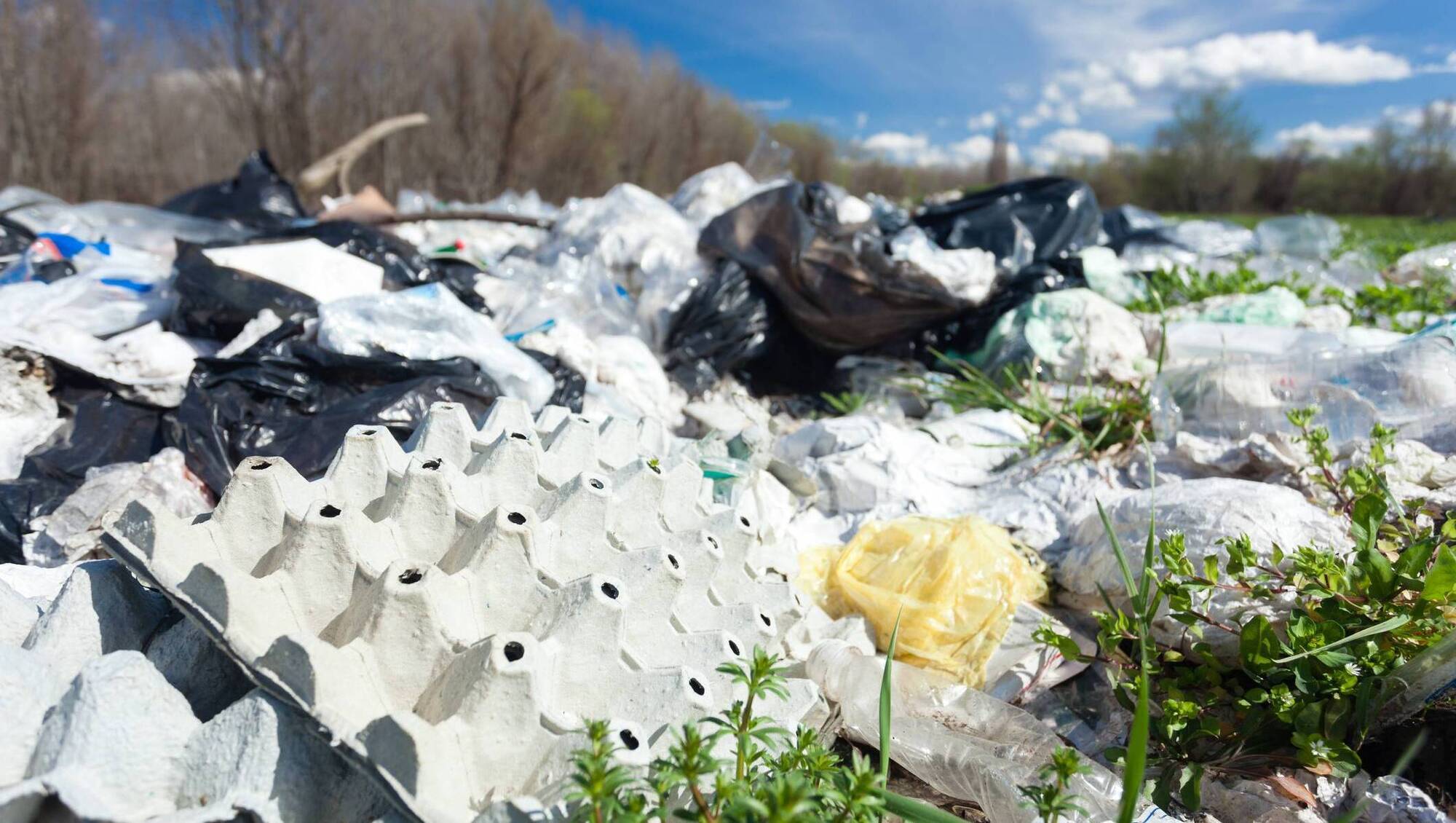
Where substantial waste is involved or where there are concerns regarding pollution or environmental damage, it may also be appropriate to engage with the relevant local authority or environmental authorities. File picture
Dear Reader,
A landowner is generally entitled to the exclusive use and enjoyment of their property, and that includes the right to prevent others from depositing waste or materials on their land without permission.
The first issue is to establish exactly what is being deposited and where. While this may seem obvious, boundary disputes occasionally arise where neighbouring landowners genuinely disagree as to where the boundary lies. It is therefore important to ensure that the material is, in fact, situated on your property.
Assuming the waste has been deposited on your land without consent, this may amount to trespass and could also potentially give rise to environmental concerns, depending on the nature of the materials involved.
The first practical step is to gather evidence. Photographs showing the waste, its location and the dates on which it appeared can be extremely useful. If the dumping has occurred over a period of time, keeping a diary of incidents may also assist. Where safe and appropriate, retaining evidence of the types of material involved can be helpful.
You should also consider whether the waste poses any risk to livestock, watercourses or the wider environment. Sharp metal, discarded machinery parts, agricultural plastics and certain other materials can create health and safety hazards for both animals and people.
In many cases, a direct conversation can resolve matters. However, where informal discussions have already taken place and the behaviour continues, a more formal approach may be required. A solicitor’s letter can place the neighbour on notice that the materials must be removed and that further dumping will not be tolerated.
Where substantial waste is involved or where there are concerns regarding pollution or environmental damage, it may also be appropriate to engage with the relevant local authority or environmental authorities. The precise course of action will depend on the nature of the material and the circumstances involved.
If the dumping has caused financial loss, such as the cost of removing the waste, repairing damaged land or addressing contamination issues, it may be possible to seek recovery of those losses. As with any legal claim, evidence of the losses incurred will be important.
It is also worth addressing the issue promptly. The longer waste remains on land, the more difficult and expensive it can become to remove. In addition, allowing the position to continue indefinitely can sometimes complicate matters from an evidential perspective.
From a farming perspective, maintaining good neighbourly relations is often important. However, that does not mean that a landowner must accept ongoing interference with their property rights. Most farmers take considerable pride in the condition of their lands and are entitled to expect that neighbouring landowners will respect those boundaries.
If informal efforts have failed, obtaining legal advice at an early stage can often bring matters to a resolution before the dispute escalates further. In many cases, a clear letter setting out the legal position is sufficient to secure the removal of the waste and prevent future incidents.
Ultimately, your land is not there for the disposal or storage of another person’s waste. Where materials have been deposited without permission, you are entitled to take steps to protect your property and require the responsible party to rectify the situation.
Email: info@walshandpartners.ie
While every effort is taken to ensure the accuracy of the information contained in this article, solicitor Alex Krupa does not accept responsibility for errors or omissions, howsoever arising. Readers should seek legal advice in relation to their particular circumstances at the earliest opportunity.