Brian Reidy: Quality feed on your doorstep
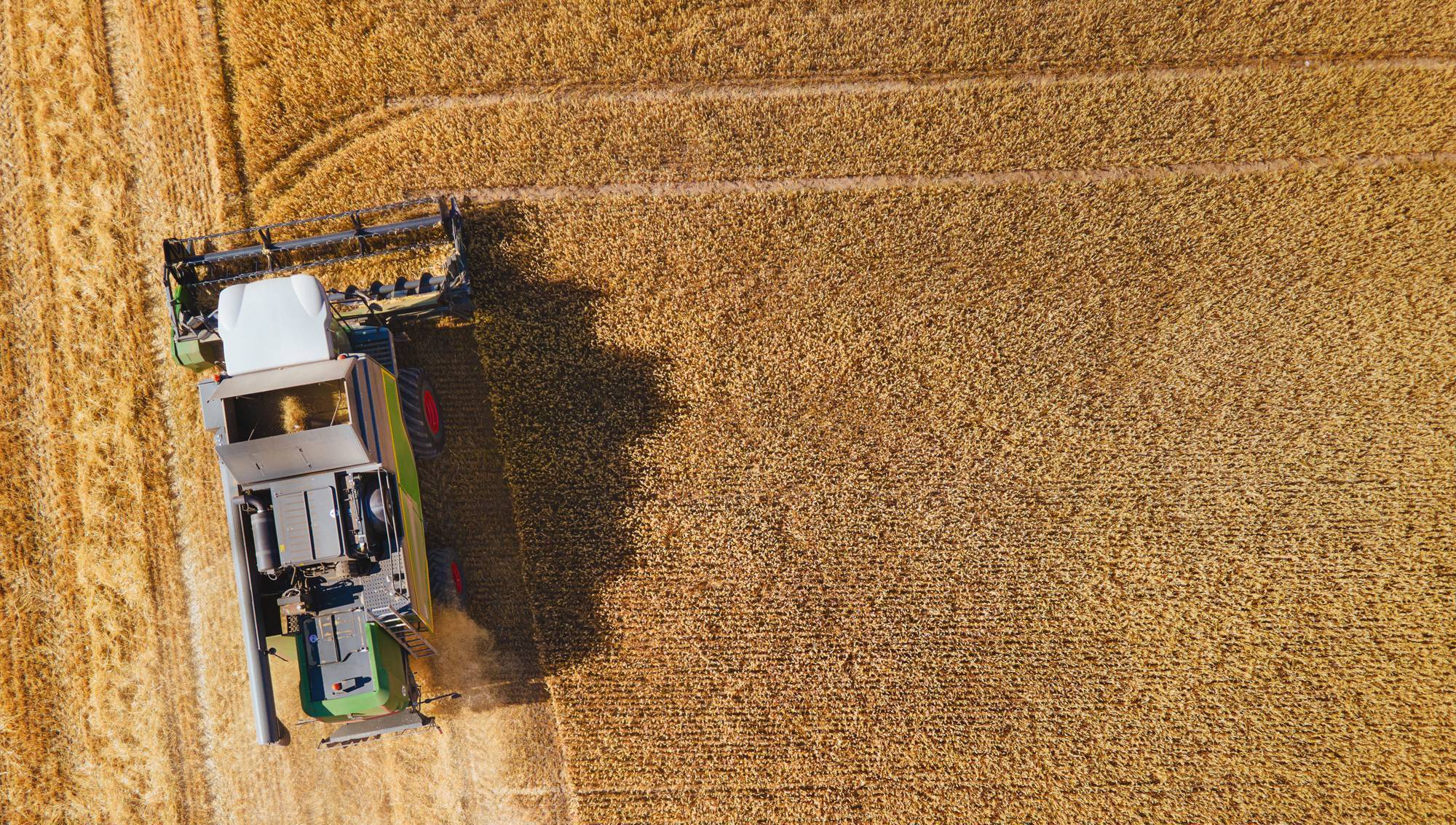
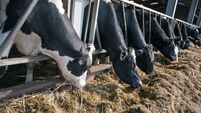
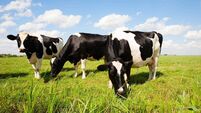
In the current drought scenario, the supplementation of dairy and beef herds with silage and native cereals ticks all the boxes, as opposed to carting inferior feed from halfway around the world.

As much of the country remains in a serious drought situation, discussions around suitable supplementation on beef and dairy farms continue.
What are herds trying to achieve? Is it maintenance of good performance or is it just to stave off hunger? Surely the aim should be to keep animals performing to their genetic potential.
I am hearing of many cases where spring herds are below 20 litres per head — and it’s only the start of August.
The messaging from our advisory services and some feed providers is baffling. Why can’t we try and help each other in Irish agriculture, instead of continuously scoring own goals?
PKE (palm kernel extract) seems to be all the rage. It has even taken on a new name in the form of “high-oil palm”, to make it sound better than it actually is.
They call it “monkey feed” in New Zealand — and not because monkeys eat it — and, over there, milk buyers now restrict its feeding among suppliers.
A blend of native Irish cereals, such as barley, wheat, rye and oats, is far better than palm kernel extract for supplementing dairy cows because it offers significantly higher energy density, superior digestibility, better milk protein yields and a substantially lower environmental footprint.
While PKE is an imported, high-fibre industrial by-product often used as a cheap forage stretcher, local grains serve as high-performance feeds that maximise a herd's genetic potential.
Livestock producers have so far in 2026 made plenty of grass silage, and maize silage crops look like having massive yield potential. With this being the case, forage supply will not be an issue.
In the current drought scenario, the supplementation of dairy and beef herds with silage and native cereals ticks all the boxes, as opposed to carting inferior feed from halfway around the world.
Key nutritional and environmental differences to consider
- The energy value (UFL) of a native Irish cereal blend is high (~1.0 UFL), the benchmark for lactating dairy cows, while the UFL of palm kernel extract is moderate (~0.85 UFL), providing 15% less energy than barley.
- The DMD of native cereals is excellent (~90% DMD), while PKE is poor (~65% DMD).
- In terms of nutrition delivered, native cereals provide a high-starch feed, giving livestock a quality source of highly digestible carbohydrates. PKE is high in neutral detergent fibre (NDF) and oil/fats.
- Native cereal blends drive milk volume and milk protein percentage, while PKE can increase milk fat but depress the protein-to-fat ratio.
- Locally produced cereals are highly palatable, resulting in fast intake in the parlour or at easy feed. PKE is unpalatable, with high refusal rates if fed at over 3kg. If cows are self-regulating on any feed, then what does that tell you about that feed?
- In terms of carbon footprint, Irish-grown cereals are very low: locally produced with minimal transport, while PKE has a high footprint linked to global deforestation, destruction of wildlife habitats and shipping emissions.
In Irish dairy systems, energy is almost always the most limiting nutrient for high-yielding dairy cows.
Feeds are measured using the UFL system, where 1 UFL equals the energy of 1kg of dry barley. A native Irish blend of barley, wheat, rye or oats supplies close to 1.0 UFL, while palm kernel only supplies roughly 0.85 UFL.
Therefore, feeding PKE means cows must consume more physical mass just to meet their baseline energy requirements for lactation.
Last I checked, the two options are costing roughly the same price per tonne.
Irish grains have a dry matter digestibility (DMD) nearing 90%, meaning the cow's rumen processes them highly efficiently into volatile fatty acids.
PKE drops down to a 65% DMD due to its heavily processed, fibrous nature. Furthermore, PKE is notoriously dusty, dry and unpalatable.
Cows will regularly refuse PKE when offered quantities above 3kg per day, whereas a rolled native cereal blend fed in a well-managed system will achieve excellent intakes by the herd.
As the starch in Irish cereals promotes a strong rumen fermentation profile, it fuels the synthesis of microbial protein, which directly increases milk protein percentage and overall milk yield. This keeps total kg of milk solids up.
Conversely, PKE contains high levels of structural oils. While this can temporarily boost milk fat, it induces a negative relationship on the milk protein-to-fat ratio.
For Irish farmers operating on A+B-C milk-pricing structures, where protein is worth significantly more than fat, PKE can devalue the milk cheque.
Only last week, we saw that co-ops are beginning to put even more emphasis on the value of protein in Irish milk.
While a cereal blend is fundamentally a better production fuel, it requires some management compared to PKE:
- Acidosis risk: The high starch content in barley, rye and oats — and more particularly in wheat — digests rapidly. If fed in higher amounts in the parlour (>3kg in a single parlour feeding) without adequate dietary forage, it can potentially cause rumen acidosis. Obviously, in a drought, silage will be required as part of the supplementation of livestock, and incorporating cereals in or on the forage will negate the risk of digestive upset.
- Fibre balance: PKE requires zero management for acidosis because its energy comes from fibre rather than starch. When using a cereal blend, cows must have access to quality forage to maintain a healthy rumen mat.
Using locally grown cereals drastically improves the farm's carbon footprint.
Even if the auditing system doesn’t ask about the origin of the feed just yet — and you would have to wonder why that is — shifting from palm-based fats to native alternatives will result in a significant reduction in the farm's carbon footprint.
A blend of native Irish cereals is better than palm kernel because it delivers 15% more net energy (UFL) per kilogram, features a 90% digestibility rate and actively drives profitable milk protein percentages, while supporting local tillage farming and lowering the herd's carbon footprint.
Palm oil is beginning to replace milk more and more in many food products, such as chocolate, and this is a disaster for the dairy industry.
Livestock producers and feed providers should not be supporting an industry that is damaging demand for Irish dairy products.
Advice, services and products don’t have to come from hundreds or thousands of miles away to be better. In many cases, what you should be using on-farm is next door.