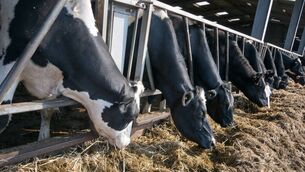
Managing the dairy herd this winter — nutrition plans for performance and animal health
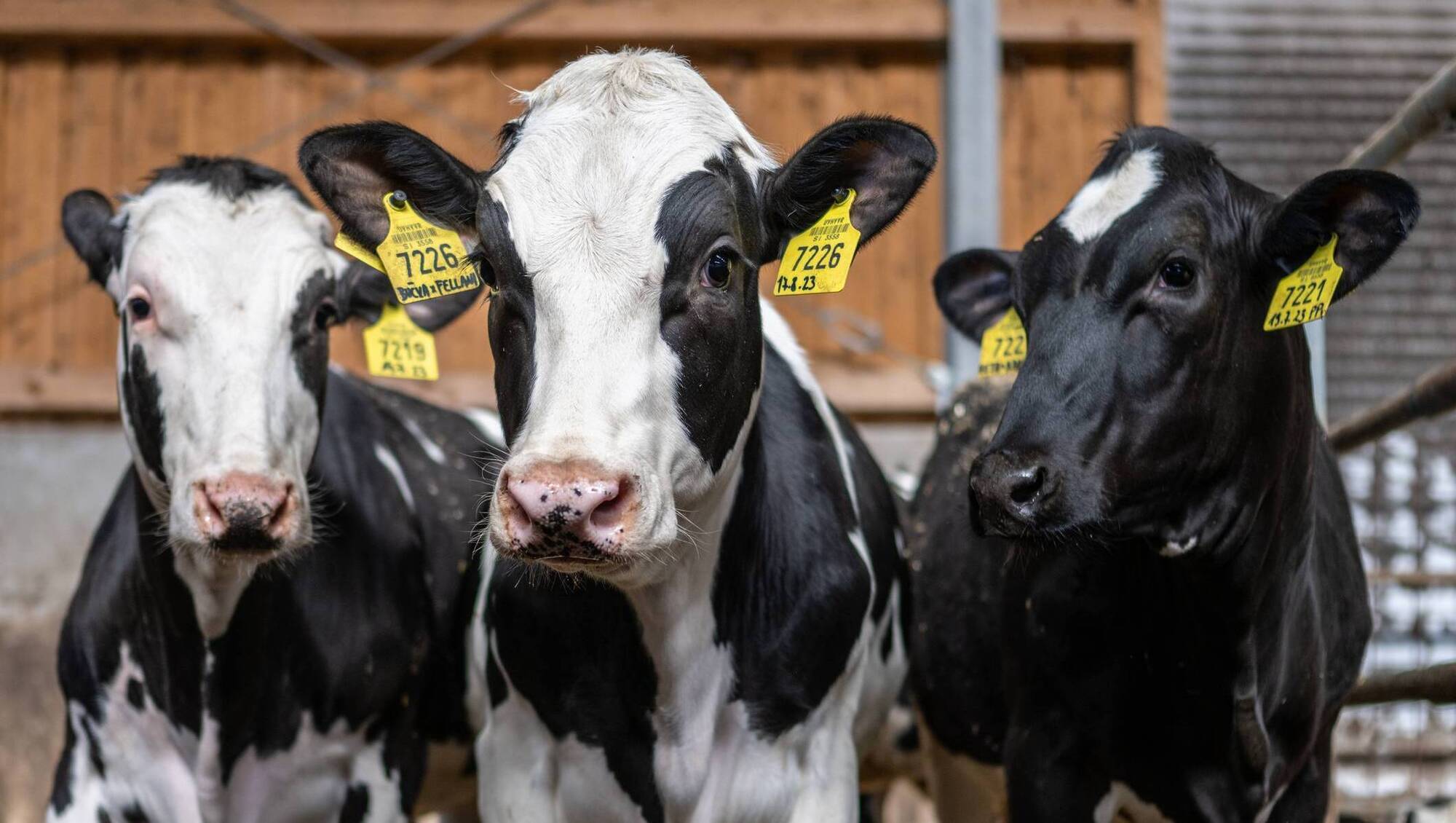
With young stock, the better you grow your heifers, the more mature an animal you have entering the herd in the first lactation, writes Brian Reidy.

As I write, there is a settled spell in the forecast, meaning grazing can continue in some capacity for most parts of the country. With a fodder deficit in some areas, extended grazing is very welcome. Producers, however, need to be careful not to graze for too long and end up with an excessively low closing cover, which will result in a delay to turnout next spring.
As we enter November and spring dairy herds are now in by night, there are three main areas to focus on with diet formulation:
- Heifer rearing/growing;
- Dry cow management;
- Late lactation management.
With young stock, the better you grow your heifers, the more mature an animal you have entering the herd in the first lactation, which means the transition from being a heifer to a cow is much smoother. This animal needs to do significantly less growth in her first lactation, which means she can produce milk, maintain body condition and go back in calf much more efficiently.
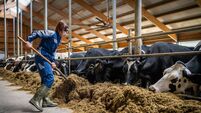
For replacement heifers entering the shed this winter, it is important they grow efficiently throughout the whole housing period. For this to be achieved, it is critical sufficient protein and digestible fibre are supplied to these animals, as these will enable them to grow frame.
Under-supplying protein or over-supplying energy results in these heifers putting on excessive body condition and not growing correctly. Developing these animals frame-wise will allow them to consume large volumes of grass when they go to pasture next spring prior to them being bred. These heifers need to have a diet which is 16% protein on a dry matter basis for the duration of the winter.
With most grass silages this year being low in protein, with the vast majority of them between 10 and 13% protein, the concentrate required to complement this grass silage should be in the region of 19% to 20% protein if fed at the typical 1.5 to 2 kg per head per day. The target should be to achieve in excess of 0.8kg live weight gain per day in frame development from those heifers.
Read More
However, as I mentioned above, weight gain should not be the main driver for these heifers. Height and size at maturity are the key elements. Many weigh their heifers in the spring to establish if they are strong enough to be inseminated; however, in my opinion, if you have to weigh an animal to establish whether they are fit for the bull or not, it is very likely they are not fit.
Where some of your replacement heifers for next spring are behind targets, perhaps it would be worth considering dividing those animals into a separate group and feeding them accordingly to try and catch up with the main group. It is much easier to do this at the start of the winter rather than discovering animals are behind when it is too late, and you are chasing growth up to the point of breeding.
A large proportion of spring calving cows will be dried off in the coming weeks. Once these cows are dried off, the aim then must be to maintain these cows through the dry period, to enable a smooth transition to lactation next spring.
The delivery of a healthy calf with minimal complications along with the prevention of metabolic disorders in the cow should be foremost in any dry cow strategy. With this in mind it is ideal cows are dried off in close to the body condition you want to calve them down in. Aiming to dry cows off in a body condition of 2.75 to 3 will mean you do not have to adjust body condition through the dry period.
Any dry cow diet needs to supply sufficient energy and protein to maintain body condition while also helping to produce the new mammary cells for the next lactation, and also efficiently while not excessively growing the calf that will be born next spring.
Mineral supplementation in the dry cow is also very important to aid a smooth transition for the cow into lactation. An excellent management tool in dry cow management is to include some level of concentrates pre-calving to help the Rumen bug population to grow sufficiently to transition to the milking cow diet as quickly as possible to reduce nutritional stress on those cows in early lactation.
A good first step if you have been having transitional issues and metabolic disorders in the past is to get your silage tested for minerals. This will help you to establish any antagonists which can tie up essential mineral elements and any deficiencies or excesses which may be prevalent in your forage.
Obviously, this will have a negative effect on the newborn calf, where insufficient antibody transfer is achieved in the required time. To address this issue, it is advisable to supplement with some protein in the weeks leading up to calving.
At this time of year, late lactation cows will be heading towards their dry-off days; however, how you feed these in the last number of weeks pre-drying off can have an adverse effect on body condition.
If a cow is thin right now, the opportunity is there to build body condition before the cow is dried off; this is more efficient than trying to gain weight after drying off, as after drying off a cow lays down fat, which she will again mobilise post-calving if she requires extra energy in transition.
Obviously, later-calving cows you intend to milk through the winter, who are further away from calving, will significantly benefit from an increase in their plane of nutrition, resulting in extra yield right through the winter.
Again, it is important you know the quality of your silage when feeding late lactation cows to make sure you are supplying the correct supplementation.
Poor quality second-cut silages this year will require additional supplementation to maintain body condition and animal performance. Cows can lose a lot of body condition before you notice is at this time of the year when they go indoors; it really is important to make sure you supply sufficient nutrients to make sure this doesn't happen in your herd.
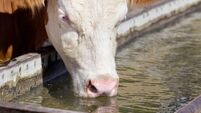
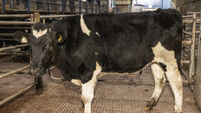
Lameness can also be a major issue in late lactation cows when they go back indoors for the winter; keep on top of this to avoid issues next spring. if cows are on very dry silage, you must also keep a close eye on water troughs to make sure they have a sufficient supply.
- Brian Reidy is an independent ruminant nutritionist at Premier Farm Nutrition. His column features in the every Thursday