Brian Reidy: Autumn Sucklers Calving on the horizon
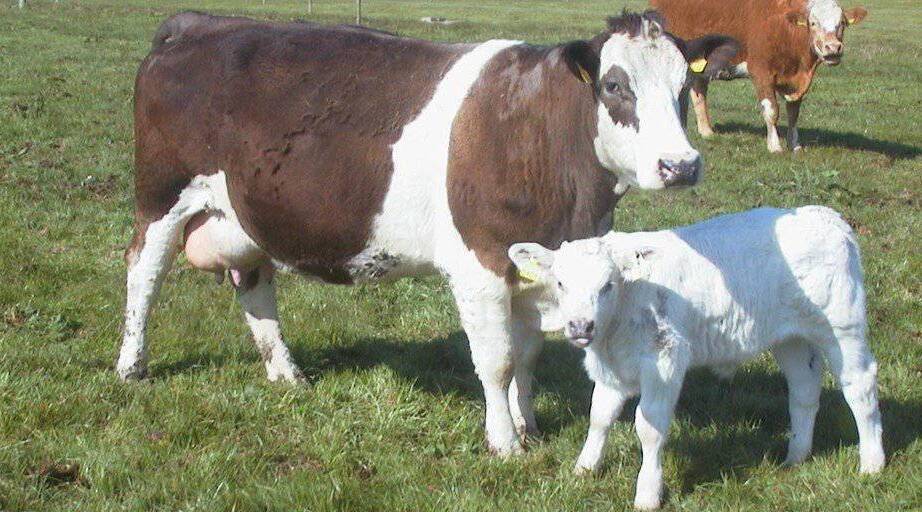
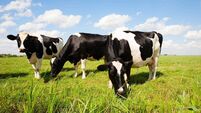
At this time of year most suckler’s will calve cows while outdoors.

As we head into August and the evenings begin to close in, the autumn suckler herd will soon start calving. Herd owners with autumn herds must now turn their attention to plans for a successful calving season, healthy calves and optimising performance from autumn grass.
After the recent drought, growth is virtually non-existent, meaning the quality and quantity of grass available to freshly calved cows will be a major concern. I have all of my September calvers weaned at this stage and will soon wean the October calvers.
With a deficit of grass at present, I have dried off cows indoors on wheat straw for 72 hours and then introduced coarse grass silage indoors after that, before moving to a bare paddock after 10/11 days. This has taken pressure off grazing but without rain is only a minor help.
If we don’t get rain soon and with a 80/90 mm soil moisture deficit, grass will be very scarce for cows rearing new born calves. We will have to come up with a silage and meal based early lactation nutrition plan until grass growth returns.
At this time of year most suckler’s will calve cows while outdoors. Take care though that you have everything ready for action indoors just in case you need to assist any births. Disinfect calving boxes before the season gets going. Check that the water troughs in the calving boxes are ok.
Check the calving Jack and ensure that it is working and that the 2 ropes are sound. Ensure that your calving camera is working correctly. Is your calving gate fully functioning? A we all know, a few suckler cows can get aggressive around calving so properly working equipment is essential.
If you have family or outside help, make sure that you have identified historically aggressive cows that still remain in the herd. Always err on the side of caution and if you are in doubt about a calving call your vet sooner rather than later.
You really can’t afford to have suckler’s over conditioned at calving. Cows should be dried off in the condition you would like to calve them in. Suckler cows that are too fat at calving tend to have more difficult calving’s and metabolic disorders, such as milk fever and held cleanings. This may also have a negative effect on subsequent fertility performance.
Keeping cows on a low plain of nutrition may involve dry cows running behind young-stock, cows with calves or finishers. If and when we get a return to normal grass growth, then, this will mean that the animals requiring higher energy will get the best of the grass and the dry cows can tidy up behind. It is important for grass quality that the dry cows follow the other stock within 24-48 hours, otherwise they will eat regrowth’s rather than the stronger grass left behind. Regrowth’s are generally very high in Potassium and can cause higher levels of Milk Fever and held cleanings.
If you do end up grazing dry suckler’s on good quality swards, then you should use a strip wire and consider supplementing with some straw to restrict total energy intake.
Keep a good quality pre calver mineral in front of all dry suckler’s for at least 4 to 5 weeks before calving. If you are aware of a specific mineral deficiency on your farm, then you may need to give cows a bolus or get a specific mineral premix made up for your herd.
Once born it is essential to get sufficient colostrum into calves. If calves are slow to drink or cows won’t stand, get them indoors so that you can milk the cow and get the calf fed. Put cows and calves onto good quality grass if it is available as soon as possible to boost the cow’s energy intake for milk production and recovery. If no quality grass is available, then you will need to supplement with a quality meal on coarser low-quality grass and in most cases with quality bale silage. This is essential to provide sufficient nutrition for the calf and also help the next breeding season to run more smoothly. Monitor cows in the first few days after calving and don’t forget to supplement with magnesium.
Read More