Paula Hynes: Different dairy systems deserve understanding — not criticism
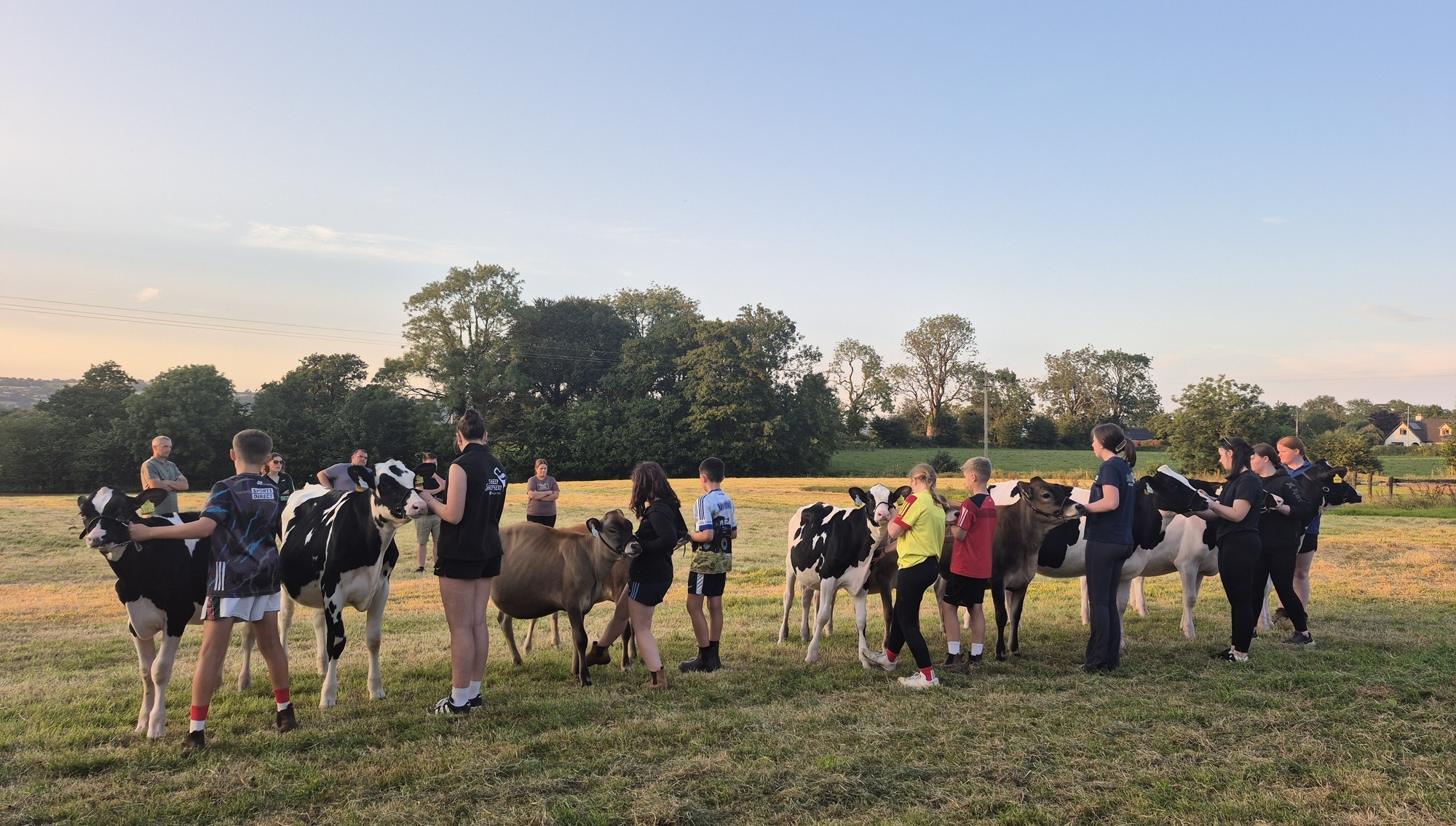
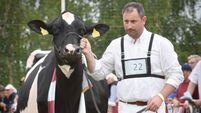
The Cork YMA team getting in some showmanship practice before the FBD IHFA National YMA Finals in Kilkenny.

It has been another scorching week of sunshine, with temperatures climbing high again for the weekend, making working life uncomfortable and trying to sleep even more uncomfortable at night-time. I suppose, after all the cold and damp weather we had through the spring, fine weather is welcome and I certainly do love the sunshine. However, it does have its negative impacts. Grass growth has slowed dramatically and, with no rain in sight over the next few days, it looks as if paddocks will start to burn up as drought sets in.
Even non-farming folk are feeling the impacts as hosepipe bans are implemented across the country. However, we are lucky that we have two deep wells on the farm, so water is never an issue.
I think back to 2018, when we had a severe drought and all dairy farmers were supplementary feeding cows for weeks. The advice at the time was to continue spreading fertiliser. However, I think we can all agree that grass does not grow without moisture and, as many of us now use protected urea, the product will not be activated without some form of rain.
In 2018, when the rain finally did arrive, we found we had a nitrogen surge in grass which actually killed one of our cows when she got bloat, and there was no clover whatsoever in the field.
Personally, I think each farmer should judge their own farm and grass situation, as some farms burn up faster than others. The most important thing of all is to watch the forecast closely to be certain rain is arriving before using fertiliser.
I also noticed a recent discussion on social media surrounding zero grazing and Bord Bia grass-fed standards. Now, it is easy to be judgmental and say cows should be out in fields grazing, and that is what the consumer predominantly wants. What the consumer needs to understand is that roads have become so busy that it is often impossible to move cows across many roads to allow them to graze in fields.
Similarly, weather patterns have dramatically changed, so there are wetter times of the year, more drought conditions and grazing ultimately becomes more and more of a challenge.
Zero grazing, where a tractor and machine cut grass and transport it back to the main farmyard for cows to eat, is an extremely useful tool, ensuring that dairy herds are grass-fed. The consumer needs to be fully aware that, where possible, farmers ensure grass is the maximum part of a cow’s diet, as it is the cheapest source of feed.
To suggest in any way that zero grazing should not qualify as grass-fed is ridiculous, as we could also then say that any dairy herd supplementing with silage bales or palm kernel during the current drought conditions should also not qualify as grass-fed. The reality is that they are grass-fed, but if they are challenged by weather conditions or logistics, then grass needs to be brought to them.
Farms are all very individual. Some are more exposed and some have more shelter. If cows lack shelter in the current high temperatures, then they will suffer from heat stress. It is far more animal welfare-friendly for a cow to be standing in the shade inside a shed eating zero-grazed grass than to be standing out in the baking sunshine in mid-afternoon.
It is easy for anyone or any consumer to judge standards, but to judge without fully understanding how the dairy system works is uneducated judgement.
Trust is the greatest thing the consumer has and I believe that consumers need to trust farmers. Bord Bia and the standards we operate under are the highest in the world, where welfare is a priority, where grass-fed is a priority and where food quality and safety are the very best. That is why Irish dairy products are so well trusted around the world.
The next thing we know, someone will be claiming that our farm does not deserve Bord Bia-approved status, as our show cows are not grazing 24 hours a day in the summer and our young show heifers are not out running around the fields. However, I would challenge anyone to visit our farm and see first-hand the high welfare standards and management that go into keeping a show animal in peak condition.
Rather than criticising Bord Bia simply because people do not understand or agree with other systems, perhaps people should remember that every other country envies Bord Bia and how it markets Irish food and drink globally because it has put Ireland on the map but, more importantly, put Ireland on tables, in glasses, in restaurants and supermarkets right across the world.
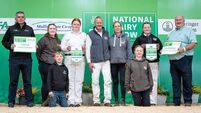
With the FBD IHFA National YMA Finals being held in Kilkenny this week, we had the Cork YMA team with us on numerous occasions last week.
They held a showmanship training evening on the Tuesday night, so we mowed and baled the paddock beside the yard beforehand so they would have ample room to practise their skills. They invited Emma Behan and Paul Murphy down to coach them, and they couldn’t have asked for a better, more experienced couple.
Paul and Emma spent over an hour putting them all through their paces, and it was wonderful to see such a hard-working team out with all our heifers as the sun was setting.
More showmanship members visited on individual days to get in extra practice, and the club was here again on Thursday and Friday as they worked together to design and paint the Cork YMA stand for Kilkenny, doing everything possible to ensure they advertise their club, which they are all so proud of.
Win, lose or draw in Kilkenny, the most important thing is that they have worked together as a team, made friends and learnt that, in order to succeed, you have a far greater chance when you pull together and support each other.
For now, all I can say is, “Up the Rebels”, but you will have to wait for my next article to hear the results. Hopefully, Cork YMA will return with trophies and rosettes and, most importantly, memories that will last a lifetime.