Ask a solicitor: Getting a farm transfer right from the start
Before progressing, it is equally important to ensure that your own security is protected. Transferring a farm often involves disposing of your most valuable asset, and appropriate safeguards should be put in place, writes rural solicitor Deirdre Rafferty.
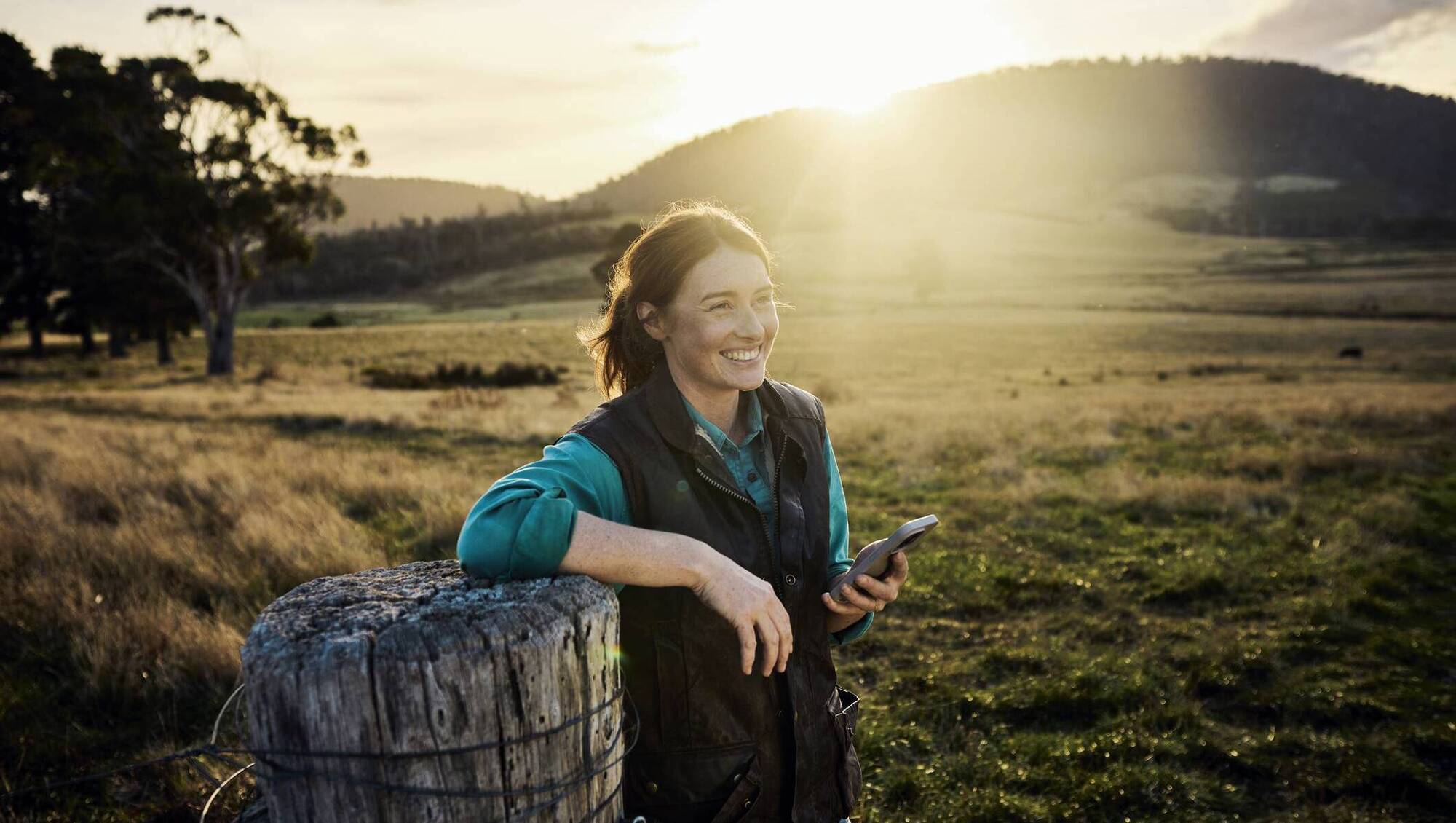
While she did not originally intend to farm, she has taken on more responsibility and is now effectively managing the day-to-day operations.
Your situation reflects a common stage in the lifecycle of many family farms, where a successor emerges over time rather than being identified from the outset. The decision to transfer ownership is a significant one and, when approached carefully, can secure both the future of the farm and your own financial position.
From a legal perspective, a transfer of this nature requires both practical and strategic planning. One of the key considerations you have identified is timing, particularly where your daughter is approaching an age threshold. Under current Irish tax provisions, reliefs such as Young Trained Farmer Stamp Duty Relief may be available, but these are subject to strict conditions, including age limits, appropriate agricultural qualifications and active farming requirements. Where available, these reliefs can represent a significant saving, and early consideration of eligibility is essential.
This commonly includes retaining a right of residence in the farmhouse, together with provisions to ensure your ongoing financial support where necessary. These arrangements can be formally documented as part of the transfer to ensure clarity and legal protection.
A further practical step involves obtaining an accurate valuation of the property and associated assets. This will typically include not only the land itself, but also any residential element, farm entitlements, livestock and equipment where relevant. A proper valuation is key from both a tax and structuring perspective.
Depending on how the transfer is to be structured, mapping may also be required. Where part of the holding is being retained, or specific rights are to be reserved, Land Registry-compliant maps will be necessary to clearly define boundaries and ensure the transaction can be registered without issue.
Your solicitor will also need to examine the underlying title to the property. Where lands are subject to existing charges, mortgages or historic burdens, these must be addressed as part of the process. It is not uncommon for legacy issues to arise during this review, and resolving them at an early stage helps avoid delays later.
Where a dwelling house is included in the transfer, different stamp duty treatment may apply compared to agricultural land, and this should be factored into the overall structure. In addition, any retained rights, such as a right of residence, may affect how the transaction is assessed for tax purposes.
From your daughter’s perspective, it is important that she is in a position to meet any relevant conditions attached to tax reliefs. This may involve holding recognised qualifications or having a farm business plan demonstrating a commitment to the commercial operation of the land. These are practical steps that should be addressed in advance to avoid complications.
Alongside legal input, early engagement with a tax advisor is strongly recommended. Farm transfers can involve Capital Gains Tax, Capital Acquisitions Tax and stamp duty considerations. However, with proper planning, a range of reliefs may be available which can significantly reduce the overall tax exposure.
While a transfer can be progressed within a relatively short timeframe where necessary, it is generally advisable to allow sufficient time to ensure that all elements are carefully considered and properly documented. Once completed, the transaction will be finalised through the execution of the relevant deeds, submission to Revenue and registration with Tailte Éireann.
Beyond the legal and tax considerations, it is worth recognising that this is also a significant personal transition. Thoughtful planning allows the farm to pass into the next generation in a structured way, while ensuring that your own position remains secure.
You may wish to engage a solicitor at an early stage to guide you through the process and help structure the transfer in a way that reflects both your intentions and the practical realities of the farm going forward.
Deirdre Rafferty is an experienced litigator who joined Walsh & Partners LLP in 2025. She practices in the areas of litigation and private client matters, predominantly in relation to Supreme Court, Court of Appeal, High and Circuit Court matters.
Email: info@walshandpartners.ie Web: walshandpartners.ie While every effort is taken to ensure the accuracy of the information contained in this article, solicitor Deirdre Rafferty does not accept responsibility for errors or omissions, howsoever arising. Readers should seek legal advice in relation to their particular circumstances at the earliest opportunity.