Agricultural emissions stagnate despite drop in cattle numbers
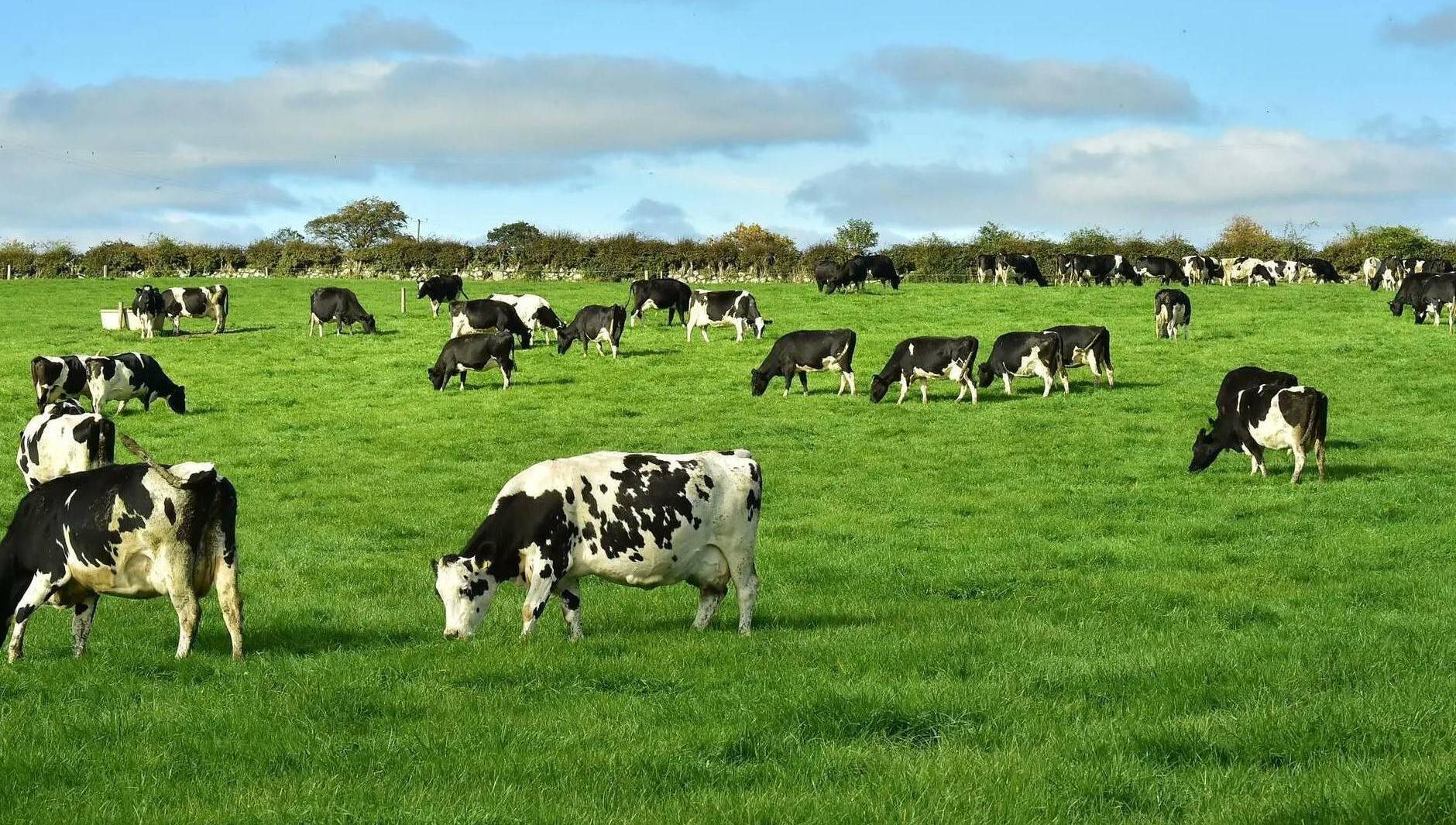
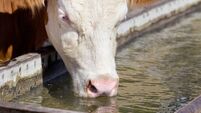
The report explained that the emission savings from having a 3.3% decline in livestock numbers did not translate into a meaningful reduction because they were effectively cancelled out by increased farm output and fertiliser use. File picture
Irish agricultural emissions barely fell over the last year despite a 3.3% drop in cattle numbers.
The revelation comes as the Environmental Protection Agency (EPA) published its provisional greenhouse gas emissions for Ireland for 2025.
According to the report, agriculture remains by far the largest single source of Ireland's emissions, accounting for about 39%, excluding land use, land-use change, and forestry (LULUCF), contributing 20.4 Mt out of Ireland's total 52.65 Mt.
However, over this period, the sector's emissions fell by just 0.2% (0.04 Mt CO2 equivalent) to 20.398 Mt — the smallest reduction of any major industry.
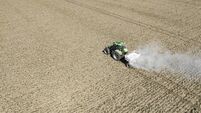
The report explained that the emission savings from having a 3.3% decline in livestock numbers did not translate into a meaningful emissions reduction because they were effectively cancelled out by increased farm output and fertiliser use — specifically, a 12.7% increase in nitrogen fertiliser use and a 4.8% increase in milk production.
Overall, the figures show a reduction of 2.2% or 1.2 Mt CO2eq compared to 2024, with emission reductions across all the main sectors.
However, greenhouse gas emissions now need to decrease by over 10% each year to 2030 to meet the national climate target of a 51% reduction on 2018 levels.
Commenting on the report's headline figure, EPA director general Eimear Cotter said: “This is the fourth year in a row that Ireland’s greenhouse gas emissions have reduced, which is welcome in the context of a growing economy and population.
"However, with just four years to 2030, Ireland needs to accelerate delivery and achieve much deeper annual reductions to meet our climate targets.
“The evidence shows that clear prioritisation and sustained investment can deliver emissions reductions.
"Since 2005, emissions covered by the Emissions Trading System, including large point sources such as power generation, have fallen by over 52%.
"By contrast, greenhouse gas emissions from agriculture, transport and buildings have collectively fallen by only 12%.
"This highlights the key challenge for Ireland to reduce emissions from dispersed emission sources.
"The priority now is to accelerate delivery in these sectors by removing barriers and making low-carbon choices practical, affordable, and attractive.”