Dutch researchers challenge ‘feeding the world’ claim
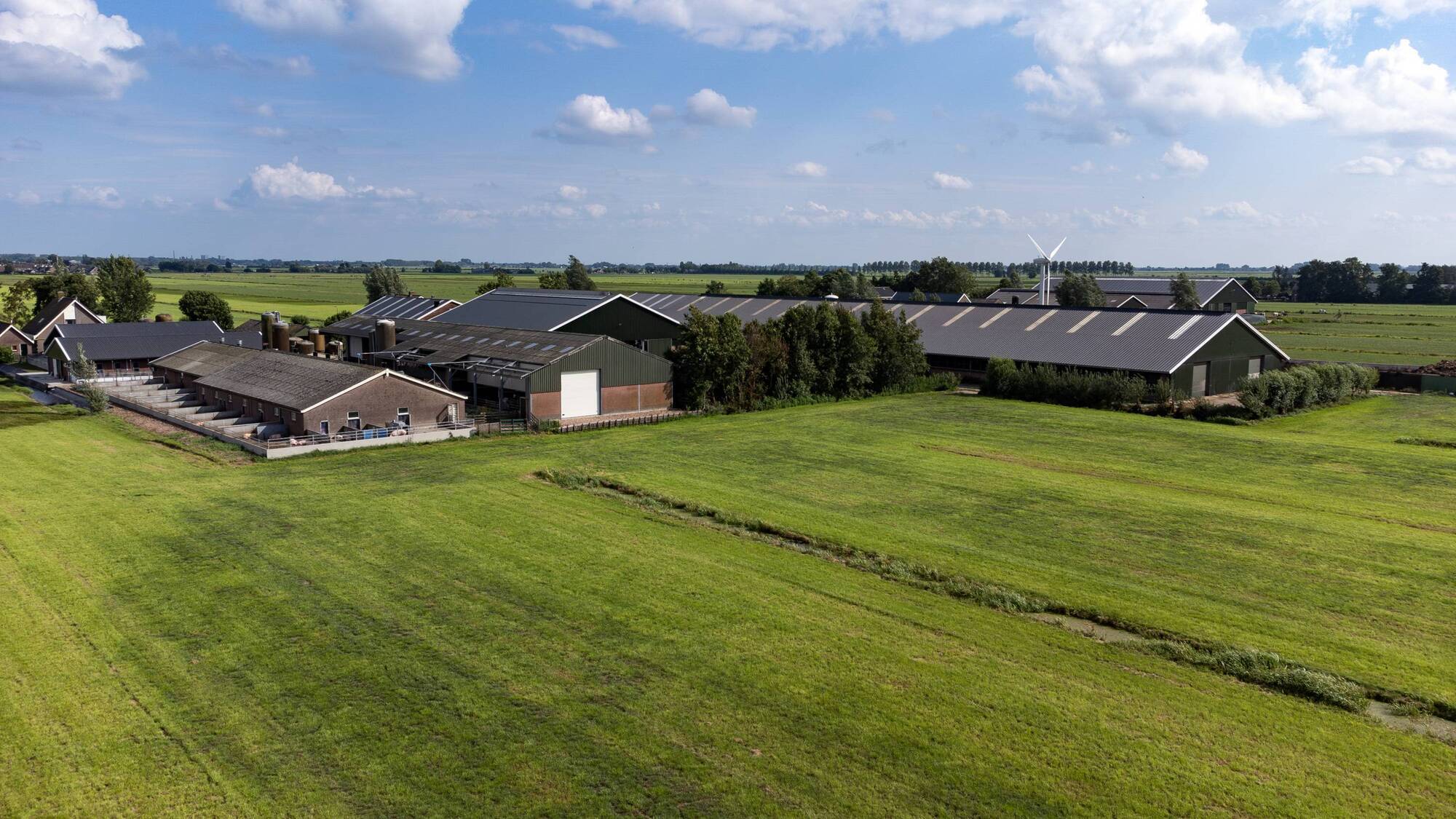
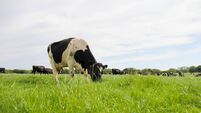
Dutch agriculture uses about 1.6 million hectares in the Netherlands, but the country’s food production, consumption and exports require about 4.7 million hectares of agricultural land abroad, experts say. File picture
Dutch researchers have debunked their country’s “feeding the world” narrative with findings the Netherlands imports more calories and protein than it exports.
The experts from the country’s prestigious Wageningen University & Research said Dutch agriculture uses about 1.6 million hectares in the Netherlands, but the country’s food production, consumption and exports require about 4.7 million hectares of agricultural land abroad.
This land abroad is used to produce food and, above all, animal feed the Netherlands imports.
To use the least land, the Dutch should change to a largely plant-based diet, including small amounts of animal products, such as dairy, fish, eggs and meat, the researchers said. These animal products would mainly come from animals eating grass, residual streams and by-products, material that people cannot eat directly, or that does not come from land suitable for food crops.
The researchers said their “exploration of theoretical possibilities” did not examine economic consequences in agriculture, trade and consumption, nor social wellbeing.
But the findings show what is possible from the perspective of land use, food flows, and nutritional value, and where the current view of Dutch agriculture reaches its limits.
Led by Imke de Boer, a professor in livestock and sustainable food systems, the researchers said the Dutch contribution to the global food supply through net food exports is far more limited than is often assumed.
They calculated the Netherlands would require all its available agricultural land to produce the current diet of its own population from its own land, with products not grown in the Netherlands replaced by locally available alternatives.
There would then be no room left for food production for export, nor for other societal goals such as sustainable bio-based materials, bioenergy, or more land for nature.
Livestock farming plays a major role in this. Imported animal feed enables high animal numbers and the export of animal products. So the current export position is tied to land use outside the Netherlands.
However, the researchers do not support abolishing food trade. They said trade could be useful, for example when products cannot be grown in the Netherlands, such as coffee or citrus fruit.
But they said future food exports should be mainly plant-based, with products from animals that mainly eat regionally available biomass that is not suitable for direct human consumption.
“The Netherlands certainly has an important role in food and agriculture,” said De Boer.
“But that role no longer lies in high-volume exports. Our strength may instead lie in planting material, knowledge and innovations that help other countries produce and consume food more sustainably.”