Herd health planning paying dividends on Future Beef farms
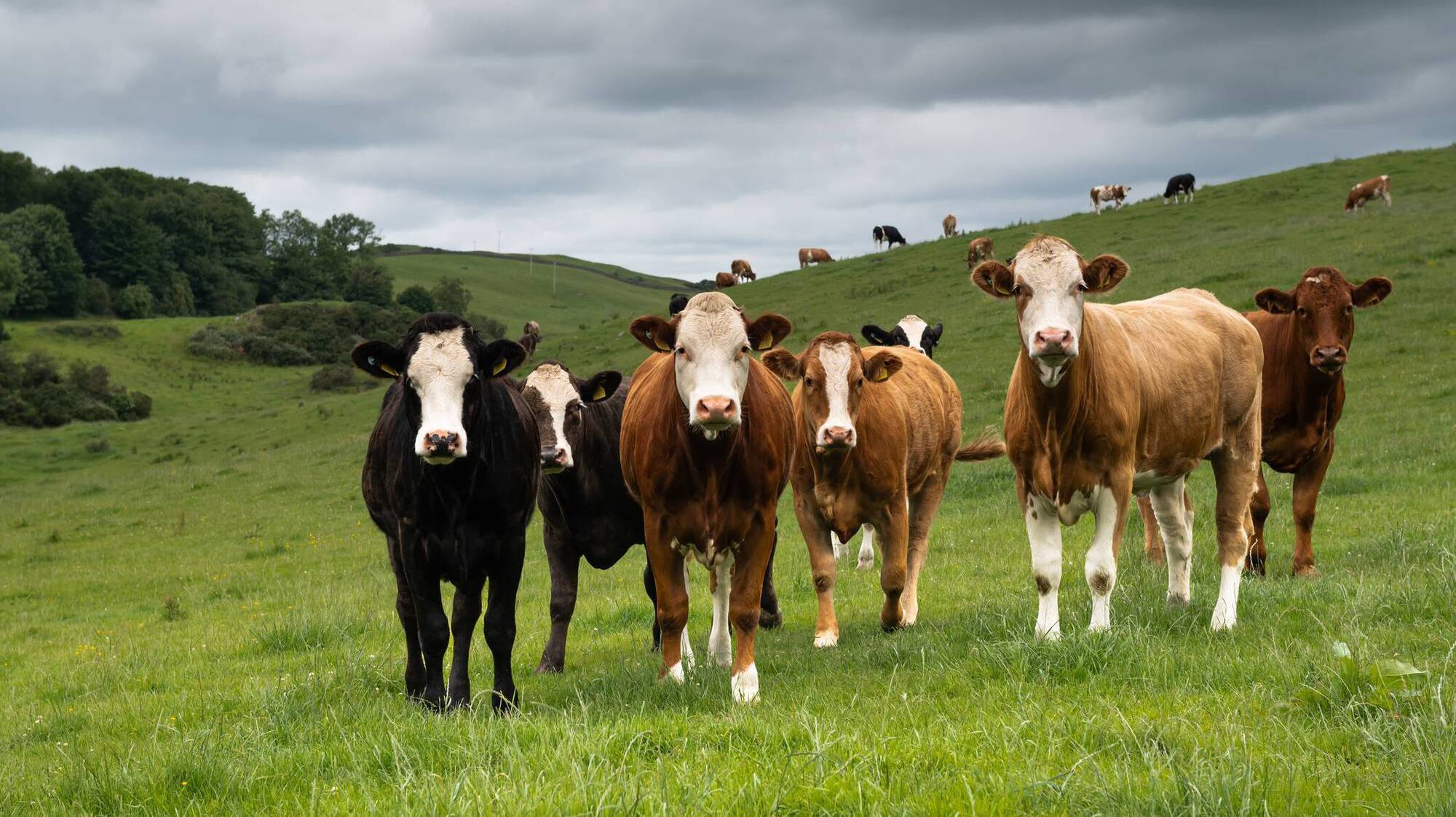
Within the programme, 80% of the participating farmers are calving their heifers at 24 months.
Nothing is left to chance in herd health protection, on the 23 Teagasc Future Beef demonstration farms countrywide.
“When we started the programme, we talked to the farmers within it and said, listen, you really need to have a good chat with your vet and have a really comprehensive health plan on your farm,” said programme manager Martina Harrington in a recent Beef Edge podcast.
“If an issue comes up on the farms, we said to the lads, you go out and blood sample. If you have an issue, pre-breeding or at calving or whatever else, if you've weaker calves, we don't guess what it is. You'll do faecal samples, or you'll get the cows blooded, and then you'll know exactly what it is, and we'll go in and treat,” Harrington explained.
The programme demonstrates more profitable beef farming which is more environmentally and socially sustainable.
Read More
Suckler beef was the topic in the podcast.
“At the pre-calving and the calving stage, a lot of the lads are vaccinating for rotavirus and coronavirus, and some of them would have had issues with cryptosporidium. They knew those issues, and they're going in and they're vaccinating now, which a lot of them are saying is working really well,” said Harrington.
“The other big focus then moves to making sure that those vaccines are getting into the calves, so having really good, high-quality colostrum, feeding good-quality silage with good protein in it. When we test the silages, we like to see them up around that 14% protein, just to make sure that there's good milk,” Harrington said.
“We've done a lot of work with farmers, sitting down and looking at mineral bags, and seeing what is the exact mineral within them, and then making sure that they're fed six weeks pre-calving. That gives that extra vitality to calves when they're born, and then they'll get a good suck.”
“When we flip over then onto the weaning side, we're really looking at that whole pneumonia side of things and stress. We have minimised stress on calves,” Harrington said.
“A lot of the programme farmers are using two-shot programmes for pneumonia, making sure that they're given in plenty of time. Most of our lads are starting early to mid-August, getting in that first shot, coming back four weeks later, getting in the second shot, and then maybe an IBR with that.
“Then, pre-weaning, you're looking at trying to get those lungs cleaned out before housing or sale. We recommend an ivermectin going in three, four weeks before housing or sale, just to clean out the lungs, and so that those lungs are healed before animals are going on transport, going into marts or going into the shed,” she explained.
“Like any beef production system, suckler beef production is really based around selling as many kilos of beef off the farm as possible and producing that beef as cheaply as possible.”
Within the programme, 80% of the participating farmers are calving their heifers at 24 months.
“Looking at some stats that we're running for Beef 2026, those heifers that are calving at 24 months have a much greater likelihood, three and a half times more likely, to stay in the herd up to their fifth parity,” Harrington said.
“Your calf per cow per year is your output.”
“The genetics in the herd are massively important,” she stressed.
“You have to breed your balanced cow for milk, fertility and carcass weight,” said Edwin Carroll, Teagasc Grange Research technologist, also taking part in the podcast.
Martina Harrington said good grassland management saved farmers this year.
“Where they've gone out and invested, they had paddocks, they're able to go in, graze them, they can move on a little bit quicker out of those fields, and if they have to come back around, they can get them the next time.”