'We’re all in this together': Cork farmers hear water quality measures at stakeholder event
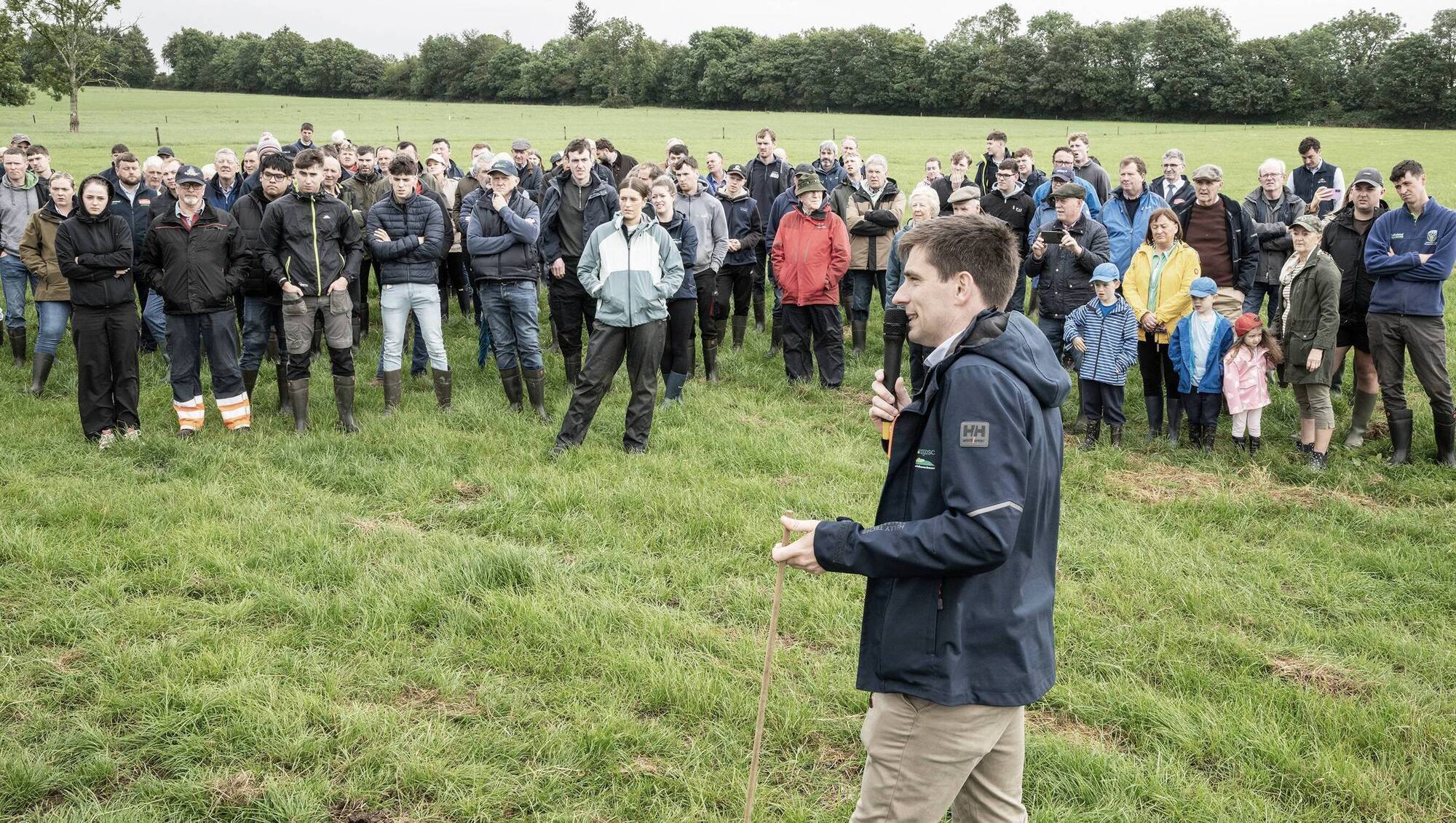
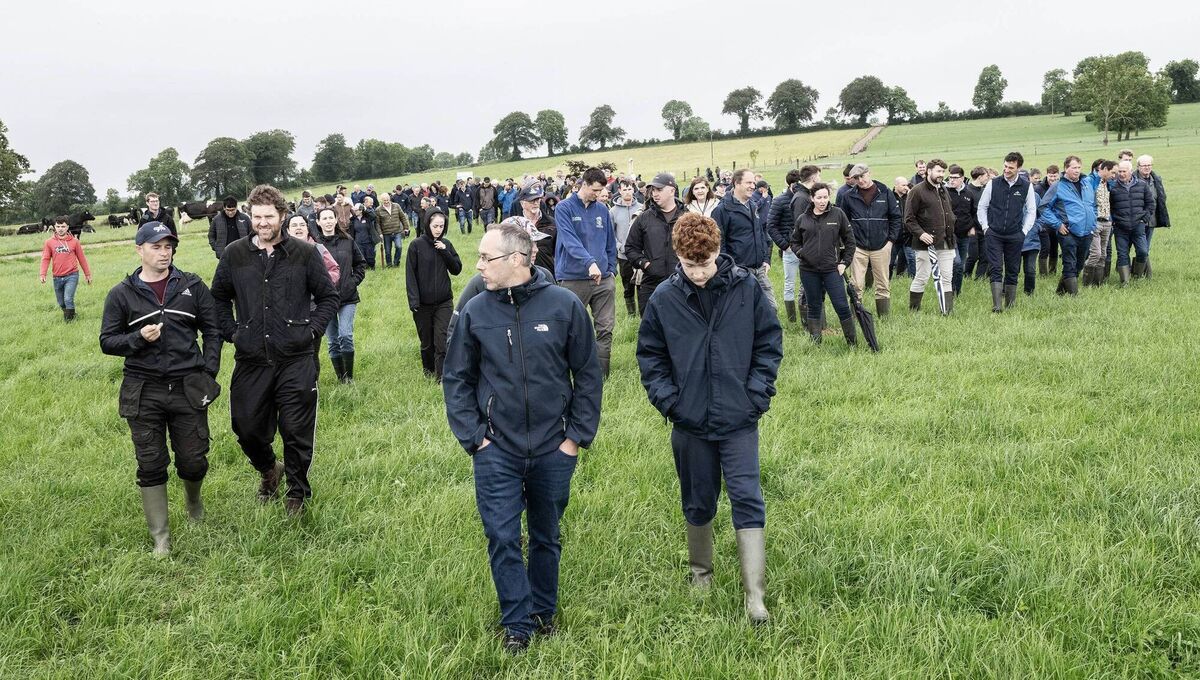
Speaker Padraig McCormack, Teagasc addresses farmers at a Better Farming for Water Campaign event in the Blackwater catchment area on the farm of William Blackburn, Kilworth, Co. Cork. Picture: O'Gorman Photography.
Cork farmers attended a Blackwater Catchment farm walk in Kilworth to better understand mitigating measures to improve water quality.
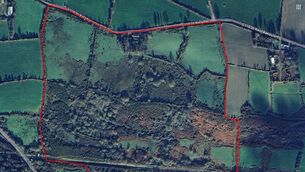
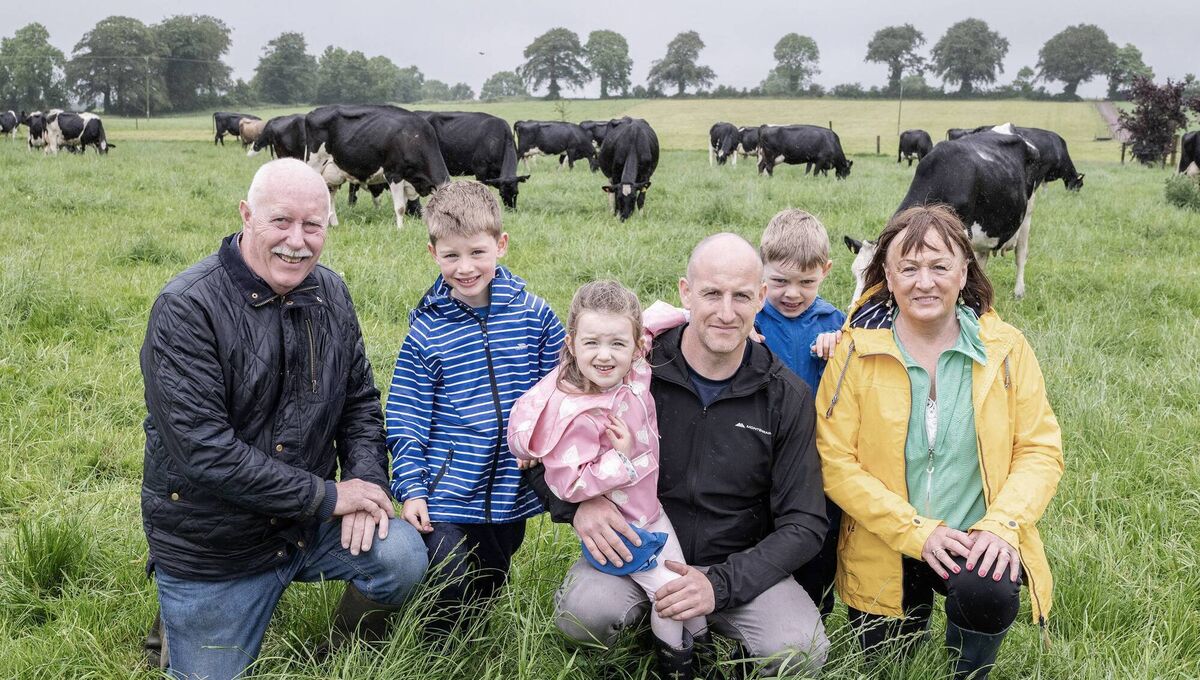
Following the publication of the Environmental Protection Agency's (EPA) 2025 Water Quality report, a Blackwater Catchment – ‘Farming for the Future’ event was held on William Blackburn’s dairy farm in Kilworth on June 18. Mr Blackburn farms with his wife Audrey, and manages a 172-cow milking herd across 106ha, with an overall stocking rate of 1.99LU/ha including calves and replacement heifers.
The event was hosted by Teagasc, Dairygold and the Agricultural Science Association (ASA). The event was held as part of the Better Farming for Water Campaign being undertaken in the Blackwater catchment area.
Read More
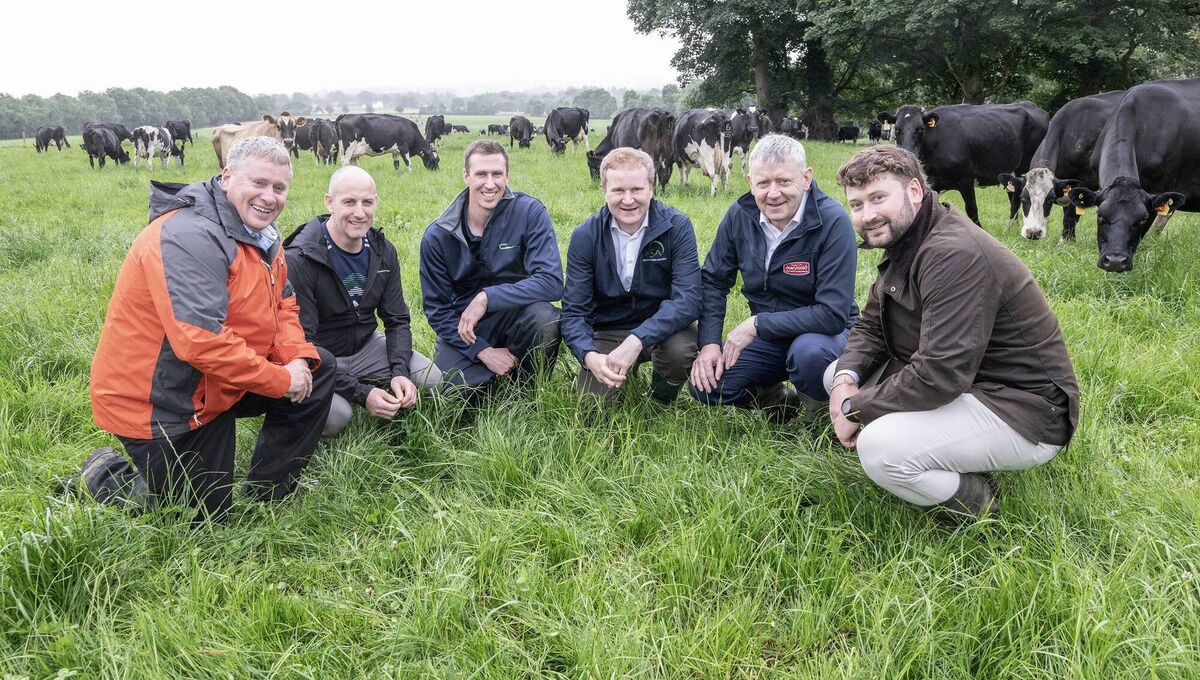
The farm had its first water quality visit in 2023 from a Dairygold Agricultural Sustainability Support and Advisory Programme (ASSAP) advisor and a Teagasc Climate advisor, which included one-to-one advice on a Nitrogen Surplus Plan and Rainwater Management Plan, pollution impact maps, and slurry testing.
Read More
Initially, Mr Blackburn had installed sediment tanks to catch yard runoff and improved passageways and ramps on the farm to redirect water runoff away from waterways. Since 2023, Mr Blackburn, alongside his ASSAP and Teagasc advisors, has corrected shoots in the yard and focused on reseeding with clover on the farm, lowering chemical nitrogen (N) reliance.
Speaking to the crowd who visited his farm for the event, Mr Blackburn said farmers shouldn’t be “too wary” of ASSAP and Teagasc Climate visits, encouraging the farmers in attendance to avail of the opportunities and of the free confidential advice service offered by Dairygold.
Currently, half of the Blackburns’ farm has clover among the swards, reducing their chemical nitrogen applications.
“The farm is probably getting half the rate of nitrogen spread on it since we’ve got half the farm in clover,” Mr Blackburn told the Irish Examiner.
Due to the farm’s sandstone soil type, Mr Blackburn’s next focus is introducing plantain into swards to try to reduce free drainage and leaching from the soil on the farm.
“I'm planning to reseed and introduce the plantain into the reseeds to see if that helps with the nitrogen distribution and leaching.”
The event focused on challenges for water quality in the Blackwater catchment and provided insight on addressing farm structure and sustainability and the need for additional slurry and soiled water storage, the upcoming 5% reduction in chemical fertiliser allowances coming into force in January 2028, typical risk points and compliance issues that arise on farm inspections and reducing the farm nitrogen (N) balance number.
Attendees heard from Noeleen McDonald of the Department of Agriculture, who highlighted the need for farmers, particularly in catchment areas, to improve nutrient distribution, prevent ‘hotspots’ on farms, and improve nutrient storage management.
Discussing the Nitrate derogation for 2026-2028, Ms McDonald reminded farmers of the additional conditions in this cycle, including the requirement to declare a farm’s nutrient balance on their AgNav as well as for derogation farmers to complete grassland management training by the end of 2027.
For the Blackwater Catchment, Ms McDonald also highlighted that derogation farmers within catchment areas will have a 5% reduction in chemical nitrogen allowance and will need to increase buffer margins to 4 meters when spreading chemical or organic fertilisers on fields, which will come into place in 2028.
Senior Research Officer in the Environment Soils and Land Use department in Johnstown Castle, Bridget Lynch, discussed the seasonality of nutrient loss into waterbodies. Farmers were informed that nutrient movement and detection in waterways increased during the shoulder seasons, October to March, which is aided by high rainfall during these periods.
Ms Lynch explained to farmers that there was “up to seven times more nitrogen lost in the winter months,” and up to five times more phosphorus lost during the same period.
Because nitrogen and phosphorus losses were greatest during the closed period, farmers were encouraged to have extra slurry storage on the farm to minimise pressures on farmers and give them “breathing room” when it comes to applications and avoiding nutrient hotspots.
Also addressing the crowd was IFA Environmental and Rural Affairs Committee chair John Murphy who warned farmers that “there's not going to be cheap fertiliser anymore,” and that Irish farmers “need to protect the [grass-based] system” that they operate within.
“This is not just a derogation farmer issue, a dairy farm issue; it's also a livestock farmer, a tillage farmer or a sheep farmer issue. We're all in this together,” Mr Murphy said.
Concluding, Mr Murphy said: “We are a risk to water quality, whether we like it or not, because we own the landscape and we farm the landscape. So we need to try and adopt as many measures as possible to reduce the risk.”
Farmers were also walked through the National Agriculture Inspection Plan (NAIP) inspection process by Tony Byrd from the Environmental Department at Cork County Council.
The county council are required to carry out 587 initial NAIP inspections. Initially, a farmer will be contacted to organise an inspection. Typical breaches or improvements on yards seen by inspectors are lack of soiled water control and collection, inadequate slurry storage capacity, poor farm yard manure management and silage effluent management.
“In Cork, we've got 67% of our rivers are achieving at least good status, which is better than the national average. However, we've got 0% of our transitional waters achieving at least good status,” Mr Byrd explained.
Transitional waters are where fresh water sources meet salty water in estuaries such as Youghal Bay, and Kinsale Harbour in Cork. When elevated nitrogen and phosphorus waterbodies meet, they create “perfect conditions for algae blooms,” which have adverse effects on water quality in an area.
Explaining how nitrogen surplus is calculated was Teagasc advisor Eimear Connery. Put simply, a nitrogen balance is calculated by subtracting nitrogen inputs from nitrogen outputs.
Nitrogen inputs can take the form of fertiliser, slurry, ration, concentrates or forage that is brought into the farm, and outputs would be sold livestock, milk sold, forage and sold or exported slurry. These calculations do not currently factor in clover in farm systems.
Once you have calculated your nitrogen balance, you now have a figure for the surplus, which is either lost through emissions and up to one third is lost through water.
Funshion River, which runs past Mr Blackburn’s farm and feeds into the Blackwater River, is reported to have 1,000 tonnes of nitrogen in the river, which is an accumulation of nitrogen lost across all farming systems along the river.
Highlighting the figures, Ms Connery explained: “As far as reaching our target of 2.6mg of nitrogen, we need to get the figure down from 1,000 tonnes to 700, a reduction of 300 tonnes.”
She explained that a majority of farmers along the Funshion River implemented measures to reduce water runoff and safeguard water quality, like Mr Blackburn; it would result in an improvement in the river and subsequently the catchment.