Food sector uncertainty around the world accelerates in 2026
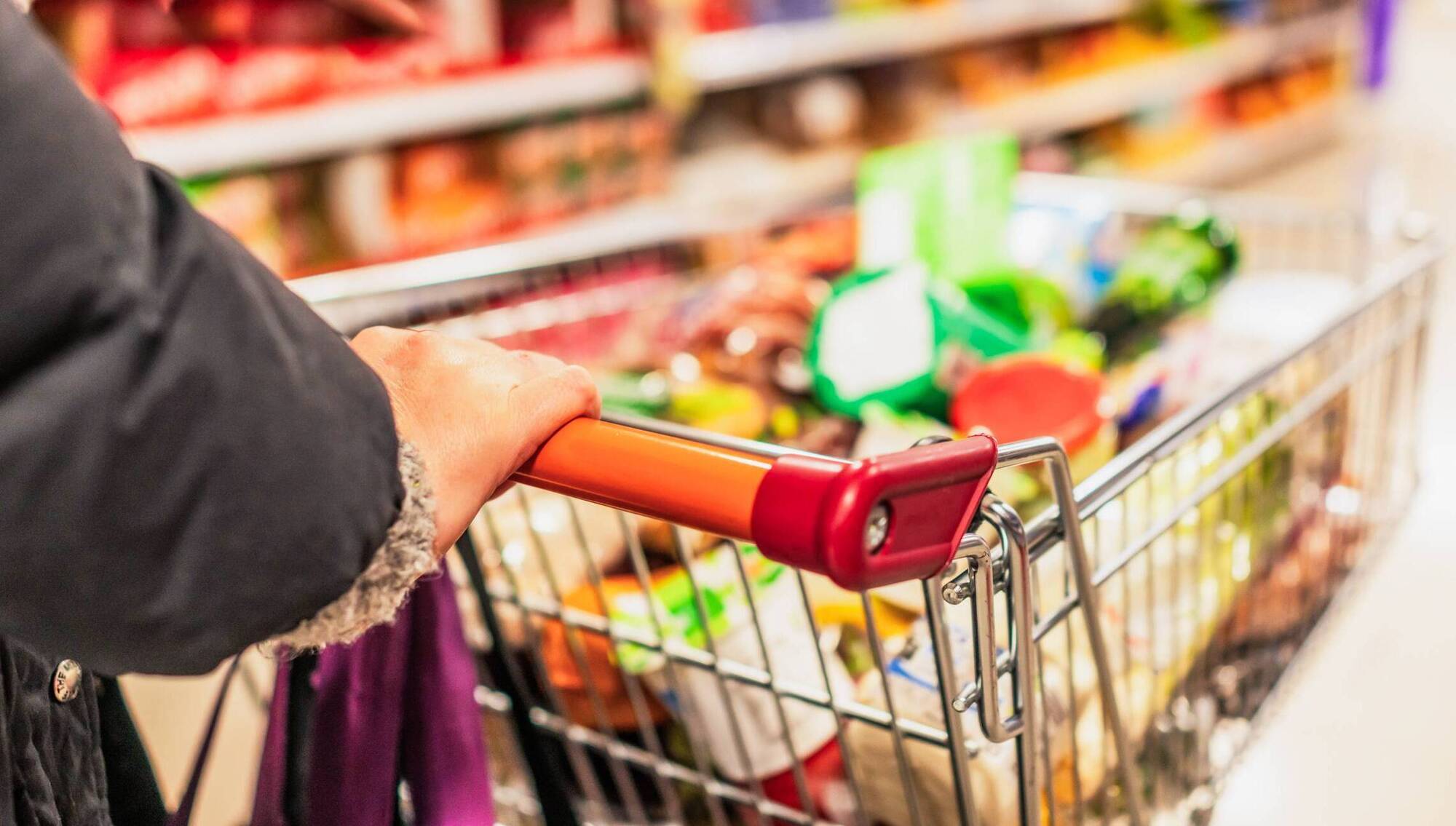
Up to 54% of consumers have reported buying fewer groceries, with 38% reporting feeling less financially secure. File picture
The global food and beverage industry is in a new phase of uncertainty due to rising prices, changing diets, geopolitical disruptions and climate pressures.
A new report launched on June 17 by University College Cork (UCC) found that while inflation has eased, underlying pressures remain intense, with businesses facing higher costs and consumers continuing to feel the squeeze.
The report found food companies faced a cost increase of 91% in 2025, with costs expected to rise a further 85% in 2026.
New data from KPMG found that over half (54%) of consumers have reported buying fewer groceries, with 61% now prioritising price above all other factors when it comes to shopping. Up to 38% of Irish consumers report feeling less financially secure than a year ago.
Oil prices have risen by 60% in 2026, driving production and transport costs. Fertiliser prices in Ireland are up 16% year-on-year.
Read More
The report, prepared by UCC, AIB, Goodbody, KPMG and A&L Goodbody, is led by Professor Thia Hennessy of UCC and outlines the key factors shaping investment in the sector.
“What we are seeing is a shift in the operating environment for food and beverage companies, driven by geo-political unrest, climate disruption and changing consumer demand, all of which are redefining where and how firms invest,” said Professor Hennessy.
Attendees of the conference heard that renewed conflict in the Middle East, together with a rise in extreme weather events, is increasing uncertainty across global food and beverage markets and adding to inflationary pressures.
Recent increases in energy, fertiliser and supply chain costs are already contributing to elevated production costs. Even if the ceasefire in the Middle East is sustained, the cost pressures already absorbed by food businesses are likely to pass through to consumer food prices in the months ahead, it was reported.
A key emerging trend is the rising use of GLP-1 medications, which is reshaping consumption by reducing appetite and increasing demand for nutrient-dense foods.
This is reinforcing health and wellness trends, with particularly strong growth for protein-fortified products. As a result, whey, which was once considered a low-value byproduct of cheese production, has become highly sought-after, with prices increasing fivefold since 2023.
The conference heard that regulations are tightening across major markets, with new EU rules on packaging waste, deforestation and emissions increasing compliance complexity for food companies.
While in the US, the “Make America Healthy Again” agenda is intensifying scrutiny of ultra-processed foods, with direct implications for product formulation, labelling and marketing.
The challenges have also been reportedly evident in equity markets, with the STOXX 600 Food & Beverage Index, which tracks Europe’s largest food and beverage companies, trading below its long-term average. After rising nearly 10% earlier this year, those gains have since been reversed, and the index is now down 2% year-to-date.