New EPA report finds 54% of monitored rivers in acceptable biological condition
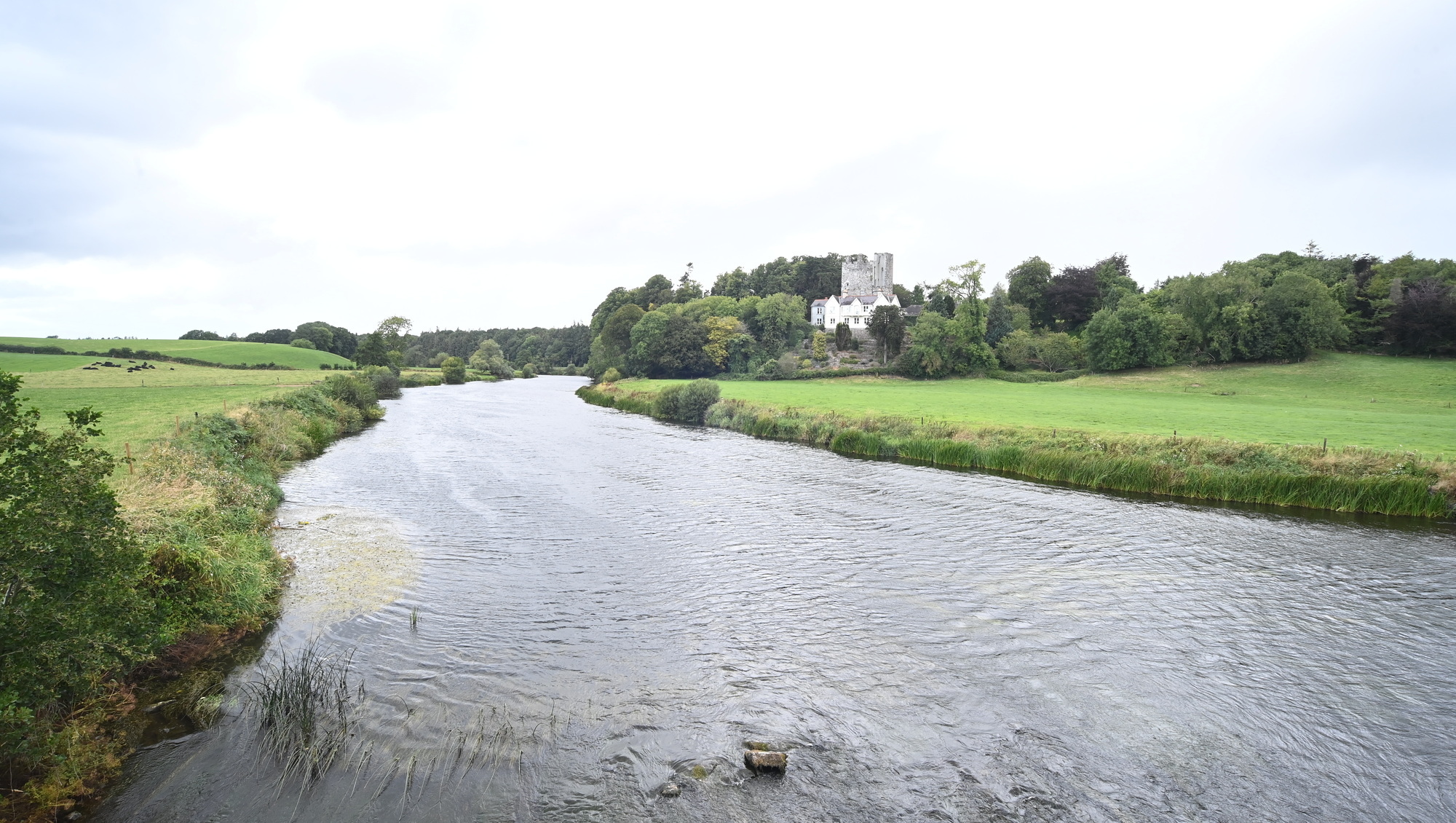
46% of Ireland's rivers are classified as 'moderate, poor or bad' quality. Picture: Larry Cummins
In 2023- 2025, 54% of monitored river water bodies and lakes were reported to be in high or good biological condition.
The Environmental Protection Agency (EPA) has published its Water Quality 2025 report, which said the remaining 46% of monitored river bodies were in moderate, poor or bad quality.
Only three water bodies are classified to be in "bad" condition. These include stretches of the Folies Stream within the River Laune catchment in Kerry, the Ahavarraga Stream in Limerick, and the Clareen (Nenagh), a tributary of the Nenagh River in Tipperary.
Of the 717 river water bodies assessed in 2025, 90 improved in quality class, while 109 declined in quality class. The majority (515) remained unchanged. Three had no recent comparison.
Read More
The report states that “in recent years, any localised improvements in biological quality have been offset by declines elsewhere”.
Five rivers originally considered as the “best quality” experienced a drop in aquatic invertebrate quality in 2025, continuing the declining trend in macroinvertebrate quality since 2012.
Despite this, some areas improved, such as the Ballyteigue-Bannow catchment in Co Wexford, which is a catchment with 18 rivers, 16 of which were surveyed in 2025.
Of these, six saw improvements in biological quality, with increasing numbers of pollution-sensitive aquatic invertebrates evident. The environmental body explains human activities such as farming, wastewater discharges and runoff from land are the main sources of nutrient pollutants such as nitrogen and phosphorus.
The EPA reported 43% of river sites continued to have nitrate concentrations that are too high to support good ecological quality. The report highlights this as “little change since the last assessment”, with concentration levels remaining elevated in the East and South East regions.
The report says the majority of lakes that are failing to achieve good biological quality are in the Erne and Shannon catchments. These areas have been reported as having elevated lake phosphorus levels. The lakes with high quality are predominantly located in the West and South-West.
More than one-fifth (22%) of monitoring sites for groundwater nitrate levels have displayed elevated concentrations and exceedances, mainly in the South-East, Midlands and East regions.
One in five (20%) estuarine and coastal water bodies are in unsatisfactory condition for dissolved inorganic nitrogen, with all exceedances occurring in estuaries along the eastern and southern coasts.
The three-year average concentrations for nitrate in rivers show 43% of river sites nationally have unsatisfactory nitrate concentrations, which is above 8 mg/l NO3.
Despite the EPA’s Early Insights Indicator report noting a slight increase in nitrate concentrations, the three-year assessment shows nitrate levels to be relatively unchanged.
EPA reports the annual average phosphate concentrations in 2023-2025 remain too high in 27% of river sites, with little overall change in three-year average levels despite some annual fluctuation.
Across monitoring sites, 31% of lakes continue to have unsatisfactory total phosphorus concentrations, the majority of which are located in the Border region. Nearly all estuaries and coastal waters (97%) meet phosphate standards, with only three estuaries in the South-West remaining in unsatisfactory condition.
Reacting to the report, Irish Farmers’ Association (IFA) president Francie Gorman said he was “disappointed that we’re not seeing greater improvement” despite the scale of work that is being done by farmers.
Mr Gorman said considerable capacity, expertise, stakeholder engagement and goodwill had been developed through the ‘Better Farming for Water’ campaign and the development of the action plans.
“It is therefore vital that advisory and financial supports are maintained and strengthened to support implementation of the plans. This will help sustain momentum, build farmer confidence and ensure the successful delivery of water quality outcomes,” he said.
“In particular, TAMS is vital to support farmers in putting in more nutrient storage, a key plank to protecting water quality. It is imperative that Minister Heydon delivers more funding for TAMS in the upcoming budget to match farmers’ willingness to invest in delivering further improvements in water quality.”
Mr Gorman said farmers would not be found wanting in their commitment to improving water quality, but they must be supported to do so.
Irish Creamery Milk Suppliers Association (ICMSA) said the report showed the process of farmer engagement was well under way, while also clearly identifying those areas — both geographically and by sector — where effort must be directed.
ICMSA president Denis Drennan said Irish water quality was still among the best in Europe and the ICMSA was confident the progress made so far could — and would — be improved upon as science and best practice delivered results.