Irish climate policy could cut protein access for 469,000, UCC Teagasc study reveals
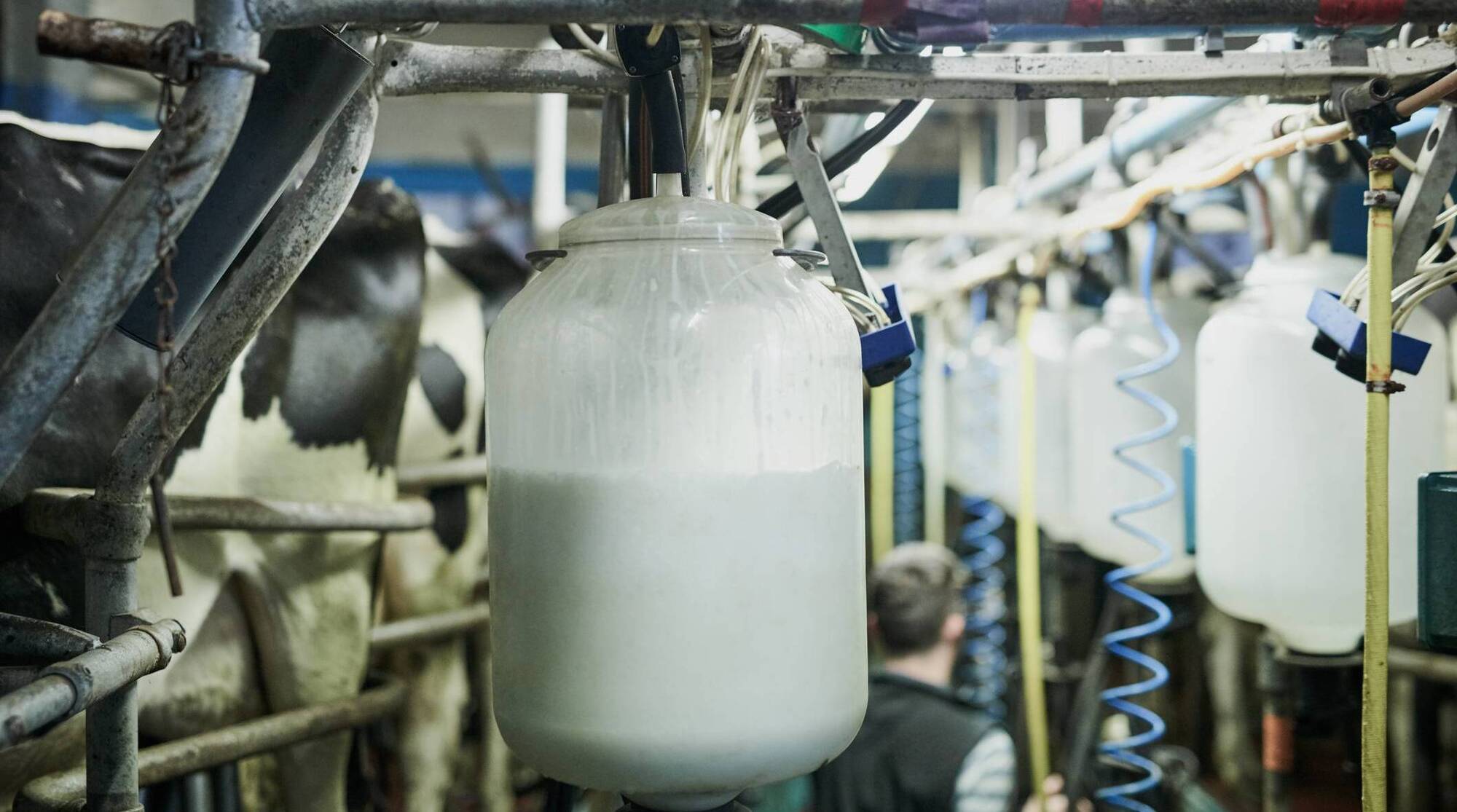
The main land-based agricultural systems in Ireland can currently meet the annual protein requirements of 20 million people, or 35 million if protein digestibility (how much of the amino acids present in the protein are left for the body to use after digestion) is accounted for. File picture
Climate policy will result in 469,000 fewer consumers having their digestible protein requirements met from Irish food, according to a detailed study by scientists at University College Cork and Teagasc.
“This analysis shows the trade-offs involved in implementing climate policies to diversify from animal to plant-based protein production in Ireland,” said Marie Merlo of the Cork University Business School at UCC, who conducted the research as part of her PhD.
“While the main goal is to reduce farm-level greenhouse gas emissions and reach the target of a 25% reduction by 2030, the impact on protein security needs to be considered.
“The Republic of Ireland has the ability to meet the protein requirements of four to seven times its own population, depending on whether digestibility is considered. Ireland is specialised in milk and meat production, which are protein sources with a significantly higher digestibility level than plant-based protein,” Ms Merlo added.
Read More
UCC’s Thia Hennessy (School of Business and Law) and Seamus O’Mahony (School of Food and Nutritional Sciences), plus Cathal Buckley of Teagasc’s Rural Economy and Development Programme, were also credited as authors of the report, published in the journal.
The findings address one of the main challenges for agriculture, which is efficient land use for the primary goal of providing food and nutrients, thereby contributing to food security, while limiting impact on the environment.
The main land-based agricultural systems in Ireland can currently meet the annual protein requirements of 20 million people, or 35 million if protein digestibility (how much of the amino acids present in the protein are left for the body to use after digestion) is accounted for.
Protein production was examined, because protein cannot be stored by the human body, being obtained exclusively through the diet, providing essential amino acids for processes such as tissue growth, repair and maintenance.
Irish agriculture is an important contributor to global protein security, being the 13th largest exporter of dairy products, the 11th largest exporter of bovine meat, and the fifth largest exporter of mutton and goat meat (2021 figures). However, it comes at the cost of environmental damage by agriculture.
The UCC and Teagasc experts estimated Irish dairy, cattle, sheep and tillage protein output in net terms (protein in milk, meat, grains minus human-edible protein fed to livestock), and set out to evaluate the effect of Irish climate policy on this contribution.
They found that if digestibility of protein inputs and outputs is considered, milk production (389kg) produces less protein per hectare than legumes (674kg, such as beans and peas), but more than cereals (348kg). Beef produces 46kg and sheep 30kg.
Sheep farming consumes more protein input than it generates output, only making a positive contribution when digestibility is accounted for.
When climate policy slashes beef and sheep livestock numbers, with a small dairy increase and increased tillage, 469,000 fewer consumers have their digestible protein requirements met from Irish food. Farm profits and country level trade returns would also fall.
Without accounting for digestibility, increased tillage can compensate for less livestock protein production. However, allowing for the digestibility of plant-based protein being half that of animal-based protein, the tillage increase does not compensate.
The scientists noted that only half of Irish soils are suitable for arable production, but only 355,000 ha of the 1.6 million ha with a “wide use range” are used for crop production.
The cattle or sheep which make up 88% of Ireland’s livestock use less human-edible feed than other livestock.
Another consideration is that meat produced with greater environmental damage might replace Irish meat on export markets.
They noted that environmental policy needs to be designed in conjunction with the primary goal of the agricultural sector, which is to guarantee food production and security.
But they acknowledged there are many paths to environmental targets while maintaining food and protein production.
For example, researchers have found Ireland could reach net zero emissions by 2050 while maintaining protein production, by replacing suckler beef with forestry, sustainably intensifying dairy, plus abatement measures. Or legume crops could be increased, and backyard pig and poultry systems further developed.
It was concluded that optimal nutritional and environmental outcomes, while incentivising farmers to change production systems, are hard to achieve, and policies must be designed carefully, also taking into account supply and demand.
CLIMATE & SUSTAINABILITY HUB