Sheep grazing in upland areas could help offset wildfire threat
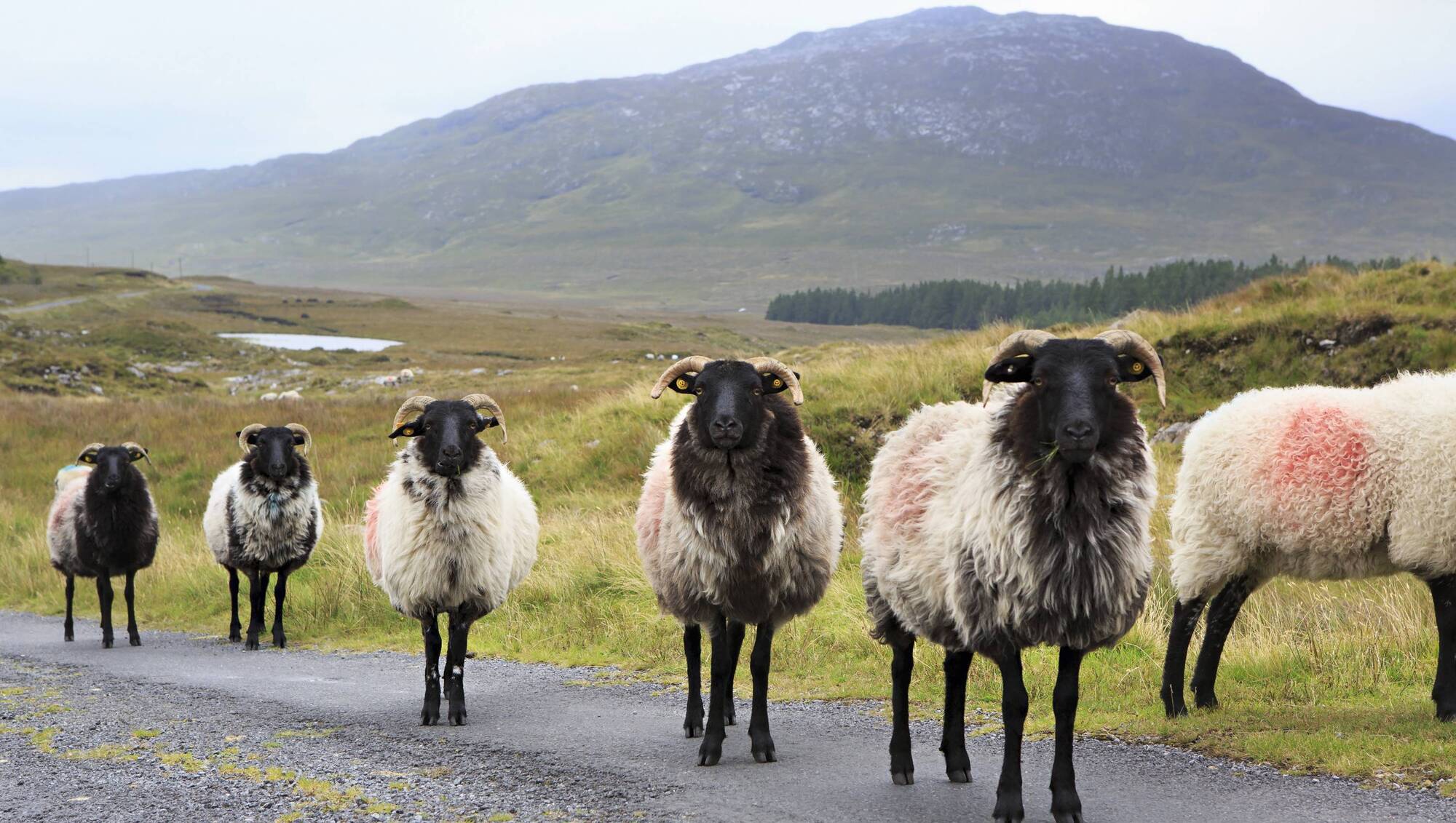
IFA are seeking €40/ewe producing lambs for sheep farmers in hill areas.
Sheep farming, particularly in hill and mountain areas, is an effective mechanism for upland vegetation management and offsets the threat of wildfires.
Irish Farmers’ Association (IFA) Sheep Committee chair Adrian Gallagher said rebuilding the national sheep flock is the “obvious and most effective mechanism” to manage upland areas and reduce the risk of fires.
“Abandoned and underutilised land is the single biggest issue when it comes to large-scale fires. Historically, farmers managed these lands through grazing livestock and controlled burning.
However, flawed and poorly thought-out policies under the narrative of the green agenda have contributed to these devastating fires that have the potential to put lives at risk and force farmers and farming from the hills,” he said.
“Our sheep sector is in serious decline, and meaningful actions are needed urgently to rebuild our output levels. The hill sheep sector is a key part of sheep production, but very low incomes, generational renewal challenges and misguided policies have forced farmers out of production.”
Read More
Mr Gallagher said there is an urgent need to put in place supports for farmers to put sheep back onto the hills to produce lambs and arrest the decline in numbers.
He also highlighted that the hill sheep sector is a significant contributor to our national breeding flock on lowland farms and in ensuring a year-round supply of lamb for processors.
Mr Gallagher explained the IFA is seeking a €40/ewe payment for farmers in hill areas who are producing lambs.
The financial supports are only part of the issue. Farmers in the hills must be allowed to farm and manage their lands productively, bringing overgrown and unproductive land back into food production and, in doing so, reducing the threat posed by fires.
IFA Hill Farming chair James Gallagher said we need to learn from the devastation and damage of recent wildfires on our uplands, forests, habitats, wildlife and property, and avoid it at all costs.
“Farmers have a key role to play. Through sustainable grazing we can better control levels of vegetation on the uplands. But we also have the knowledge, access and resources to be able to support swift emergency efforts also, but these all need tangible support,” he said.
“It’s imperative that farmers impacted by these fires are not disadvantaged even further down the line and find their farm payments withheld or delayed… at a time when output prices in many sectors are under pressure, these payments will be needed more than ever,” he concluded.
Another issue facing farming families highlighted by the Achill IFA Commonage Fire Watch Team was that following major wildfires, farmers can face reductions in department area-based payments where land has been burned, despite there often being little or no evidence that they were responsible for the outbreak.
“This was an issue experienced by farmers on Achill, and it is one we believe merits careful examination as similar incidents occur elsewhere around the country,” a spokesperson for the Fire Watch Team said.

CLIMATE & SUSTAINABILITY HUB