'It is disgraceful': Showing rape victims' clothes in court 'weaponising against women'
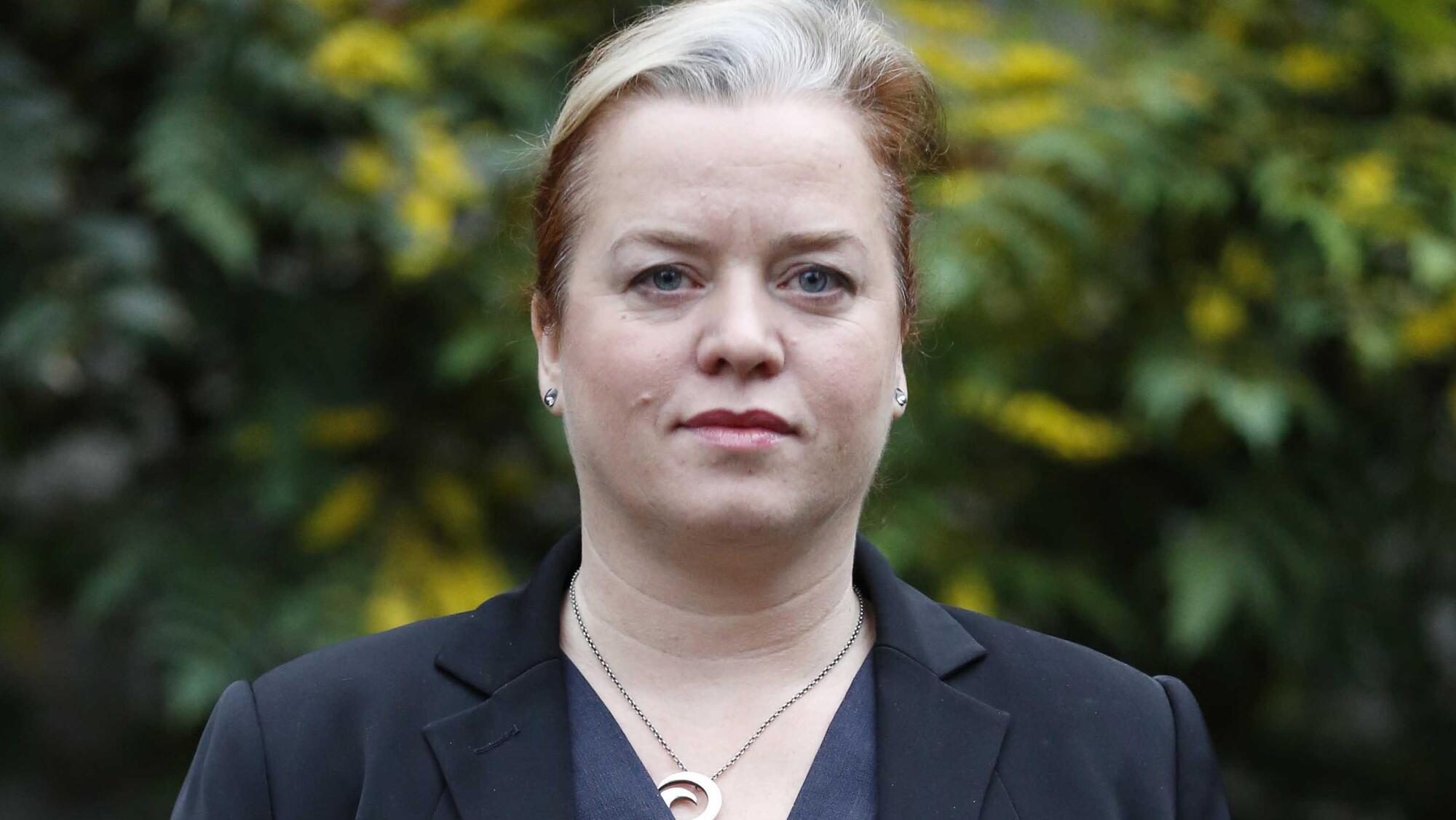
Executive director of Rape Crisis Ireland Cliona Saidléar, said: 'In this day and age, after the amount of talk we have had about this and about bodily autonomy and rights, we should have consigned the question of victims’ clothes to the history books.'
Production of clothes worn by sex offence victims in court is “weaponisation against women”, according to a human rights advocate.
In recent days, the Irish Examiner reported clothing worn by a 15-year-old on the night she was raped was produced during the rape trial of 24-year-old Patrick Faulkner, of Lower Mallow Street, Limerick City.
He was sentenced to seven years in jail last week for the rape of the teen during a party in Limerick, when he was 18 years old. He was convicted of the rape by a jury in February.
During the trial, the dress worn by the victim on the night of the attack was produced in court, and she was also asked if she was wearing underwear.
Last year, during a sentencing hearing following a rape conviction in Cork, the victim said seeing her underwear being produced in court during the trial was “an out-of-body experience”.
Sally Anne Corcoran is advocacy and engagement manager at Cope Galway, which supports women and children in Galway who experience domestic abuse and violence.
She also worked with the United Nations. She said such a move was “weaponisation against women”.
She also described the practice as “unfair and unjust”, adding: “I don’t understand why what a victim was wearing has to do with it.
“It is disgraceful.”
She acknowledged progress was being made in legislating in areas of violence against women through the introduction of measures including Jennie’s Law, which introduces a domestic violence register.
But she said Ireland had pledged to prioritise gender equality during its time as president of the European Union and the recent case went against that.
“We need to protect women and girls in this country.”
Corrinne Hasson, National Women's Council executive director, said it was deeply concerning “that the practice of presenting clothing as ‘evidence’ in rape trials continues in 2026, despite public outcry in previous cases where clothing has been used in this way".
“Consent must be freely given and ongoing. What a person wears can never be interpreted as consent, nor does it negate the need for consent in any circumstance. Victim-survivors must be supported before, during and after the court process, not retraumatised through victim-blaming."
Executive director of Rape Crisis Ireland Cliona Saidléar, said: “In this day and age, after the amount of talk we have had about this and about bodily autonomy and rights, we should have consigned the question of victims’ clothes to the history books.”
In 2018, protests took place in Cork and other parts of the country following a trial during which the jury was asked by the accused’s barrister to consider the complainant had been wearing a lace-fronted thong at the time of the alleged offence.
The accused man was found not guilty of raping the complainant, a 17-year-old girl, in a laneway in Cork.
Following the case, women also posted images of underwear online with the hashtag #ThisIsNotConsent.
Also in 2018, the trial in which rugby player Paddy Jackson was found not guilty of rape also attracted criticism because the complainant's underwear was also produced in court. The rape was alleged to have occurred at his home in 2016.
CONNECT WITH US TODAY



Be the first to know the latest news and updates