Total Teagasc income amounted to €248m in 2025
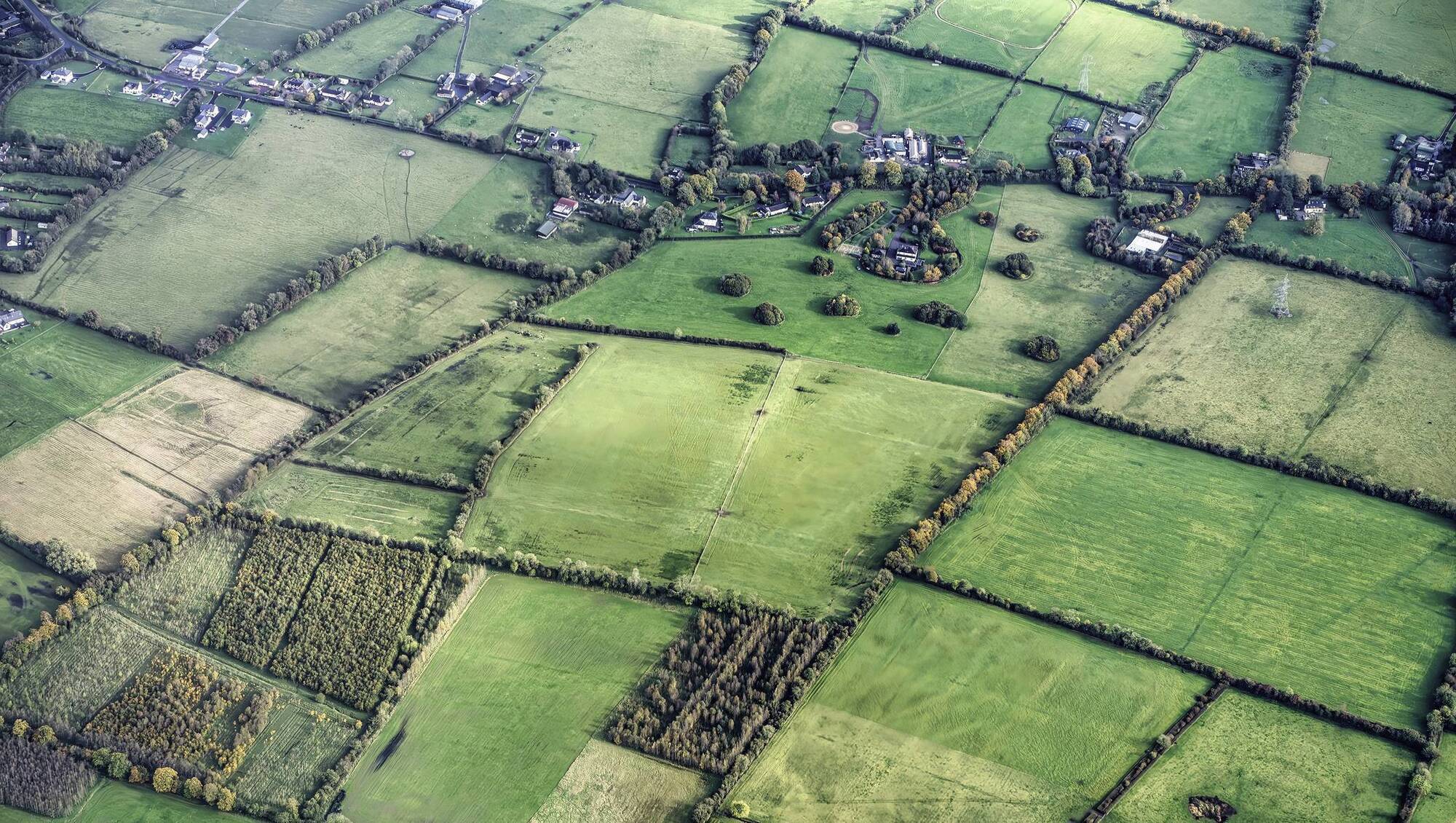
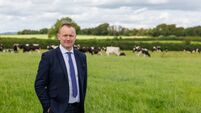
Teagasc's total income for 2025 increase by 3.3% to €248m. Picture: Noel Bennett
Total Teagasc income for 2025 came to €248m, which is a 3.3% increase, the equivalent of €8m higher than in 2024.
Within the same period, total Teagasc expenditure in 2025 amounted to €249m, €3m (1.2%) greater than the year before.
Teagasc invested €14.9m in fixed assets in 2025, including €12.4m on buildings and €2.5m on plant and equipment.
Teagasc operates out of 55 primary locations countrywide, varying from offices, colleges and centres. The organisation owns 50 of these establishments, and the remaining five are rented.
Read More
Teagasc sold land and buildings at Kinsealy East, Co Dublin, which was valued at €122,000 in December 2025. The sale to the Land Development Agency was completed in January 2026 for €1.6m.
The Department of Agriculture allocated State grant aid of €175.437m to Teagasc in 2025, an increase of €5.017m over the 2024 allocation of €170.42m. The 2025 out-turn produced savings of €2.99m for capital; 2024 produced savings of €0.857m for superannuation; and €2.4m for capital.
The average number of staff employed by Teagasc increased by 13, with general public sector pay increases; the 2025 pay bill of €115m was €6m more than in 2024. Superannuation costs increased by €2.258m to €49.861m in 2025.
Teagasc director Professor Frank O'Mara said: “The focus of our activities is guided by our 2025-2028 Statement of Strategy, ‘Innovating for Impact’. Improving the competitiveness and resilience of the agri-food sector is our strategic focus, and we will work to support the sector to be more productive, more environmentally sustainable, more attractive and more innovative.”
Contained within the report, Teagasc highlighted Ireland’s mushroom industry, with disease control remaining a major challenge. Currently, only one fungicide treatment remains available to Irish mushroom farmers due to the development of resistance and regulatory withdrawals.
A Teagasc study investigated the effectiveness of biocontrol integrated with other pest management strategies. Through this research, a suitable biocontrol-based treatment has been developed for use within the Irish mushroom industry and is now being rolled out to growers.
Other research conducted by Teagasc and supported by VistaMilk Research Ireland Centre evaluated the impact of adjusting automatic cluster removal (ACR) on milk performance. The research found an adjustment of ACR improved milking efficiency through a 14% reduction in milking duration and reduced overmilking.
These improvements enhance parlour throughput, reduce labour demand, and support better cow comfort during milking without compromising milk yield or quality.
Advisers assisted farmers with income support schemes, supporting 39,554 farmers with BISS applications, part of a total of 146,420 scheme interventions on behalf of clients. In total, there were 142,834 one-to-one advisory contacts in 2025.
Common Agricultural Policy (CAP) support payments in Ireland are linked to farms receiving Teagasc advisory services, despite these clients representing roughly one-third of all farmers.
This equates to about €1.008bn, comprising €582m in Pillar I and €426m in Pillar II payments.
Teagasc has reported client numbers have remained relatively stable over the last seven years, with a slight drop of 3.4% over the last two years.
The National Farm Survey suggests Teagasc clients make up an estimated 59% of utilisable agricultural area, 74% of dairy cows, 51% of beef cows and 74% of tillage area.
Teagasc has also reported the number of women-only discussion groups has increased from 10 to 15 groups containing a total membership of 295 individuals.
Green Certificate qualifications dropped in 2025 from 2,085 to 1,647. Most of the decrease is in distance and part-time education, a combined reduction of 456. There were 405 full-time completions in Teagasc and private colleges, a reduction of 29, and 47 apprenticeship completions