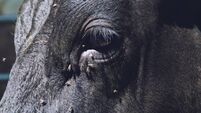
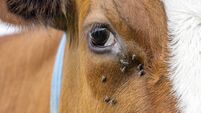
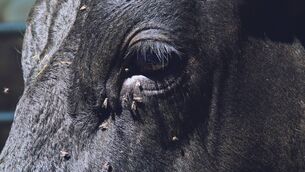
Vets urge farmers to vaccinate herds against bluetongue as high-risk summer for spread of virus nears
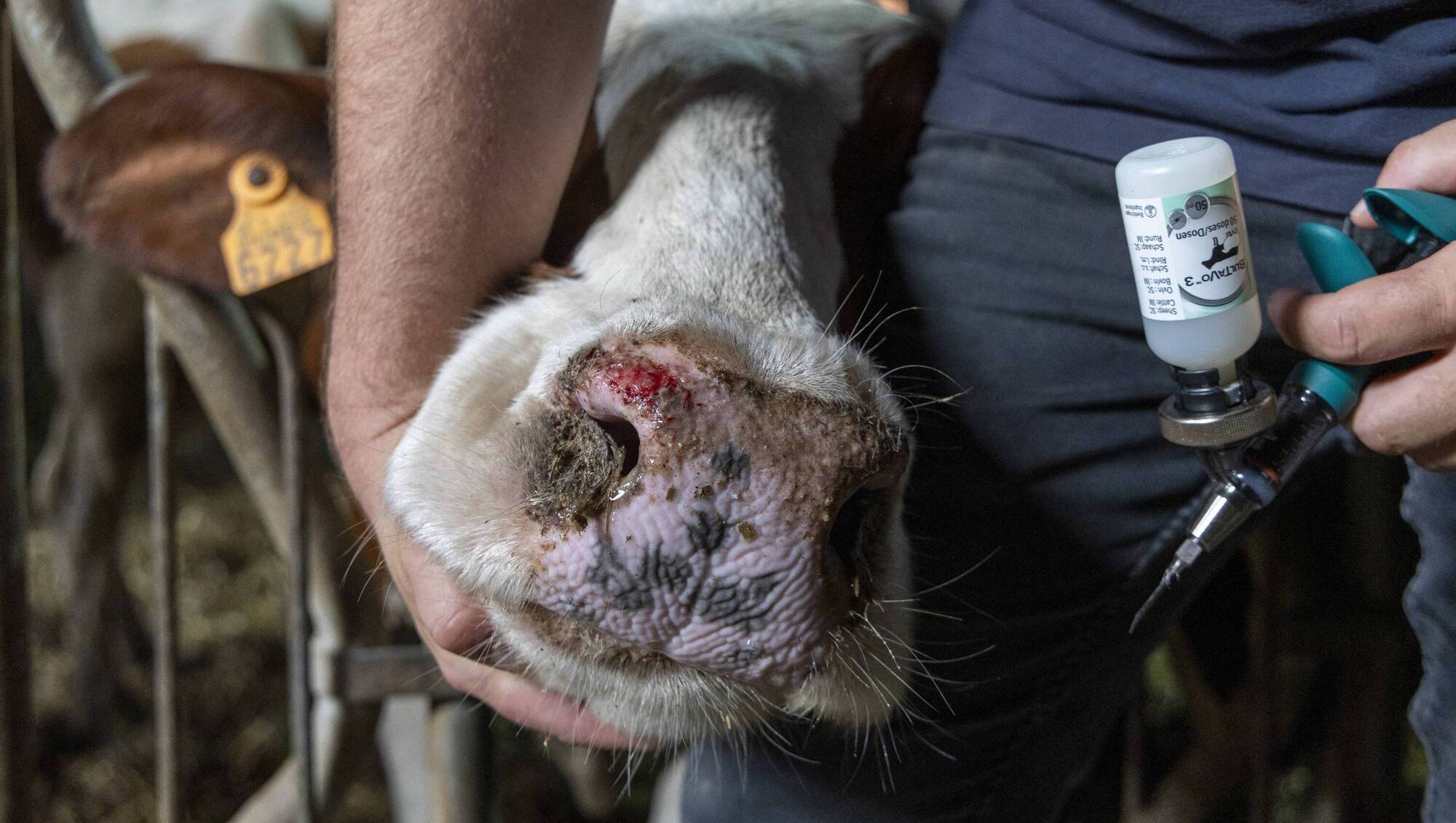
Vets are being encouraged to push for BTV vaccination.
Vets are being encouraged to promote vaccination for bluetongue (BTV) to all clients as we enter a high-risk period for the spread of the disease.
“It’s the fear of the unknown, really, you’d need to give yourself peace of mind and try to cover yourself for the worst possible scenario,” said David McLaughlin, vet and director at Glasslyn Vets based in Cork.
Mr McLaughlin said the “general consensus” from vets across Ireland was to vaccinate herds.
With the latest case of BTV being discovered in Cork, and evidence of infection of the virus detected in counties Wexford, Wicklow, Laois, Louth, Monaghan, and Kildare, vets and farmers alike are bracing themselves for the high-risk summer months.
Read More
A Department of Agriculture spokesperson said: “The number of cases identified in the surveillance programme is the tip of the iceberg, so it is more helpful to identify the general locations.”
The department has reported one aborted foetus that tested positive for BTV and contained lesions consistent with infection of the virus.
“The foetus looked normal externally. The department would encourage farmers to submit aborted foetuses to its regional veterinary laboratories for diagnosis,” a spokesperson for the department reported.
"We're [Glasslyn] recommending vaccination because we just don't know what the consequences could be if they're not vaccinated,” Mr McLaughlin said.
Due to vaccine demand and availability, Mr McLaughlin said the practice was advising farmers to prioritise vaccinating this year’s breeding stock, given the disease’s adverse effects on production and fertility.
Within the practice’s clientele, Mr McLaughlin said the majority of farmers currently vaccinating herds were in the dairy sector, with sheep farmers also ordering vaccines due to the high mortality rate among sheep infected with the disease.
Mr McLaughlin also warned the outbreak “could go on for years,” as experienced in other countries.
Assistant professor of virology at University College Dublin, Dr Gerald Barry said: "Bluetongue is here, it is going to be difficult to eradicate through intervention. As a country, we are now in the 'living with it' phase; we are no longer trying to eradicate it. The focus should now be on understanding where it is, what the risk to your farm is.
Mr Barry also advised farmers to consider vaccinating their animals against BTV to reduce the impact the virus could have on a herd or flock, adding if every farmer opted for vaccination, it “would collectively reduce the risk for all farms”.
He warned putting the onus on farmers to decide whether or not to vaccinate would lead to confusion or frustration.
“The hope is that the vaccine won't be needed at widespread levels, and thus won't need to be Government-funded. That is perhaps a sensible approach, but it is also a bit of a gamble — an educated one, but also still a gamble,” he said.
Mr Barry advised farmers to identify stagnant water or marshy land on farms, which are ideal breeding grounds for midges, and to do their best to keep their animals clear of them where possible to avoid contact and reduce risk.
He also reminded farmers the wide-scale use of insecticides to control midge populations was not currently recommended at this point.