Case of bluetongue confirmed in Cork
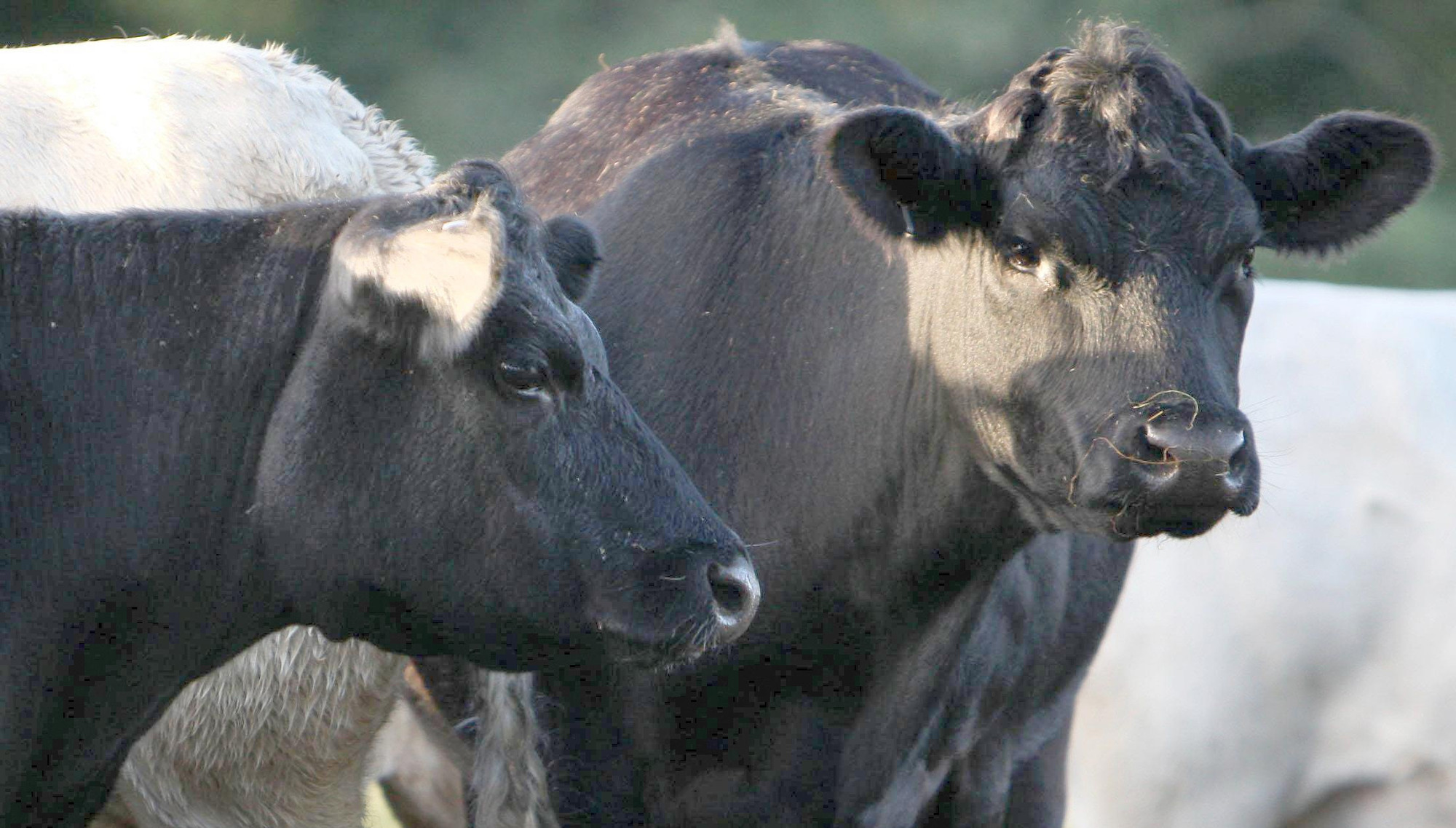
Farmers are advised to discuss the option for vaccination with their private veterinary practitioner.
The latest case of bluetongue has been confirmed in a cow in Cork.
Clients of Glasslyn Vets received a text message on April 28 announcing a positive case had been detected near Bandon.
The understands the positive case was discovered in an unvaccinated cull cow.
There are no food safety or human health risks from bluetongue. Milk and meat are safe to consume.
As the weather gets warmer, Ireland enters a higher risk period for the spread of the bluetongue virus (BTV). Farmers are advised to discuss the option for vaccination with their private veterinary practitioner.
BTV-3 vaccines are permitted in Ireland under a licence issued by the Department of Agriculture. The vaccine does not fully prevent infection, but reduces viral load and the severity of clinical symptoms.
Fully vaccinated sheep take three weeks to take full effect, and cattle vaccination takes six weeks.
A wide range of clinical signs is associated with BTV. Sheep can display more severe signs, while cattle and goats can be asymptomatic or have subclinical disease.
Clinical signs include fever, lack or loss of appetite, drop in milk yield, reddening of the mucus membranes, sores on the nose, gums and dental pads, swelling of the face, lips and tongue, breathing difficulties, drooling, discharge from the eyes and/or nose, lameness, early embryonic death, abortion or deformities in offspring or foetus. In severe cases, a BTV infection can result in death.
Farmers and private veterinary practitioners countrywide are encouraged to submit abortion samples, post-abortion dam bloods and deformed/aborted foetuses to their local regional veterinary lab.
The department has added BTV screening to these profiles as part of disease surveillance. Any follow-up investigations will not result in on-farm restrictions.