Farmers warned about seasonal risk of bluetongue infection
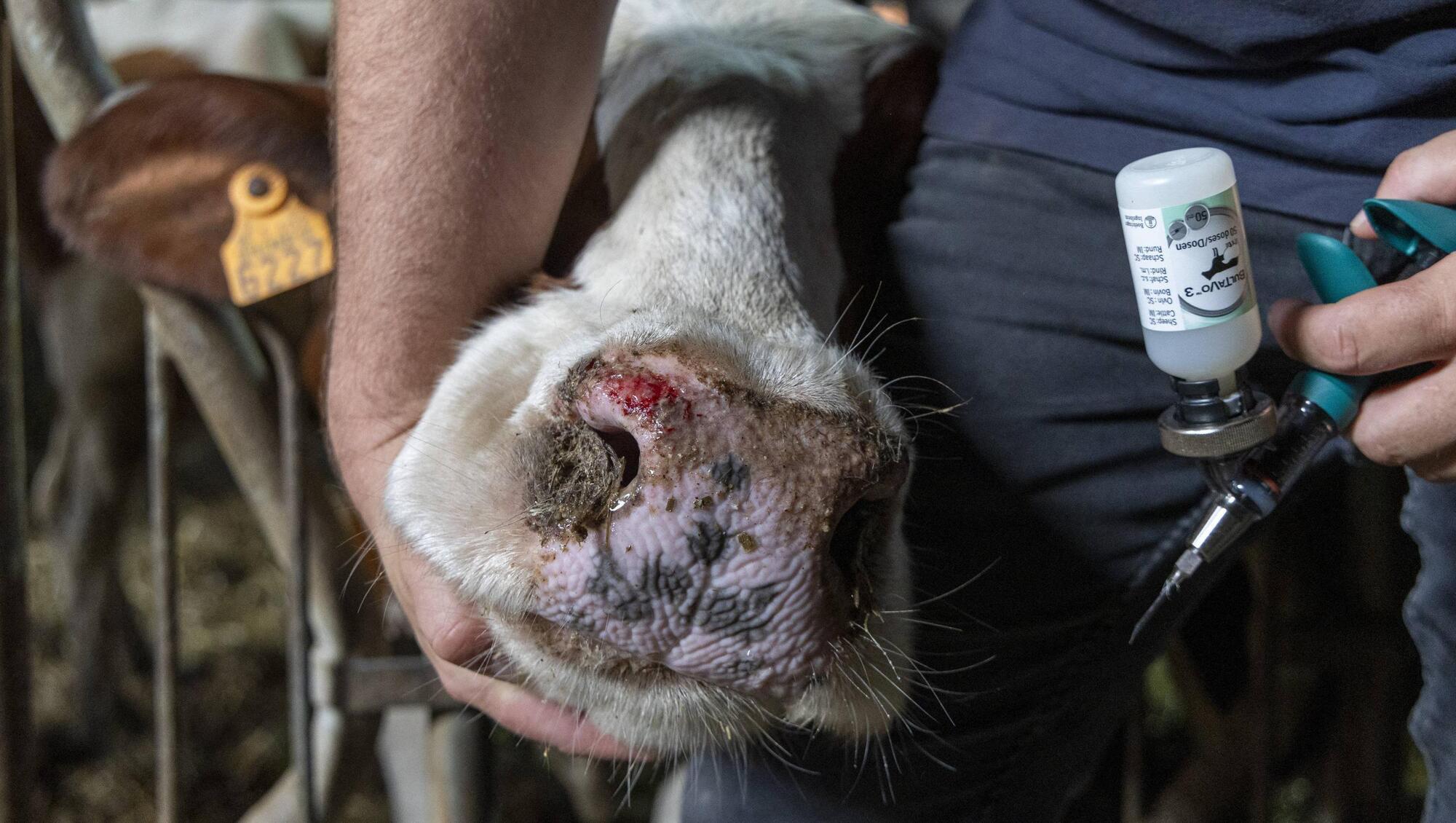
Ireland is now entering the high-risk period for BTV spread and infection.
All livestock owners have been reminded of the higher risk period for bluetongue virus (BTV) as temperatures increase.
Minister for agriculture, Martin Heydon, said: “As we enter the summer period when sustained warmer temperatures will make replication of bluetongue virus possible within infected midges, I would like to advise cattle and sheep farmers to consult with their veterinary practitioners, to decide whether to vaccinate their flocks or herds.”
BTV is spread via midges, and temperatures need to be greater than 12℃ for a sustained period for the virus to replicate within the midge and spread.
With BTV vaccination use being permitted this year, farmers are reminded that fully vaccinated sheep take three weeks to take full effect, and cattle vaccination takes six weeks, and it is important to discuss with your vet now on whether or not to vaccinate.
The minister further explained that BTV vaccination can reduce the impact and severity of bluetongue virus on livestock and, in that way, mitigate both animal health and welfare issues and the production losses which an infection may cause.
Minister Heydon went on to say: “In March, I added bluetongue vaccination as one of the optional measures under the 2026 National Sheep Welfare Scheme as well as the 2026 Beef Welfare Scheme, due to open in August as it did in previous years.”
Farmers can obtain vaccinations from their veterinary practitioner, who must be licensed by the department to distribute. Details on the licence requirements, as well as general information on the disease, are available on the department website.