Drugs crisis: Deprived areas have 13 times the addiction treatment rates of affluent areas
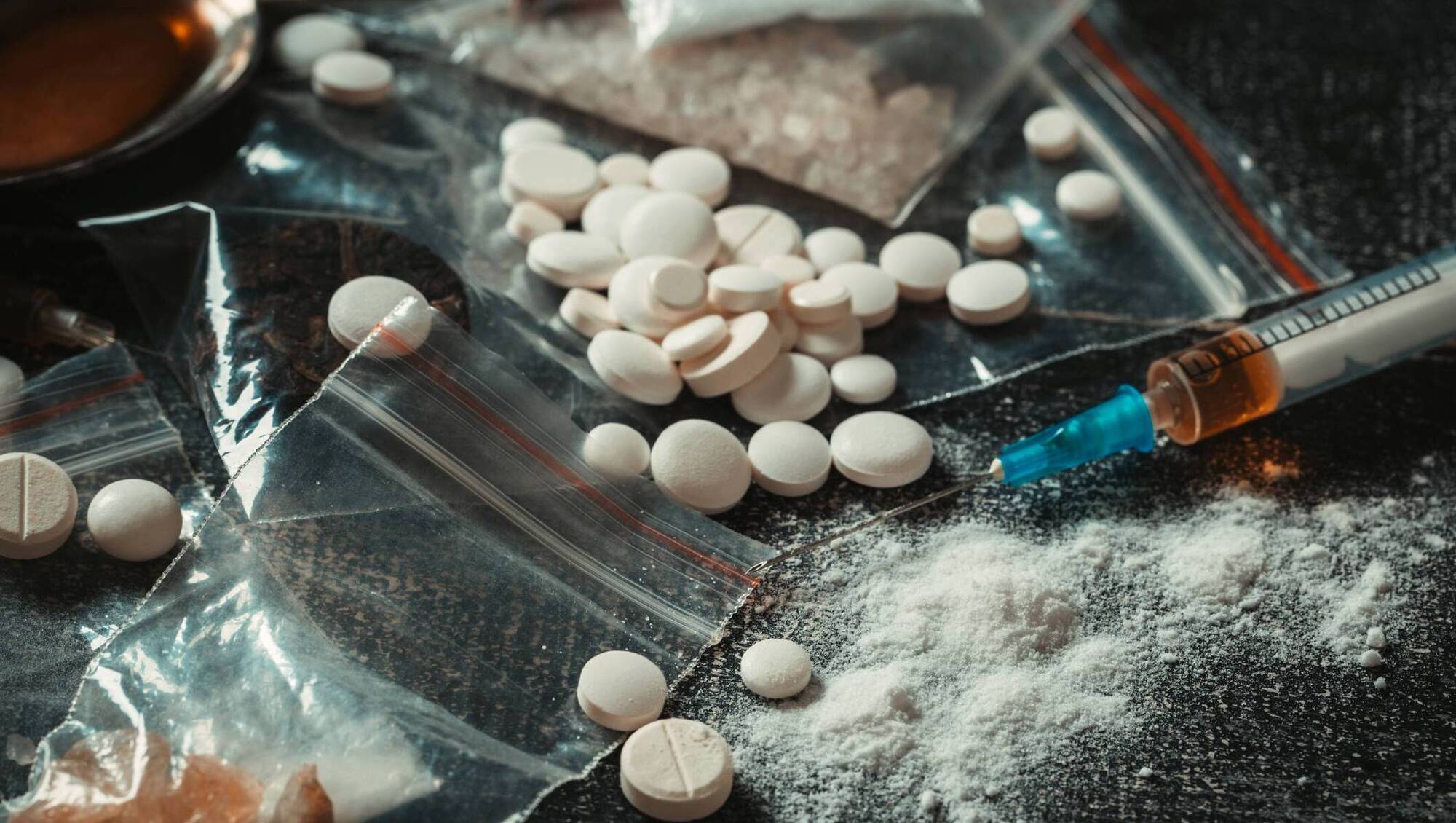
Report compiled by the Health Research Board and Pobal says the findings provide evidence for aligning funding with deprivation. Picture: Natalia Shabasheva/iStock
Addiction treatment rates are 13 times higher in the country's most disadvantaged areas than the most affluent.
New research shows it rises to 41 times higher for heroin and crack cocaine.
The study says that while problem drug use is “ubiquitous” across all communities it is “disproportionately concentrated” in more disadvantaged communities.
The report, written by the Health Research Board and Pobal, says the findings provide evidence for aligning funding with deprivation.
Read More
“Communities experiencing disadvantage would benefit from heightened supports which are proportionate to the scale and intensity of their need,” it states.
The study says the findings should “inform” the new national drugs strategy, which it due to be finalised later this year.
The draft strategy received criticism from community and voluntary bodies for reducing the focus on deprivation and drug harm.
Commenting on the report, drugs strategy minister, Jennifer Murnane O’Connor, said: “This research comes at a critical point as we develop our new national drugs strategy.
“The research clearly demonstrates the strong link between disadvantage and drug related harm, while demand for addiction treatment is reflected across all social categories, the most disadvantaged communities account for a disproportionate share of those in treatment.”
She added: “This underlines the importance of using evidence to drive policy, target investment and shape services where they are needed most.”
The study gathered data from the National Drug Treatment Reporting System in 2024 and the 2022 Pobal HP Deprivation Index.
This captured 20,970 treatment episodes, with 19,339 episodes linked to the Pobal 'small area' deprivation information.
The report said: “The study has demonstrated the strong relationship between area-based disadvantage and addiction treatment episodes: Living in a deprived area is strongly associated with use of drug and alcohol treatment services.”
It said this relationship becomes “more pronounced” as the deprivation increases, with the highest rate of treatment episodes seen in the most deprived areas.
“The rate of addiction treatments in the most disadvantaged areas is 13 times higher than in the most affluent areas,” it said.
For certain drugs, the relationship is more pronounced:
"The pattern of higher treatment rates in more disadvantaged communities holds across every deprivation band and across every drug type.
"The relationship between deprivation and treatment is weakest for alcohol, although rates are still 7.5 times higher in the most deprived areas compared with the most affluent ones.”
The study said just 4% of the population lives in areas classified as very, or extremely, disadvantaged - but that these areas accounted for 15% of treatment cases.
Areas classified as disadvantaged represent 10% of the population but made up 20% of treatment cases.
The study found there was "little variation" in cocaine treatment across the urban and rural divide. This excludes crack cocaine, which, along with heroin, is "most concentrated" in deprived communities.
- Cormac O’Keeffe, Security Correspondent
CONNECT WITH US TODAY



Be the first to know the latest news and updates