Alan Healy: Limerick is now beating Cork where it really counts
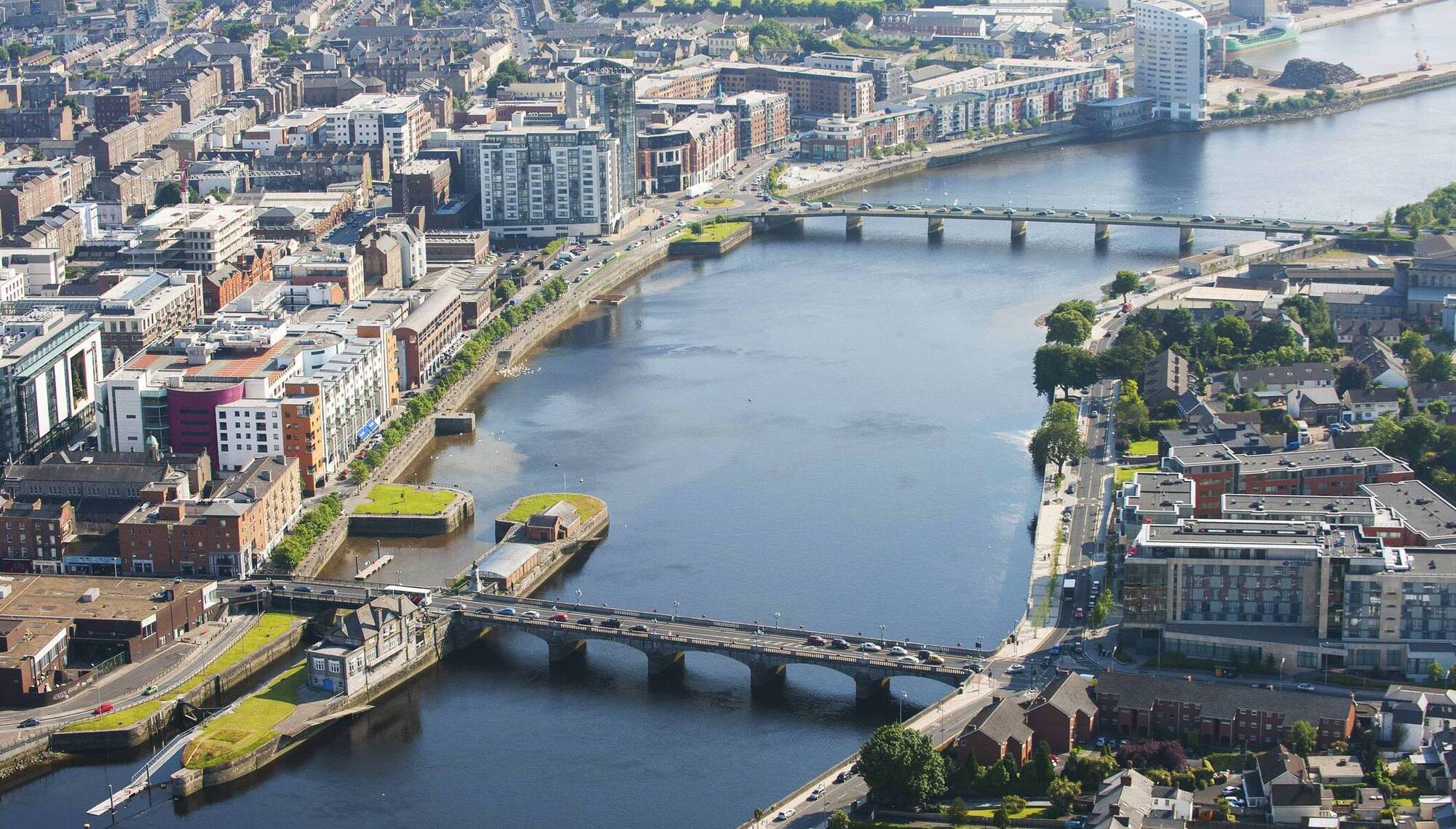
Limerick is the second wealthiest county in the State by disposable income per person.
The public is now well-versed in the Cork and Limerick rivalry that takes place each summer on the hurling pitch. It is one in which Limerick has fared much better in recent years.
But there is another scoreboard, outside Croke Park or the Gaelic Grounds, where Limerick has quietly pulled ahead. This one is not being watched by sports fans but by wealth managers who are closely following where the money is.
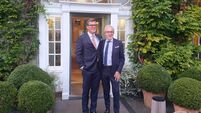
Stockbrokers Davy last week opened a dedicated office on O'Connell Street, headed by a Limerick native and backed by a team of regional wealth specialists. This decision was not taken on a whim. Davy themselves were open and direct about the reasoning.
Their client numbers in the region have almost doubled over five years, and assets under management by the firm have more than trebled, with growth in Limerick significantly outpacing the wider group average.
What they noticed shows up in the numbers. The latest county income data from the Central Statistics Office has Limerick as the second wealthiest county in the State by disposable income per person, at €30,879, ahead of Cork at €30,748. It is not a landslide, but the gap is there.
True intercounty rivalry belongs on your sporting field, where one team's win is the other's loss, but regional economics does not work that way. A stronger region, city or county rarely comes at the expense of another. And behind the trend in growth in the Mid West is a similar story of the wider Irish economy, one that is dominated by multinationals.
Companies like Analog Devices have been at Raheen since the 1970s and have been deepening their roots, most recently with a €630m investment expected to grow its Limerick workforce past 2,000.
Eli Lilly's biotech manufacturing campus, also at Raheen, has been expanding. They are not outliers. There are now 28,125 people directly employed by 158 IDA client companies across Limerick, Clare and Tipperary, with a further 22,500 jobs estimated to be supported indirectly. IDA-backed employment across the Mid-West has grown 18% over five years. Limerick city itself is where the interest is sharpest: it recorded the highest number of IDA site visits of the three counties last year, well ahead of Clare and Tipperary. Between that multinational base and the wider group of roughly seventy Irish-owned businesses of scale that has grown up around it, the Mid-West has a strong economic engine.
The region's economic growth still trails Cork in absolute scale. Net tax receipts collected in Cork in 2025 ran to roughly €19.2bn, against Limerick's €1.9bn, a gap driven overwhelmingly by corporation tax, with Cork's multinational base, anchored by the likes of Apple and its own Eli Lilly manufacturing operations in Kinsale, contributing close to €13.8bn of that figure alone.
Both regions are now doing exactly what the State asked and needs of them. The National Planning Framework has for years described Dublin's dominance as "neither desirable nor sustainable," and set a target of directing three-quarters of the country's future growth outside the capital, with Cork, Limerick, Galway and Waterford named as the four cities meant to absorb it. Population trends suggest each is doing so in its own way rather than at the other's expense: Cork remains the bigger city by far, and its recent growth has been broad and suburban, spreading through Carrigaline, Ballincollig, Midleton and Cobh, while Limerick is growing fast off a smaller base, on track to nearly double in size by 2040 under the framework's own targets.
Neither region should resent the other. Both are, in their own way, evidence that the same policy is working. Unlike Munster hurling, regional growth is not a zero-sum game.
But that same policy which has delivered Ireland unparalleled economic success comes with warnings, and they are repeated in the mid-West. Limerick Chamber warned that the region remains too reliant on this small number of large multinational employers. It wants the Government to back local infrastructure and support small and medium businesses so that growth does not stay concentrated in a handful of corporate campuses.
It is a familiar warning. Swap Limerick for Ireland, and swap Analog Devices for Microsoft, and you have almost exactly the same warning the Irish Fiscal Advisory Council and the Central Bank have been giving the State for years: that prosperity resting on a small number of very large companies is real, but it is also fragile. Limerick's rise is a genuine good news story. It is also, in miniature, the story of the country it belongs to.
A collection of the latest business articles and business analysis from Cork.
CONNECT WITH US TODAY



Be the first to know the latest news and updates