Revolut current account usage doubles
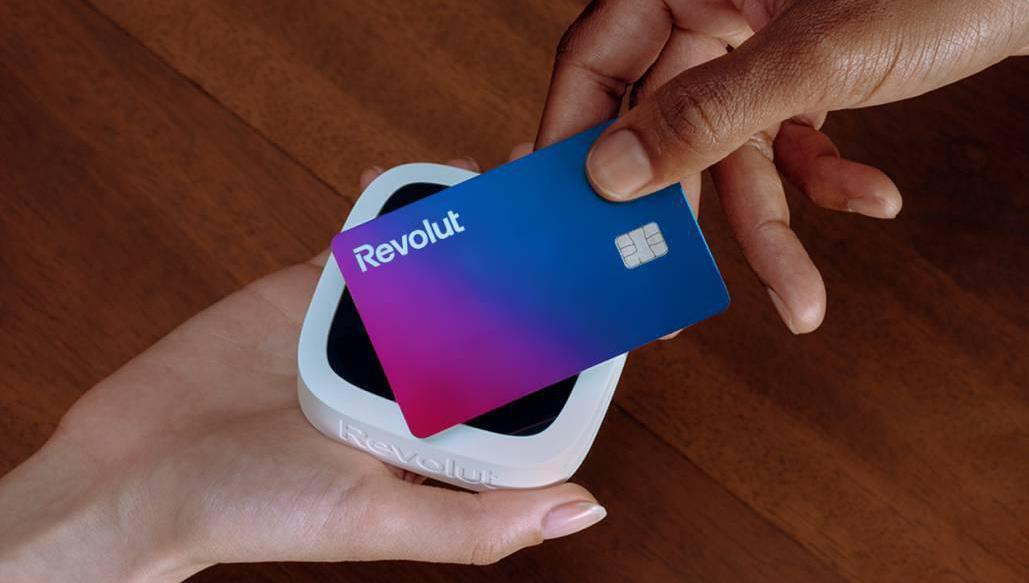
Survey finds those paying with debit cards has declined as paying with a smartphone has increased.
The number of Irish customers using digital bank Revolut as their main current account has doubled in the past year but remains far below the market share held by the three pillar banks.
The annual Consumer Sentiment Banking Survey from the Department of Finance shows AIB remains the dominant banking provider, with 39% of people using it as their main current account, followed by Bank of Ireland at 34% and PTSB at 13%.
The survey of more than 1,500 adults found that those using Revolut as their main account had doubled from 3% to 6%, with 3% of the population using their credit union as their main account and 2% using their post office account. However, the survey found that almost half of the population uses Revolut, making it the most widely used financial provider overall, but it is used mainly to transfer money to other people.
When it comes to paying for goods, 38% of people prefer to pay in shops by debit card, down nine points in a year and down from 57% in 2022. Paying by smartphone is up eight points to 35%, suggesting payment by phone could surpass paying with a debit card over the next year.
According to the survey, 77% of Irish consumers have savings accounts, compared with just 3% who invest their money and 1% who have invested in cryptocurrencies.
Tánaiste and Minister for Finance Simon Harris said the results highlight the barriers to investing in Ireland. "We are a nation of savers, but far too few people see investing as an option open to them," he said.
Next July sees the introduction of the new Investment Account, designed to make investing more easily with no minimum contribution and a tax-free threshold of €50,000.
“For many, investing feels too complicated, too expensive or simply out of reach. I want to change that. People should not need substantial savings or specialist knowledge just to consider putting money aside for their longer-term future.
“This is not about telling everyone to invest. There are risks, and people need clear information to understand them. It is about breaking down unnecessary barriers and giving more people the confidence and opportunity to make the financial choices that are right for them.”

CONNECT WITH US TODAY



Be the first to know the latest news and updates