Bat rehab centre 'asking people to share their homes' with wildlife
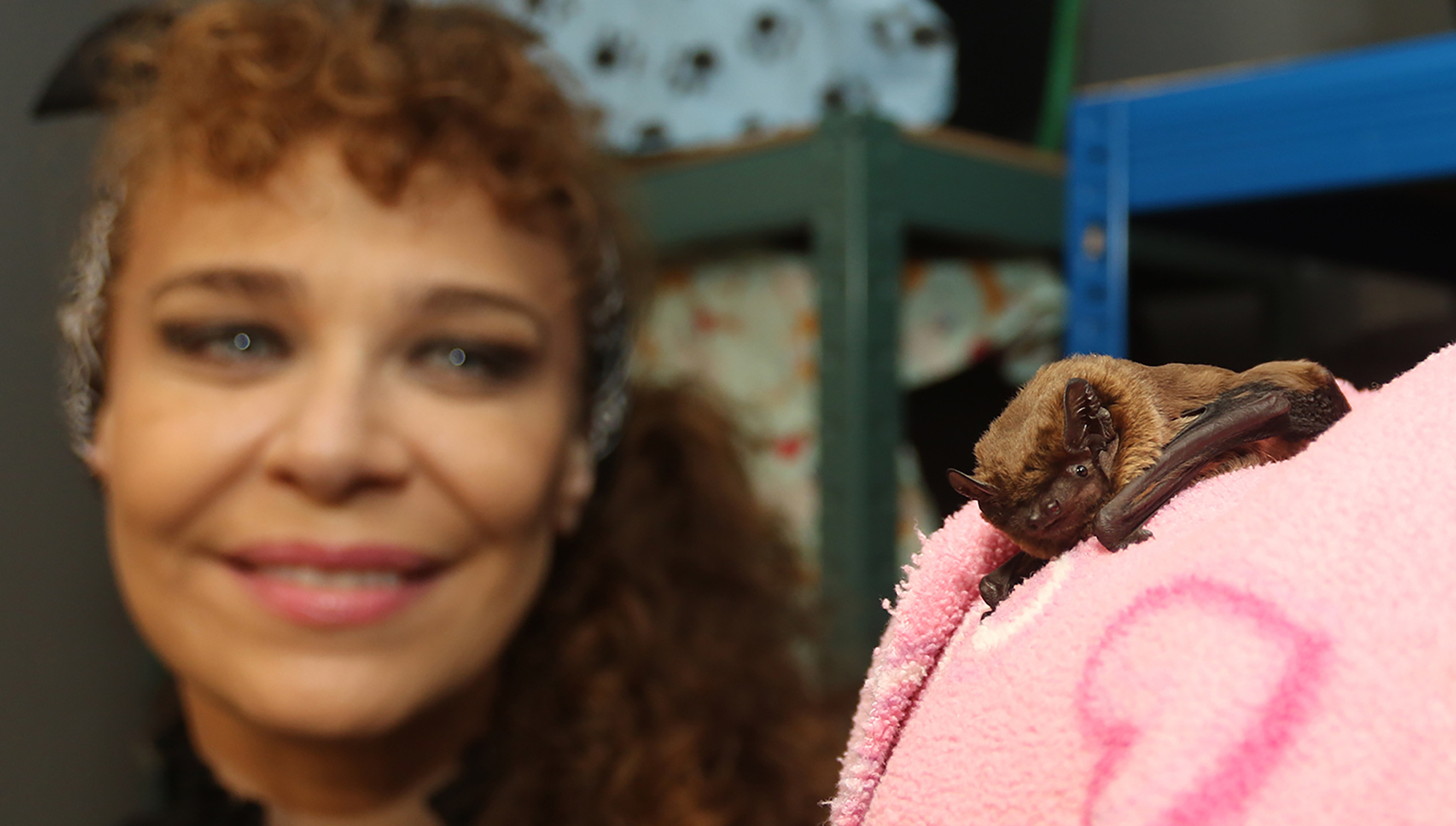
 Susan Kerwin with one of her bats at home in Bruree, Co Limerick. Picture: Brendan Gleeson

Susan Kerwin with one of her bats at home in Bruree, Co Limerick. Picture: Brendan Gleeson

Homeowners are reaching out to the country’s only bat rehabilitation centre after finding themselves unable to exterminate the creatures due to legislation.

Bat Rehabilitation Ireland has received 400 calls to date this year, many of which were from homeowners.

All bat species in Ireland are protected under the Wildlife Act 1976 in addition to subsequent amendments and the EU Habitats Directive. 

This means that many people living with bats are at a loss about what to do with their uninvited house guests.

Susan Kerwin, who founded Bat Rehabilitation Ireland, is urging people to be more tolerant.

“We are asking people to share their homes and their roof spaces with wildlife, and understandably that can be difficult for some,” she told the Irish Examiner.

“However, bats provide an important ecosystem service simply by being insectivorous. 

"They consume enormous numbers of insects, including species that people often consider pests. 

"Bats are protected wildlife, and the solution should never simply be to remove them. We need to find ways for people and bats to coexist.

“One of the most challenging parts of the work is convincing people just how valuable bats are. These are gentle animals. 

"The vast majority of the bats that people encounter want absolutely nothing to do with us. 

"There is still a great deal of fear surrounding bats. I think some of that fear can be attributed to covid-19 because bats became associated with disease. 

"This is despite the fact that bats have been living alongside us for generations.”

Ms Kerwin encounters all manner of injuries.

“The injuries we see range from cat attacks, which are probably one of our highest sources of admissions, to bats becoming trapped on glue traps and other sticky fly traps. 

"We also receive calls about bats that have accidentally become trapped inside houses, bats discovered when people are carrying out renovations, and bats that are found following the felling or falling of trees.”

Increasing demand

Meeting demand has been challenging.

“This year, we have dealt with more than 400 cases. What we are seeing is a slow and steady increase in the number of cases we deal with. 

"What makes that particularly interesting is that we are also seeing changes in the wider environmental conditions in which these animals are living.
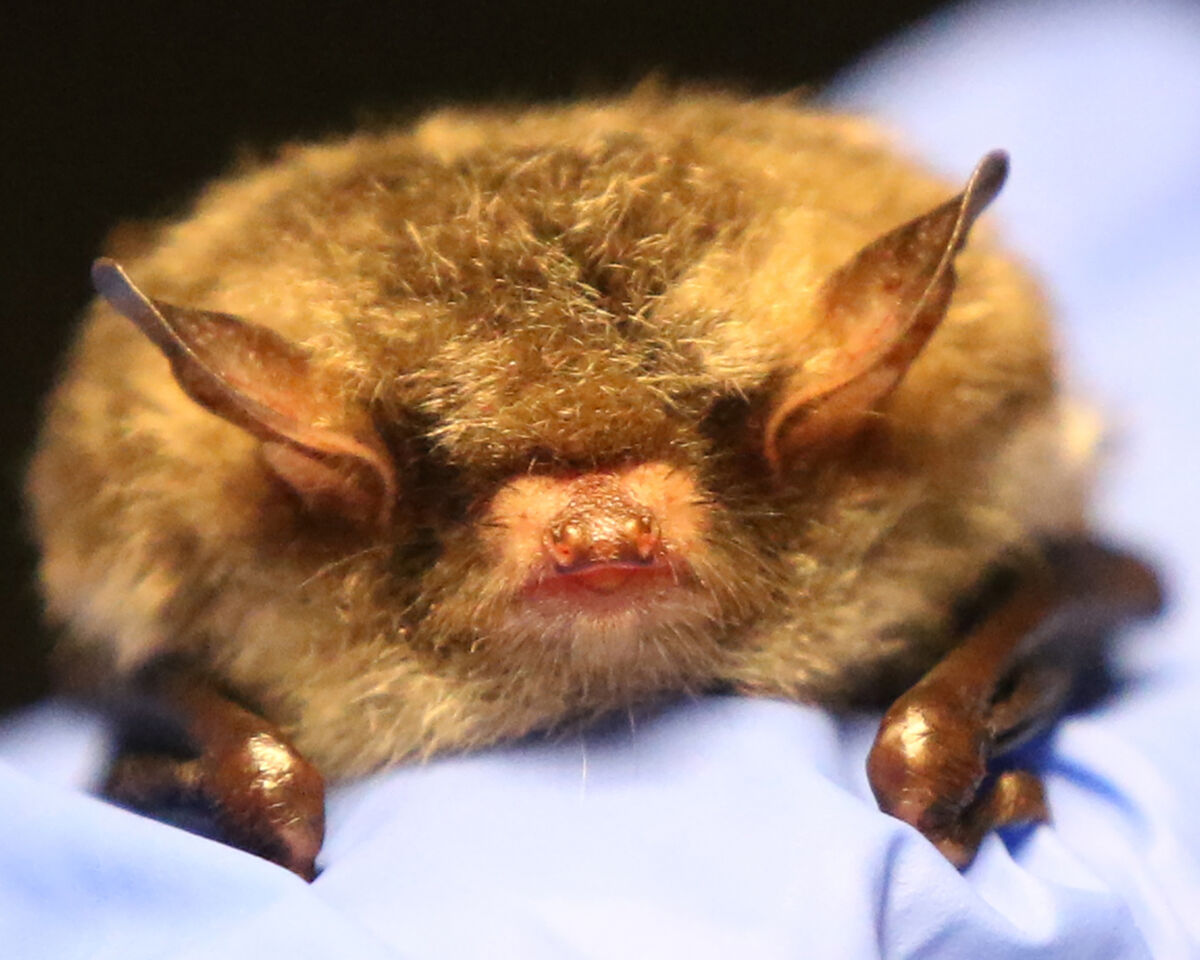
One of the Bats at the centre. Picture: Brendan Gleeson

“One of the things that increasingly concerns us is the effect that warmer temperatures may be having on bats. 

"This year, we have seen bats coming with issues that seem to be linked to unusually high temperatures. 

"We have seen young bats in circumstances where their maternity roost appears to have become excessively hot and cases where pups have become separated from their mothers.

“I don’t want to claim that every one of these cases is caused by climate change, because rehabilitation observations alone cannot establish that. However, when you are dealing with wildlife every day, you notice patterns, and some of the things we are seeing deserve proper scientific investigation.

“Bats are small animals with very high metabolic demands. Their roosts provide an important microclimate, particularly for maternity colonies and developing pups. 

"Research from Europe has already shown that extreme heat can make bat roosts dangerously hot and that heatwaves can result in increased numbers of bats requiring rehabilitation.”

She reiterated the importance of bats to our ecosystem: “Bats are particularly important because they are relatively slow-reproducing animals. 

"A female generally produces only one pup a year. We therefore cannot afford to lose large numbers of animals unnecessarily. Every healthy adult female that we return to the wild matters. Every pup that survives matters.”

Hopes for the future

Ms Kerwin spoke about her hopes for the future of the organisation: “Our job is to rescue an animal when it needs us, give it the care it needs and return it to the wild.

“However, the bigger goal is to create a world where fewer bats need rescuing in the first place. 

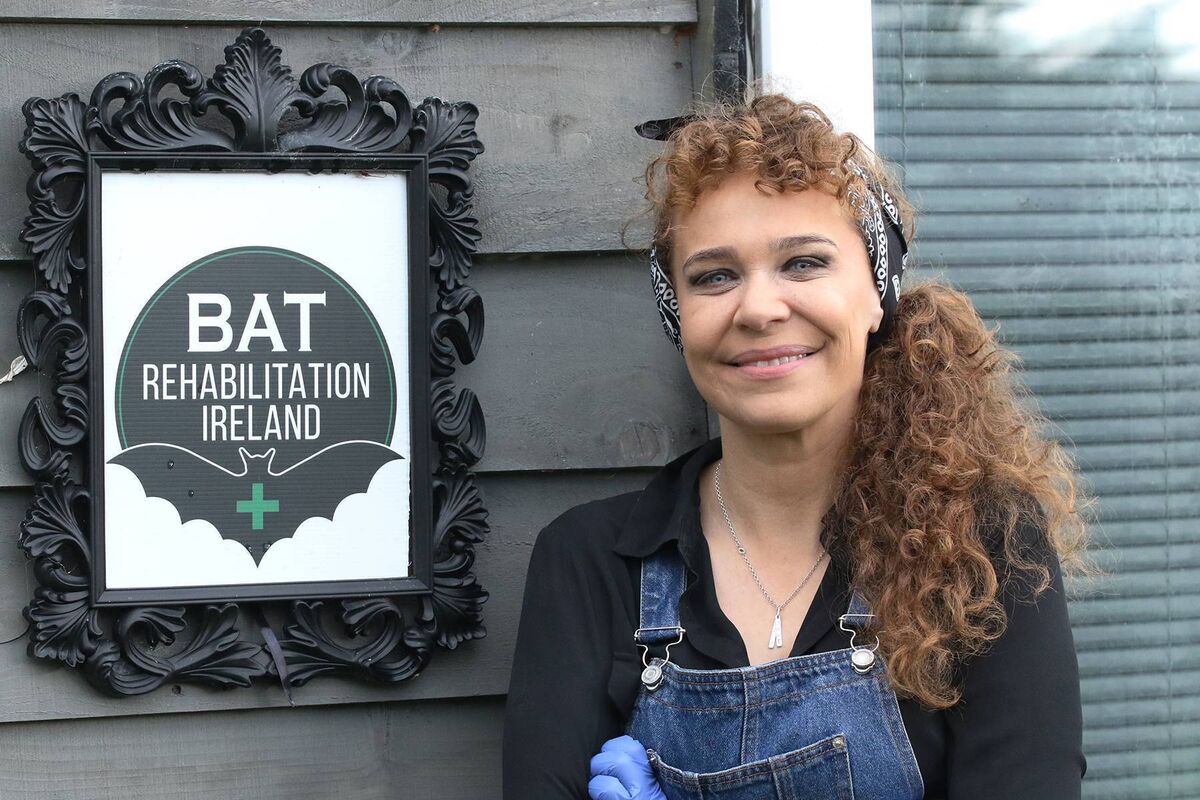
Susan Kerwin founded Bat Rehabilitation Ireland. Picture: Brendan Gleeson

"This means protecting their roosts and the habitats supporting their insect prey, reducing unnecessary harm from pesticides and maintaining hedgerows and natural habitats.

“The bats coming through our doors are individual animals, each with their own story, but collectively, they can also tell us something about the environment around us, and I think we need to start listening.”

More in this section

Lunchtime News

Newsletter

Get a lunch briefing straight to your inbox at noon daily. Also be the first to know with our occasional Breaking News emails.

Cookie Policy Privacy Policy Brand Safety FAQ Help Contact Us Terms and Conditions

© Examiner Echo Group Limited