John Whelan: Ireland took a harder hit than the rest of the world in Meta's layoffs
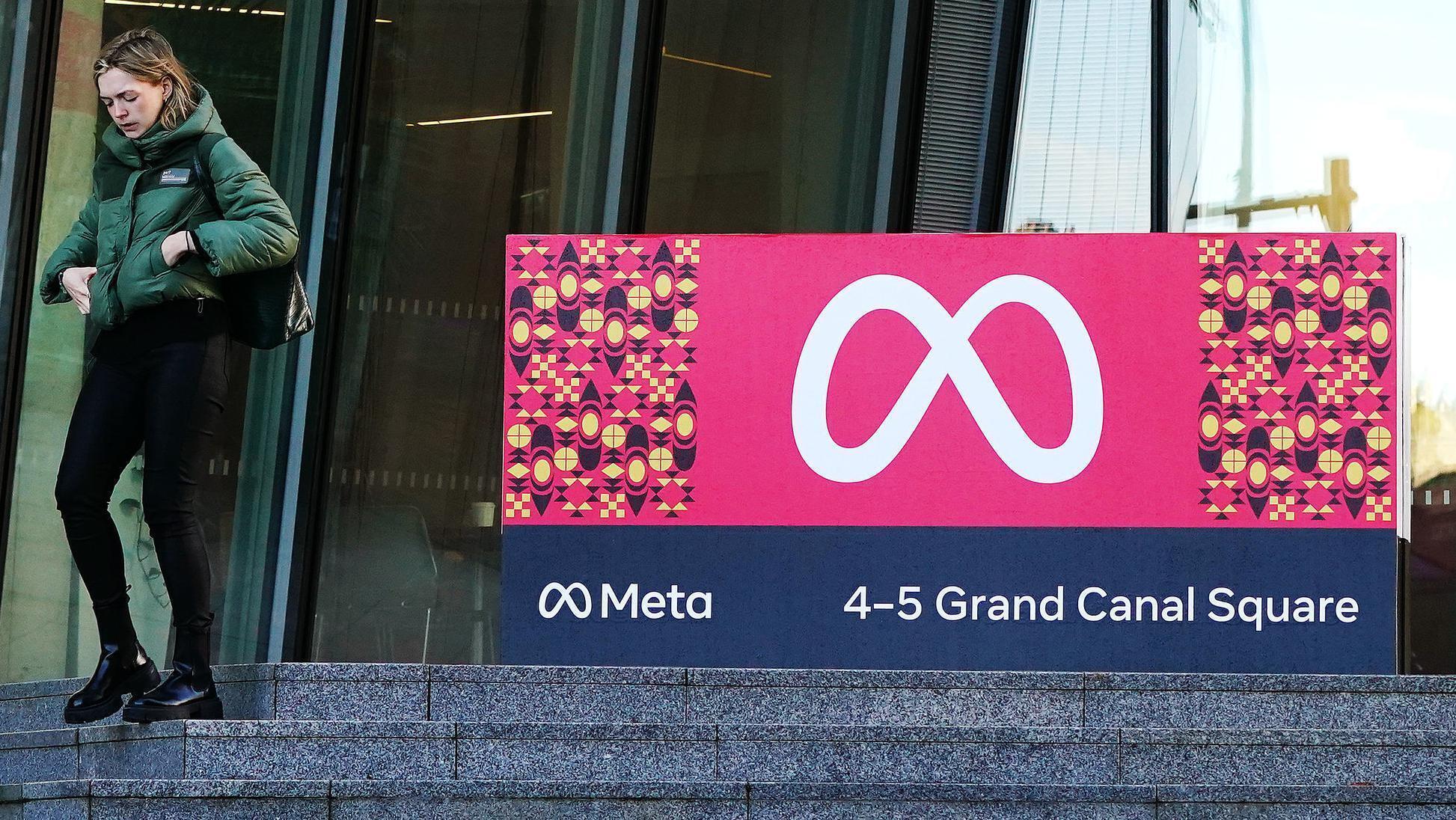
The massive expenditure on AI has forced Meta into a major workforce shake-up, initiating a 10% global staff cut.
Mark Zuckerberg spent most of the time at Meta’s 2026 Annual General meeting last week explaining his AI strategy, which will soak up an estimated $125bn (€106.5bn) in the current year, a doubling on last year’s capital expenditure. He divided the company’s opportunities into four directions: using AI to improve core applications and advertising, creating personal AI agents, creating business agents, and developing AI hardware. He said this was "the most exciting moment in 20 years."
From 2010 to 2025, Meta sustained an average revenue growth rate of over 20%, accelerating rapidly during the post-pandemic digital ad booms and continuing through the recent AI investments, reaching $200bn (€172bn) in 2025. The revenue growth accelerated for the quarter ending March 31, 2026, with sales up 33% to $56bn (€48.5bn) year-over-year.
However, the massive expenditure on AI has forced Meta into a major workforce shake-up, initiating a 10% global staff cut, with the Ireland operations taking a heavier 20% cut, reducing its Irish workforce by 350 jobs. The heavier cut to staff in Ireland came as a surprise, as the Dublin-based regional headquarters acts as the primary hub for Facebook, Instagram, and WhatsApp outside of the US, accounting for over half of the Meta global revenue in 2025.
Read More
Analysts attribute the key drivers of the workforce reduction to the rise in operating costs, which in Q1 2026 was 35% of revenue, compared to 33% in the prior year, and the impact of the OECD 15% minimum tax rate for large corporations, effective since the start of the year. Excluding one-off tax adjustments and changes to tax laws, Meta management has previously indicated that an ongoing normal operating tax rate of 13% to 16% is expected in the future, which seems to indicate most of their corporation tax is paid in Ireland, rather than the higher 21% tax rate in the US.
The impact of AI on employment in the four major social media tech firms in Ireland, Meta, Google, TikTok and X, which currently totals 11,000 employees approximately, could be severe if the Meta cutback is symptomatic.
Meta confirmed earlier this year that it was planning subscription offerings as it seeks to diversify away from its excessive reliance on advertising, which currently accounts for 97% of its income stream and also the need to offset the growing costs linked to its AI expansion.
Other media companies were already pivoting to subscription-based models over advertising, but AI is accelerating that transition. Sites like YouTube and Instagram allow audiences to pay recurring monthly fees for exclusive access, badges, and members-only streams from their favourite creators. Platforms like X and TikTok have experimented with hybrid models where users pay a monthly fee to avoid seeing advertisements.
Meta confirmed in its press release last week that it will begin testing various subscription offerings, initially launching across Asia and South American markets. Currently, users can get Chatbox for free. In the new subscription-only offerings, users can acquire Meta One Plus to generate images, videos, and extended reasoning. The company is also testing subscriptions for its family of apps -- WhatsApp, Instagram, and Facebook. "We're offering premium tools that allow you to enhance presence, supercharge content, automate tasks, and protect your brand," said Naomi Gleit, head of product at the company. "These subscription plans offer richer ways to express and connect across our apps with more fun features to be added."
And whereas the sales growth for Meta and the other social media giants has been phenomenal, there are rising challenges due to a lack of content governance management. Recently, a California jury found Meta and Google liable for negligence in a landmark social media addiction trial, ordering them to pay millions in damages for designing platforms that harmed a young woman’s mental health. The plaintiff was awarded $6m (€5.17m) in damages, with Meta ordered to shoulder 70% of the blame and Google (YouTube's parent company) taking the remaining 30%. This was one of the first major "bellwether" cases of its kind to go to a jury, establishing a precedent that could impact over 1,600 similar pending lawsuits brought by individuals and school districts across the US.
On March 24, 2026, a New Mexico jury found Meta liable for misleading the public about child safety and endangering minors. The state was awarded $375m (€323mn) under New Mexico's Unfair Practices Act. Additionally, Meta was fined €1.2bn for illegally transferring user data out of Europe.
With millions of users generating content, social media platforms must find ways to maintain safe and trustworthy environments, or face increasing damaging fines and restrictive regulation.


CONNECT WITH US TODAY



Be the first to know the latest news and updates