John Whelan: Can Ireland make most of big tech's huge AI spending splurge?
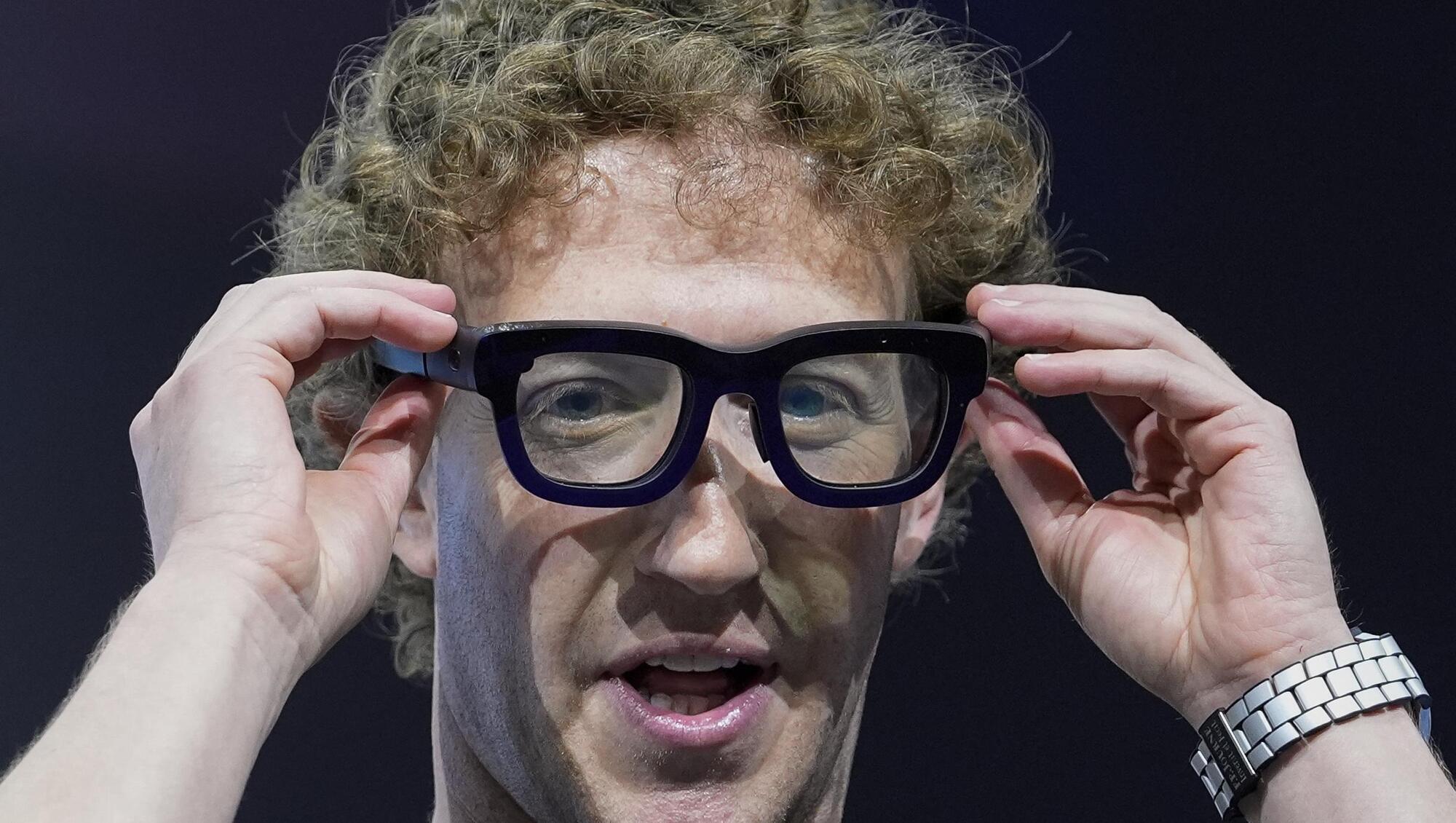
Meta boss Mark Zuckerberg. Meta has raising its 2026 capital expenditure forecast to a new range of $125bn to $145bn Picture: AP Photo/Godofredo A. Vásquez

The artificial intelligence boom looks unstoppable after Big Tech companies Alphabet, Amazon, Microsoft, and Meta outlined plans for more huge AI spending in their quarterly financial releases last week. Collectively, they will invest up to $665bn (€566bn) on AI this year, almost 75% more than the spend in 2025.
The standout was Google-parent Alphabet, delivering 63% growth in cloud-computing revenue. Despite research and development in AI increasing to $17bn, Alphabet's operating margin still expanded, signalling that it is monetising AI throughout its entire ecosystem products, such as YouTube and Google.
Executives at Alphabet said the figures could have been even better with more AI infrastructure. Amazon and Microsoft were similarly upbeat, although their larger cloud businesses couldn’t grow at quite the same rate.
Read More
While US tech companies dominate AI investment, a new study has found that Ireland, Germany, and the Netherlands are increasingly attracting AI talent, positioning Europe as a rising force in the global AI landscape.
Tightening US immigration rules are making it harder and less appealing for international students and workers to build careers there, prompting many to look elsewhere. At the same time, the pool of talent coming out of China appears to be shrinking, as visa regulations tighten internationally, according to the Germany-based think tank Interface who examined the data of 1.6m AI professionals across the globe, in producing their report.
Smaller European countries such as Ireland, Holland, Denmark and Luxemburg lead the table of numbers of AI professionals when just taking population size into account. Globally, the study ranks Ireland as the second-biggest market for AI talent in the world after Singapore, on a per capita basis.
Across the EU, Indian talent has grown over the past two years, which the study said reflects “ongoing efforts to increase cooperation between the EU and India”. As part of a free trade deal agreed between Brussels and Delhi in January, the EU promised to streamline visa applications from Indians. The trend been most evident in Ireland, where Indian employees account for almost 30% of its AI talent pool, up from 21% in 2024.
Attracting AI talent and putting it to good use is one thing, but holding onto it is another thing. It’s ultimately about attracting the bright minds that are capable of bringing us forward in this race.
Meanwhile, the huge AI investment is still causing investors some jitters. Meta was the culprit this time, aggressively raising its 2026 capital expenditure forecast to a new range of $125bn to $145bn. This is roughly double the amount spent in 2025. CEO Mark Zuckerberg attributed the increased spend to higher component costs, specifically memory pricing and increased data centre costs to support future-year capacity.
Big tech companies are primarily funding their massive AI investments through internally generated cash flow, leveraging exceptionally strong balance sheets, high-profit cloud computing services, and aggressive cost-cutting measures - including headcount reductions. As of early 2026, major tech firms hold significant cash reserves, with tech giants holding a combined $490bn in cash and equivalents by Q3 2025, enabling them to invest up to $700bn in AI infrastructure without immediate reliance on external debt. Wall Street analysts estimate total AI capital expenditures could now climb above $1tn in 2027, which could mean seeking loans from the banks.
With oil prices jumping last week to their highest level since 2022, on the prospect of the Trump administration resuming bombing on Iran, the spectre of interest rate hikes, and recessionary business spending cuts raises its head, and analysts are questioning the sustainability of further investments planned by the giant tech companies.