David McNamara: Andy Burnham faces daunting challenge to halt Britain's economic drift
Economic growth is moribund, public debt set to rise, and inflation is consistently above target
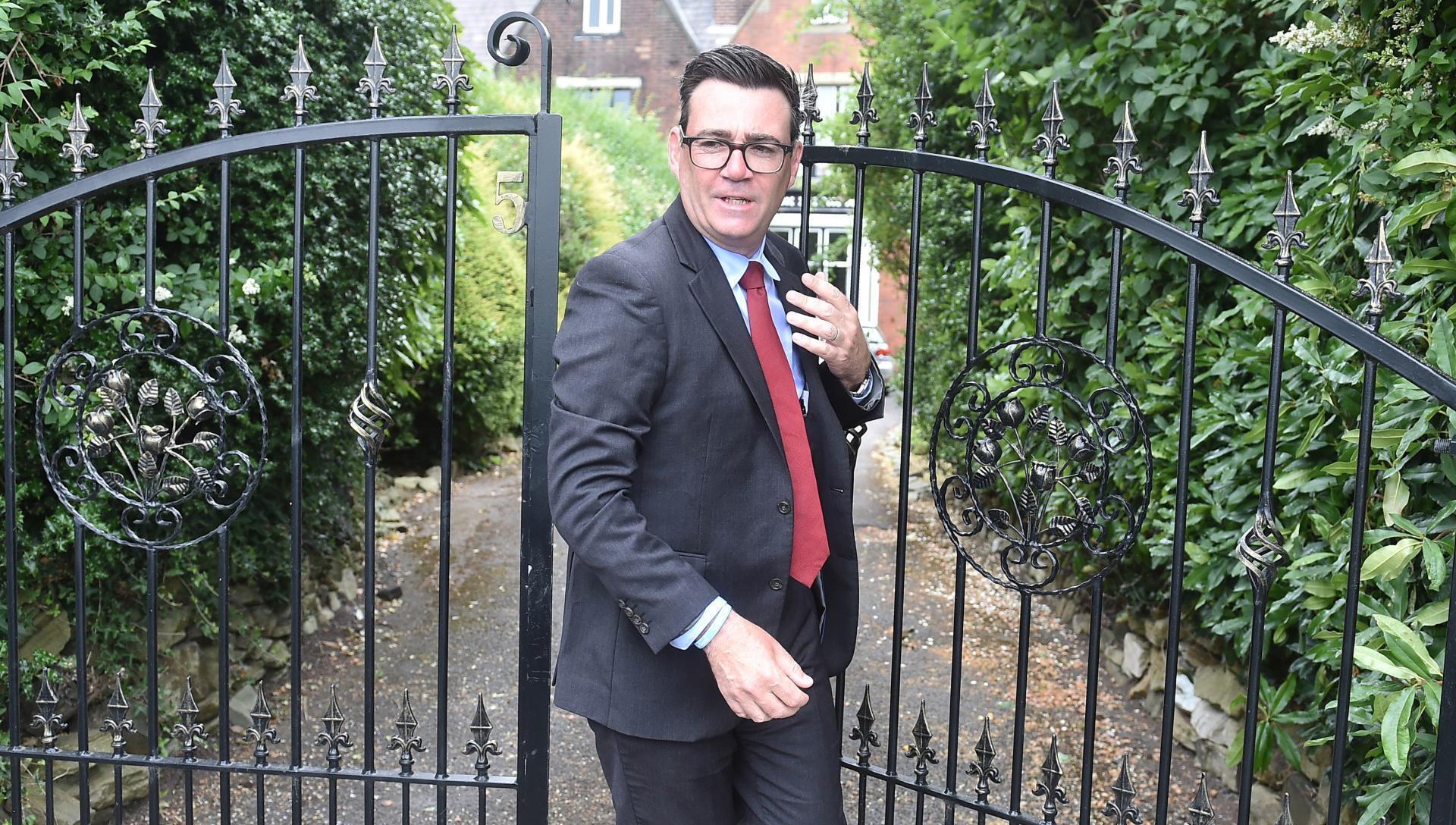
Andy Burnham outside his house in Warrington, Cheshire. Mr Burnham is hotly tipped to be the next British prime minister. Picture: Peter Powell/PA

Andy Burnham outside his house in Warrington, Cheshire. Mr Burnham is hotly tipped to be the next British prime minister. Picture: Peter Powell/PA

The removal of yet another British prime minister raises the risk of a further shift in economic policy. Nonetheless, bond markets remain becalmed for now, as investors await details on the political programme of the expected successor, Andy Burnham.

What little detail given by the prospective PM has majored on areas such as re-nationalising private utility companies, boosting public sector investment, and a further push towards devolution of powers to regional authorities. Mr Burnham’s record as mayor of Greater Manchester has also been marked by a consensual approach between public and private sectors, suggesting his premiership may not see too significant of a lurch to the left versus the current administration. He has also committed to operating within the bounds of the existing fiscal rules set down by current chancellor Rachel Reeves less than two years ago.


Nonetheless, the incoming PM will face the same economic challenges of his predecessor, with economic growth moribund, public debt set to rise further, inflation consistently above target for five years, and the Bank of England forced to maintain interest rates at near 4%. Indeed, in the first two months of the UK fiscal year in April and May, British government borrowing is already well above what was forecast by the UK's Office for Budget Responsibility in March.

Uncertainty could hold back investment

While the fall in oil prices and inflation could help to unwind some of this fiscal overshoot, the uncertainty created by the change of government could see GDP growth and tax revenues disappoint expectations for the rest of 2026. Businesses and households could potentially hold back on investment and spending decisions ahead of a first budget statement in the autumn by an expected new chancellor.

On the 10th anniversary of Brexit, business investment stands out as the most obvious area of damage following the rupture with the EU market. While services exports from the UK have held up well, goods exports have fallen, as UK firms have faced increased red tape and costs in trading with EU countries. Alongside other shocks such as covid and the Ukraine war, Brexit has dampened private sector investment in the UK economy in recent years, which has likely fed into structurally weaker productivity growth.

Indeed, over a longer timeframe, UK investment trends have even lagged the less-than-stellar eurozone, averaging around 17% of GDP between 2009-2024, compared to 20% in the currency bloc. With the UK economy underinvesting in its ‘supply side’, inflation has taken root to a greater extent than other G7 countries. This daunting economic inheritance is what faces Mr Burnham and his new chancellor in the coming months.

More in this section

Cookie Policy Privacy Policy Brand Safety FAQ Help Contact Us Terms and Conditions

© Examiner Echo Group Limited