David McNamara: The US Fed’s ‘say nothing’ strategy testing markets
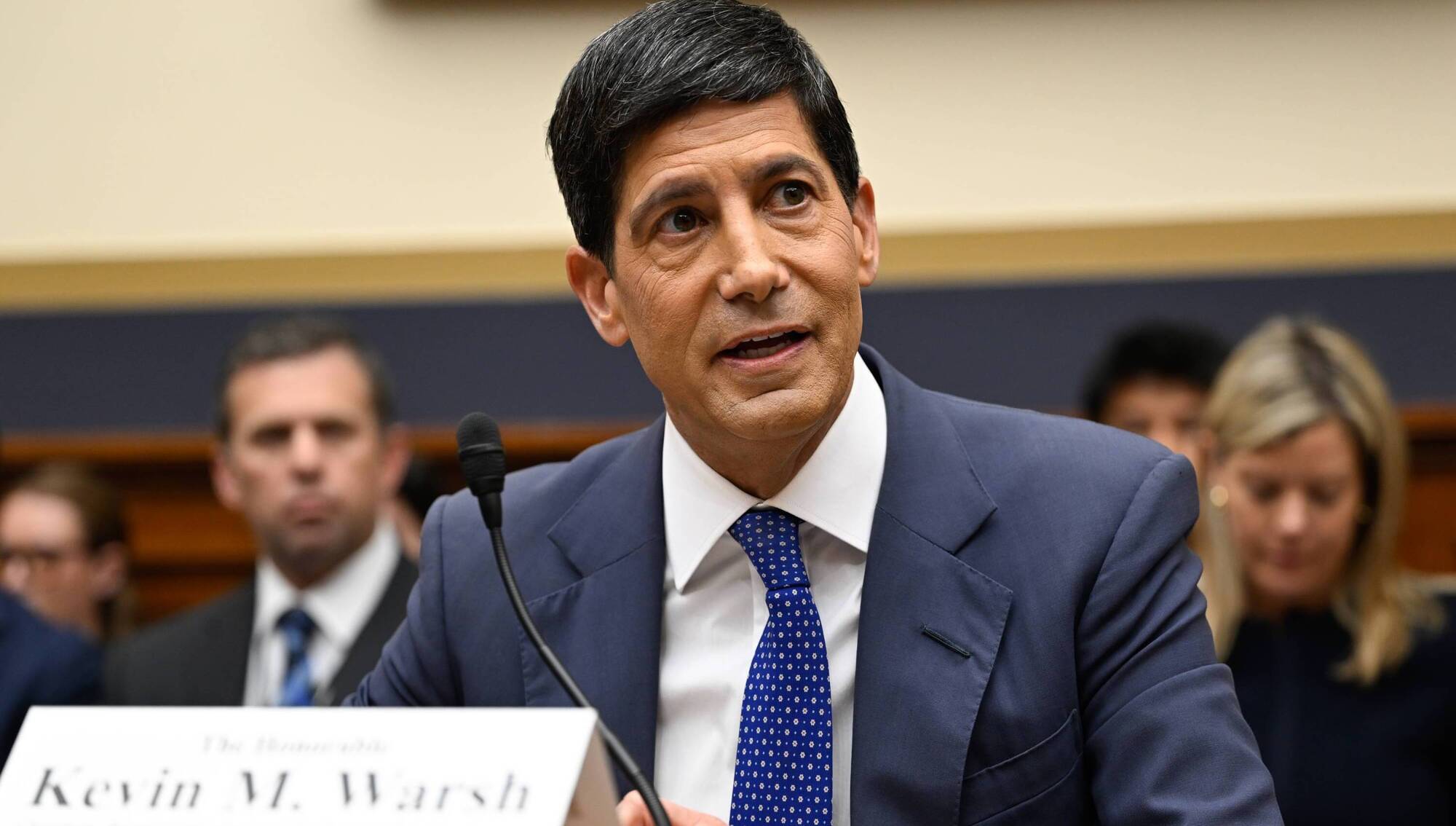
Chair Kevin Warsh eschewed providing forecasts for the Fed’s June macro projections, and the Fed has dramatically reduced the length of its monetary policy statements since his arrival
US Federal Reserve chair Kevin Warsh has eschewed providing forecasts for the Fed’s June macro projections. Picture: Bloomberg

US Federal Reserve chair Kevin Warsh has eschewed providing forecasts for the Fed’s June macro projections. Picture: Bloomberg

In the period since the US Federal Reserve monetary policy decision, pressure has mounted on new chair Kevin Warsh’s ‘say nothing’ strategy. 

The abrupt departure from any form of forward guidance has rattled bond markets and contributed to the rise in long-dated US Treasury yields. US 30-year yields are now trading around 5.2%, and while off the recent 5.3% peak, are over c.20bps higher since Warsh assumed the chair in May.


Most notably, Chair Warsh eschewed providing forecasts for the Fed’s June macro projections, and the Fed has dramatically reduced the length of its monetary policy statements since his arrival. In July, the statement dryly noted that the economy was “expanding at a solid pace” despite “elevated uncertainty”, while inflation remains high in part due to supply shocks.

Aside from a firm commitment at his press conferences to achieve price stability, the new chair’s inaction has brought criticism of the Fed, but Warsh is set to stick with the new approach despite the building pressure in bond markets. 

However, his long-term strategy is unlikely to be fully fleshed out until the conclusion of five taskforces he has set up to evaluate the Fed’s communications, balance sheet policies, data sources, productivity and the inflation framework. 

These taskforces may not report until end-2026 or early 2027. At that point, Warsh could use the findings as cover to remake an institution which has failed to hit its 2% inflation target for five years.

That strategy is likely to entail a renewed focus on interest rates as the primary monetary policy tool, with a reduction in open market bond purchases and a commensurate shrinking of the Fed’s balance sheet, which currently sits above $6 trillion. 

Based on recent speeches, it also appears Warsh favours lower interest rates in the medium term, believing that AI and other technological advances will drive a surge in productivity, ultimately reducing inflationary pressures.

This productivity prediction was likely the platform upon which president Trump selected Warsh as chair, but it has brought charges of political interference too. Indeed, the recent intervention by US and Japanese authorities in the currency markets to support the yen has drawn the Fed into the political sphere once again. 

The Wall Street Journal reported that US treasury secretary Scott Bessent wants the Fed to remove a cap on an emergency lending facility Japan may use to support its currency further. This facility allows the Fed to lend Japan dollars in return for US Treasuries as temporary collateral. 

However, as with outright bond purchase, this arrangement expands the Fed balance sheet, the opposite of the stated goals of chair Warsh.

The big picture is the US economy continues to outperform its peers and generate above-target inflation. For now, markets expect that will lead to near-term rate hikes, despite Warsh’s long-term disinflation thesis.

  • David McNamara is chief economist at AIB

x

More in this section

Cookie Policy Privacy Policy Brand Safety FAQ Help Contact Us Terms and Conditions

© Examiner Echo Group Limited