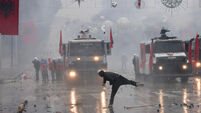
Refugee deal heralds ‘start of new relations’ between EU and Turkey
The emergency meeting at EU headquarters centred on a plan to offer Turkey €3bn, an easing of visa restrictions and fast-tracking of its EU membership process, in return for which Ankara is to tighten border security, and take back some migrants who don’t qualify for asylum in Europe.
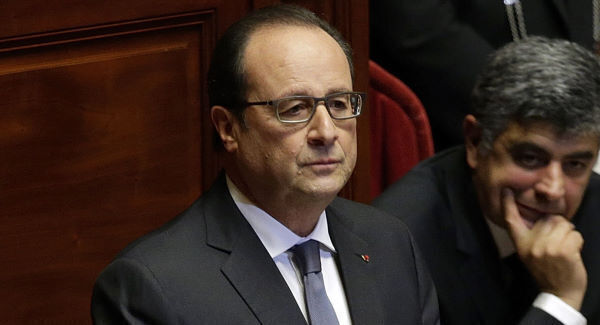
“I want there to be an agreement so that Turkey takes on commitments, Europe supports it, and the refugees can be welcomed,” French president François Hollande said.
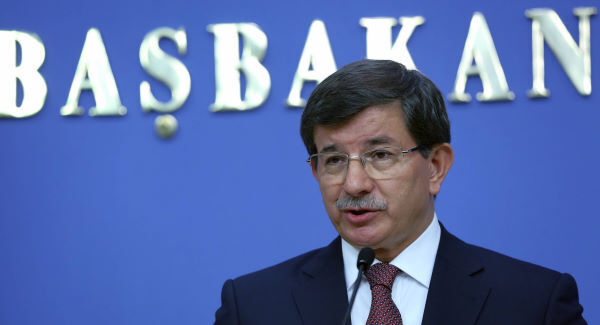
Turkey’s prime minister Ahmet Davutoglu said he was “thankful to all European leaders for this new beginning, which is not just a beginning of a meeting but the beginning of a new process, which is very important for the future of our common bond in Europe.”
Almost 900,000 people fleeing conflict and poverty have entered Europe this year seeking sanctuary or jobs. More than 600,000 have entered through Greece, many after making the short sea crossing from Turkey.
More than 2m refugees from Syria also live in Turkey, but according to Amnesty International, only around one in 10 are being helped by the government.
Even if support for closer relations with Turkey has often been lukewarm at best in many of the EU member states, the refugee crisis has forced a drastic revision of relations with Ankara.
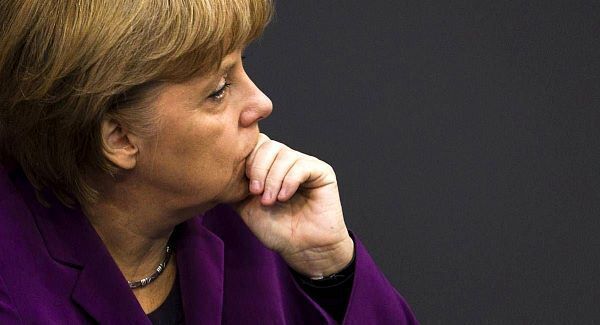
“Turkey is right to expect that the EU provides relief,” said German chancellor Angela Merkel.
Others though pointed out that any aid had to be offset by Turkish commitments on reform and respect for human rights.
The migrant crisis has shaken the EU to its core over the past few months when several member states proved unwilling or unable to deal with the arrival of thousands of needy people on their borders.
Tusk said the future of Europe’s 26-nation passport-free Schengen travel area was in jeopardy.
“The most important one is our responsibility and duty to protect our external borders. We cannot outsource this obligation to any third country. I will repeat this again: without control on our external borders, Schengen will become history,” Tusk said.
EU foreign policy chief Federica Mogherini said there was enough to bind both sides together.
“Turkey and Europe need each other. We are facing the same problems — from the war in Syria to terrorism to the stability or instability for the region — we can be partners. We have to put all the issues we have on the table.”

BLACK FRIDAY
Already a subscriber? Sign in

CONNECT WITH US TODAY



Be the first to know the latest news and updates