Global projects offer valuable models for Ireland's net zero ambitions
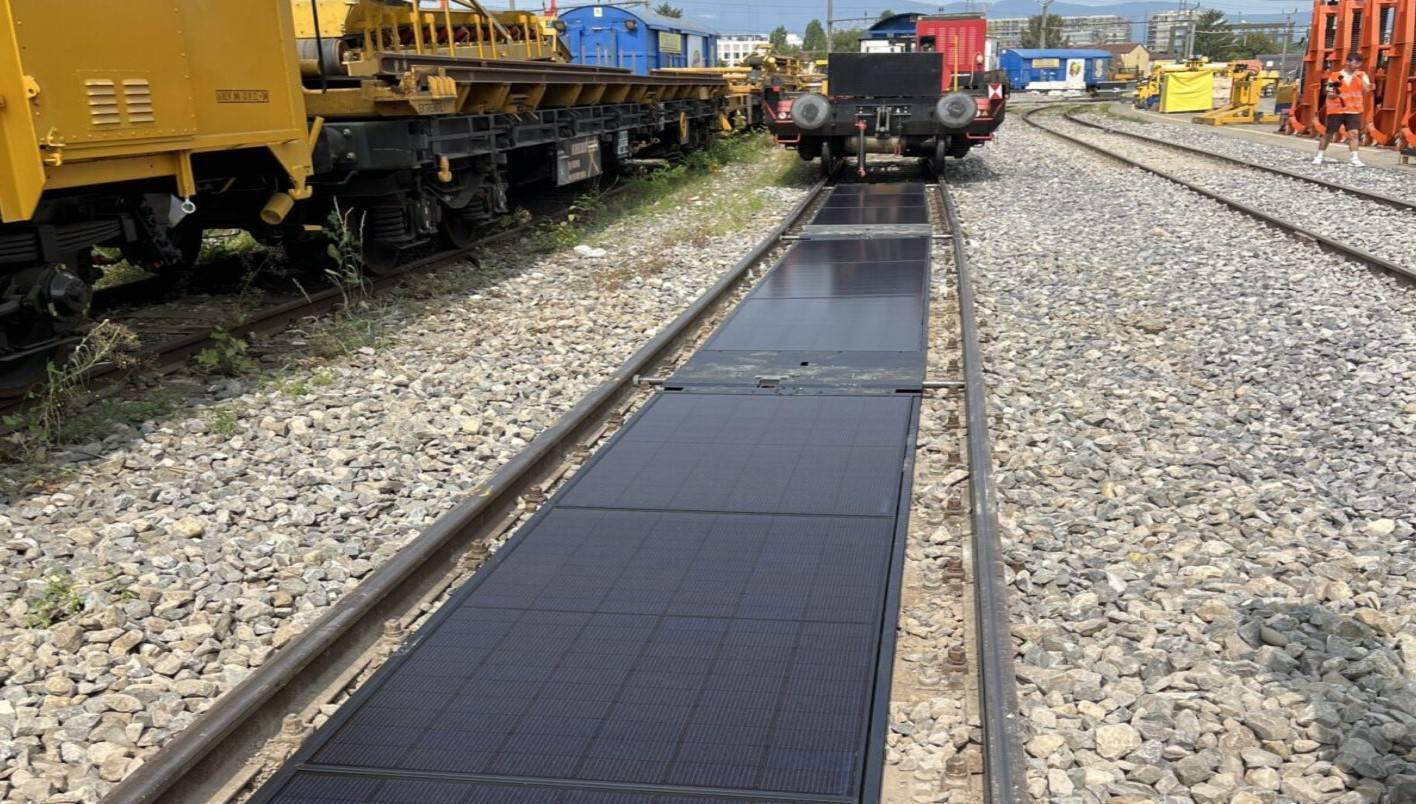
In Switzerland, a project by the Swiss start-up company Sun-Ways will see for the first time, trains passing over solar panels installed like carpet, on railway tracks.
The road to net zero is paved with good intentions and conflicting priorities. Daily, we learn of actions and inactions that advance or slow that crucial universal goal.
While 2023 delivered nine consecutive months of the hottest-ever temperatures on Earth, we are heartened by the trail-blazing initiatives that drive progress forward: January next year will see the roll out of an innovation at Switzerland’s western canton of Neuchâtel. The project, by Swiss start-up Sun-Ways, will see for the first time, trains passing over solar panels installed like carpet, on railway tracks.
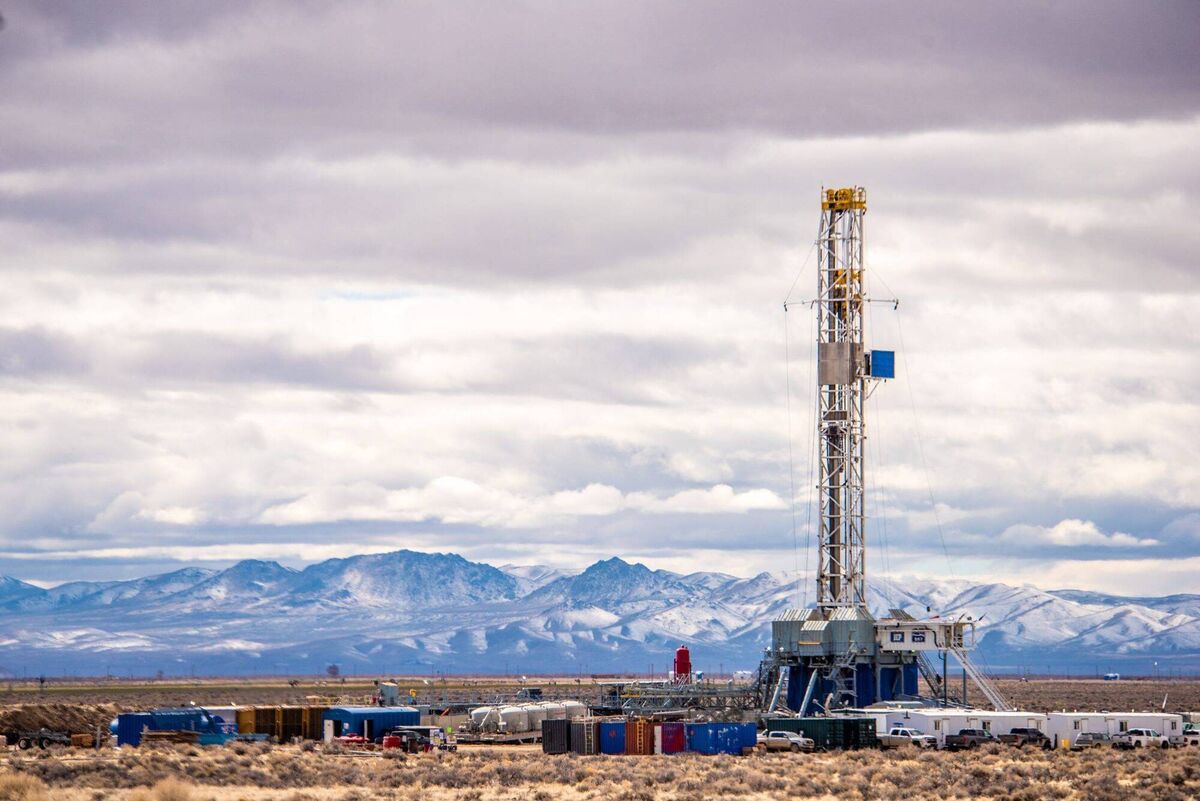
In Utah, Fervo Energy’s $2 billion geothermal project at Cape Station, involves much drilling. But nobody’s drilling for gas there. Instead, the energy resource company is focused on harnessing heat through enhanced geothermal systems (EGS). Sourcing underground heat that will generate carbon-free power is the goal.
While some energy transition strategies scale up, others scale back: In February of last year, BP lowered to 25%, its previous 40% goal to reduce its 2019 levels of gas and oil production by 2030. This figure would see BP producing 2 million barrels per day at the end of the decade. In recent weeks, its energy transition strategy scaled back again, with energy transition taking a back seat to near-term returns.
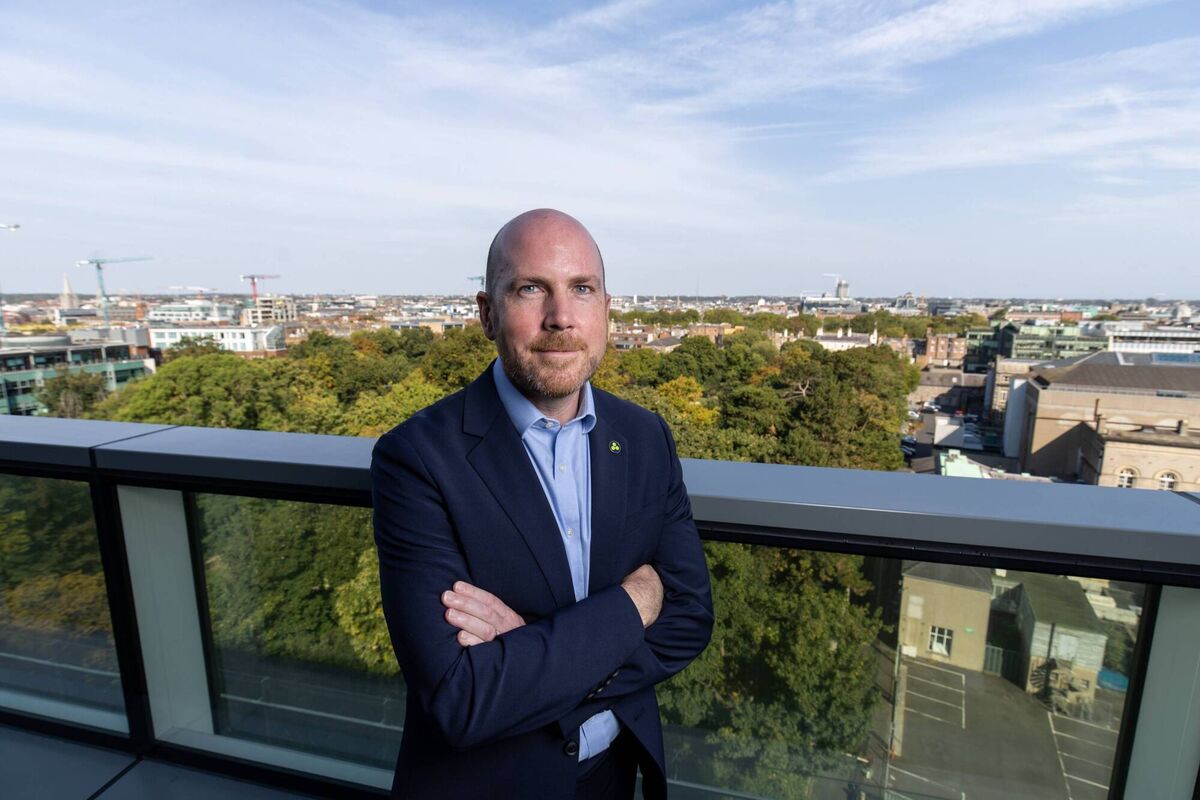
As we endeavour to absorb and process the near constant reports of global progress and setbacks in matters of clean energy, it helps to pay heed to the key messages of experts in the field.
Asked to share his, Dr Matt Kennedy, global leader of client transformation at IDA Ireland replies: “My key message is that we cannot tackle issues in isolation. Climate science tells us that a world on course for a temperature increase of 2.6-3.1°C is a threat to human civilisation. We must acknowledge that climate change is much wider than carbon emissions, just as land degradation is about more than soil.
“Sustainable energy, especially offshore wind, presents an opportunity for Ireland to make our society and economy more resilient,” he continues. “Resilient from a security of energy supply perspective, to a strengthening of our industrial supply chains, to the provision of cleaner air and enhanced quality of life.”
Acknowledging that globally we are experiencing challenges around economic development, biodiversity protection and social equity, he says: “I feel there is a critical role for private industry and business, in the driving of innovation and in the enabling of our green transition. This could involve leveraging experience in digital technologies and sustainability to help our shift to a cleaner and more sustainable future.”
Of the “real” growth opportunities arising from such an acceleration,” he says: “While sustainability investments can strengthen our technological advances, this needs to happen at pace so we can positively impact all sectors.”
He has much to say on his vision for how the future might look, when climate change initiatives have been taken: “The future should be about delivering more sustainable outcomes: Our future cities and systems will be resourced from green electricity, biofuels and hydrogen. Our businesses will be adapting to technological change. Productivity will be driven through innovation. The result will be the delivery of social value.”
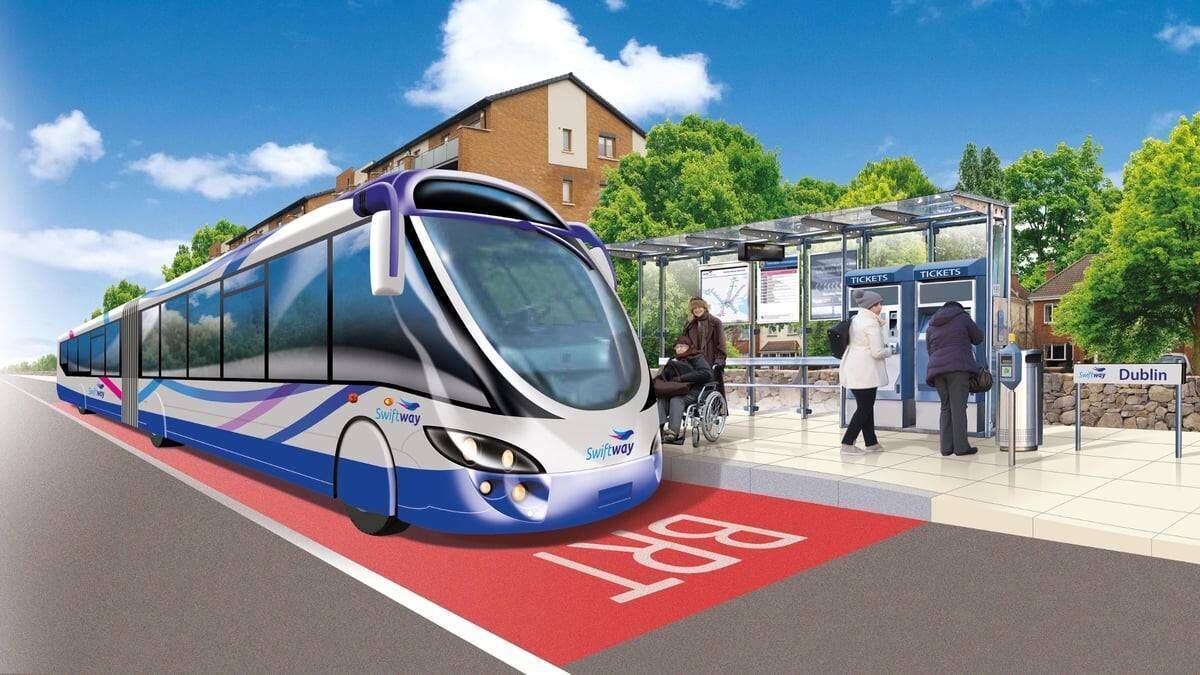
As for the transport systems of the future, he says: “They will be carbon-neutral, multimodal, accessible and inclusive. Our cities will connect thriving neighbourhoods and places that realise environmental benefits. As for our approach to land use and management, that will be sustainable.”
The creation of a clean future requires much planning.
According to Dr Kennedy: “We need to plan better cities for today’s world and for the future. This involves recognising and acknowledging that cities are made up of diverse institutions, businesses, and infrastructures that are both connected and interdependent.
“If you disrupt one part of this system-say for example, water or energy supply-this can cause failure in other components, such as transport, health and waste systems. We need to think more about resilience across all of our systems. Incorporating resilience is aligned to what investors demand, along with enabling a smoother transition towards meeting our climate goals.”
In acknowledging that the transition to low carbon and climate ready cities-of the sort that are both inclusive and equitable-is a key societal challenge, he continues: “Avoiding the use of fossil fuels is being prioritised, so as to ensure a rapid halt in the rise of atmospheric concentrations of greenhouse gases. But with growing populations, we recognise that we need to find new ways of improving local economic opportunities.
“This is where larger businesses can interact with SMEs, developers, and social entrepreneurs to transform cities. These actors also have a large role to play in their contribution to the public realm and in creating a more vibrant environment for employees.”
Remarking that attention is now being “correctly” placed on developing more sustainable buildings along with transport connectivity and reliability, he continues: “Effective transport policy is about delivering compact growth within the existing footprint of cities. It is also about improving access to employment and education, and promoting international connectivity. For businesses either looking to locate in Ireland or to grow their existing footprint here, all of these are attractive components.”
As for the growth, globalisation and increased consumption that place increasing demand on our energy systems, he says: “Investment in both efficiency and renewables, at scale, such as offshore wind, is critical for meeting our societal and business needs while also delivering on our climate commitments. This is also connected to our land use policies that will enable employment, housing, and industry to flourish.
“To achieve net zero, every element of our economy will need to decarbonise. Our infrastructure systems don’t exist in isolation. We need to achieve transformational change, which is something that requires a systematic approach.”
This approach is not without its challenges, as Dr Kennedy explains: “These projects are longer term, while we are seeking emission reductions to begin immediately. By delaying emissions, we buy time to avert future climate impacts.”
On the topic of business transformation, which is one of his many areas of expertise, he says: “Our industry is shifting to net zero, always informed by an ecosystem that includes policy, regulation, and finance. We are witnessing our large industry users-across sectors such as engineering, life sciences, green economy, and technology-embrace sustainability and decarbonisation. International businesses are constantly informing their decisions based on an understanding of costs and available resources. They use this knowledge to shape innovative business models, introduce new technologies, and deliver new training programmes, to drive growth.”
In acknowledging that digitalisation underpins everything we do daily from transport, to energy, water, waste, and engineering,” he continues: “Digitalisation will be a critical enabler as we navigate the energy transition and work towards achieving more liveable cities.
Investing in our talent and skills development will enable Ireland to maintain its competitive edge, build high performing teams, and have a pathway for individuals and teams to grow and seek new market opportunities. It’s about demonstrating the value of climate action. The cost needs to be seen more in terms of investment and the outcomes we want to achieve.