Summer staycations: Magical old Ireland
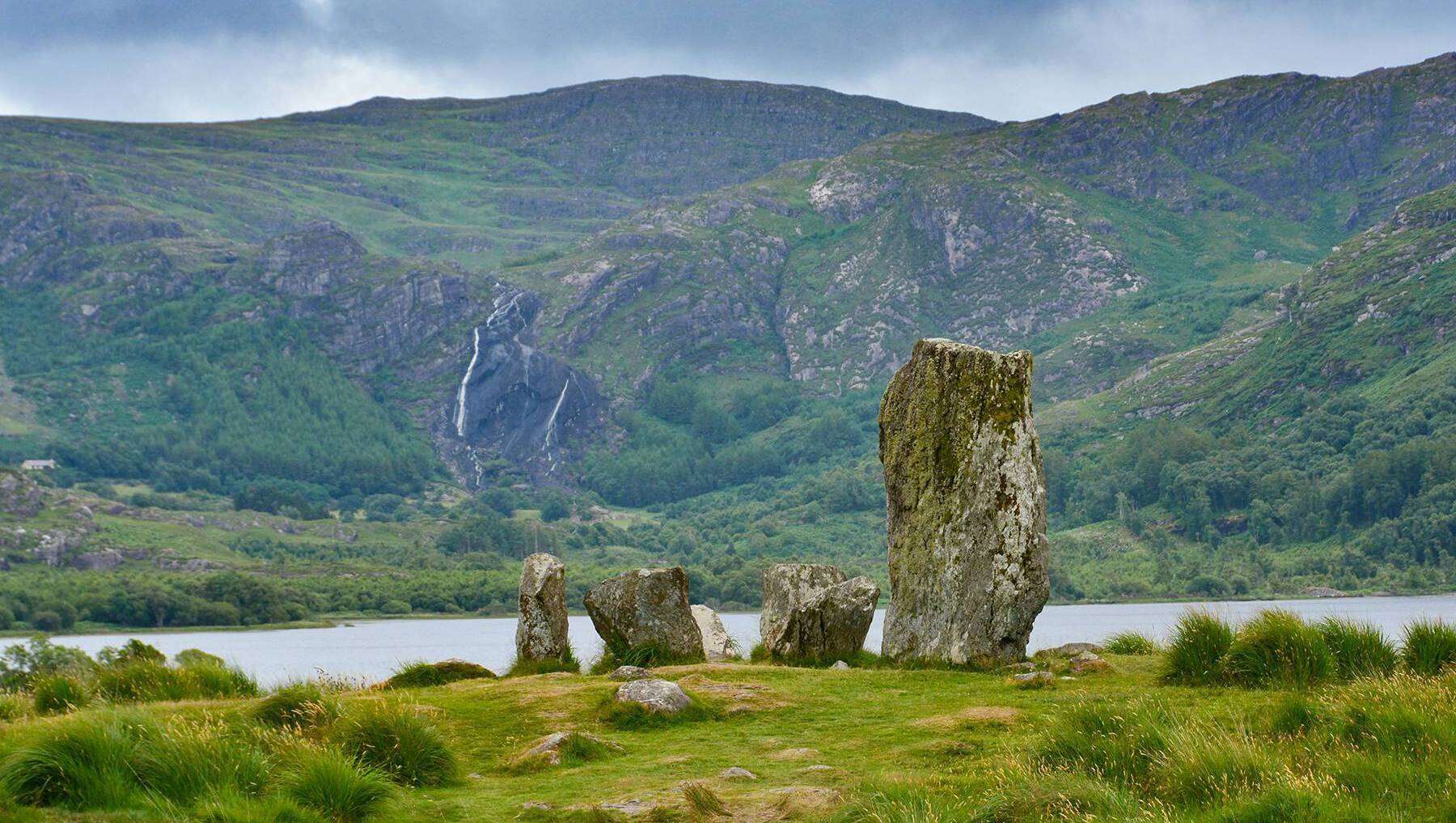
Uragh circle, on the Beara peninsula, is incredibly dramatic in its beautiful lofty setting. Picture: Richard Mills
Admiring monuments to our ancient culture, author takes us on a tour of dolmens, fairy forts and places featured in her recent popular historical books; with photography by
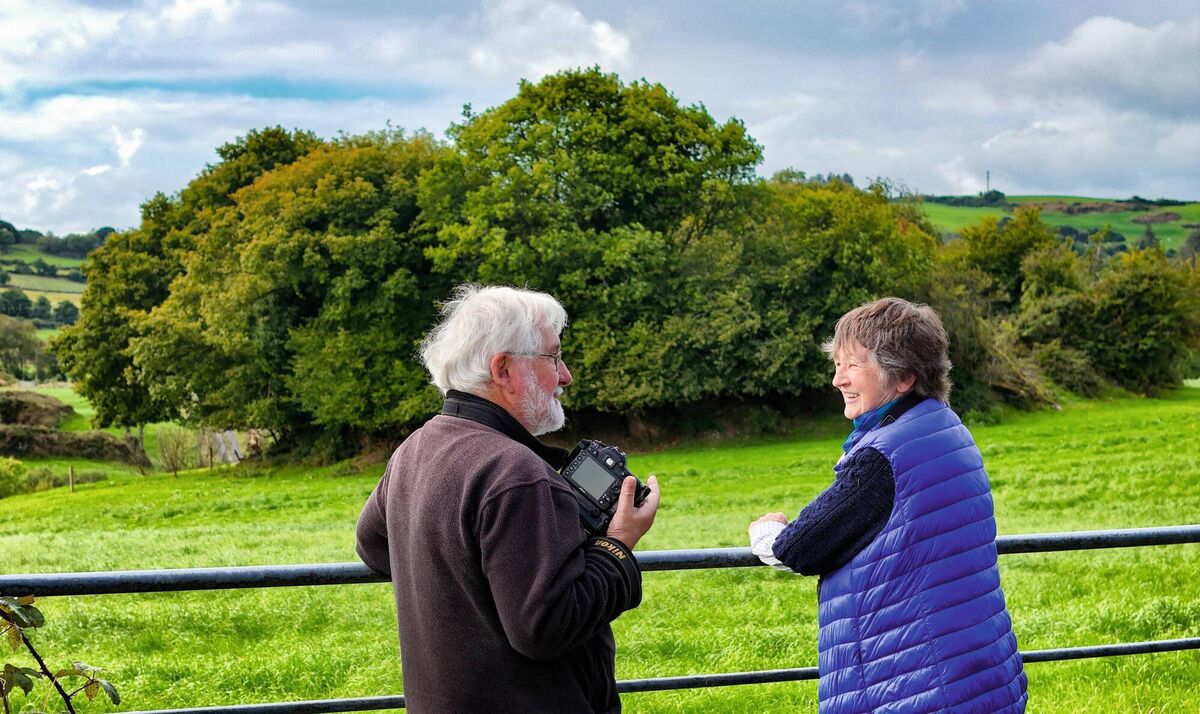
All too many people searching for ideas and places to explore on their next staycation go by what the tourist brochures tell them. But honestly, we have more than enough of the well-known and over-visited famous sites.
You owe it to yourself to break away from the well-trodden road and explore the paths less travelled. Make this the year you rediscover our wonderful heritage.
We are truly fortunate in having so much of that still to be found, where other, more heavily-industrialised, heavily-populated countries have lost the great part of theirs. Wherever you go, there will be something unusual, unique, wonderful, to discover for yourself, not from a colourful printed map, and unforgettable for that very reason.
As Richard and I wander all over Ireland to research the next book (there have been seven so far, with number eight firmly in our sights) we are constantly delighted with the places and the things we discover. Whether your interest is in ancient artefacts or 19th century technology, traditional beliefs or medieval trade, you will find so much by just leaving the tourist route and striking out on your own.
How about fairy forts? Although so many (over 50,000), these are not usually marked on modern OS maps. Google Earth is your best friend here. Study the landscape and soon you will be able to discover those wonderful little circles everywhere. Track them down. Just remember the rules: from a modern viewpoint, they may be on private land; and from our cultural tradition, it is highly inadvisable to invade, despoil, carry away from a fairy fort. Themselves will definitely not like it, and may take steps to let you know of their displeasure.
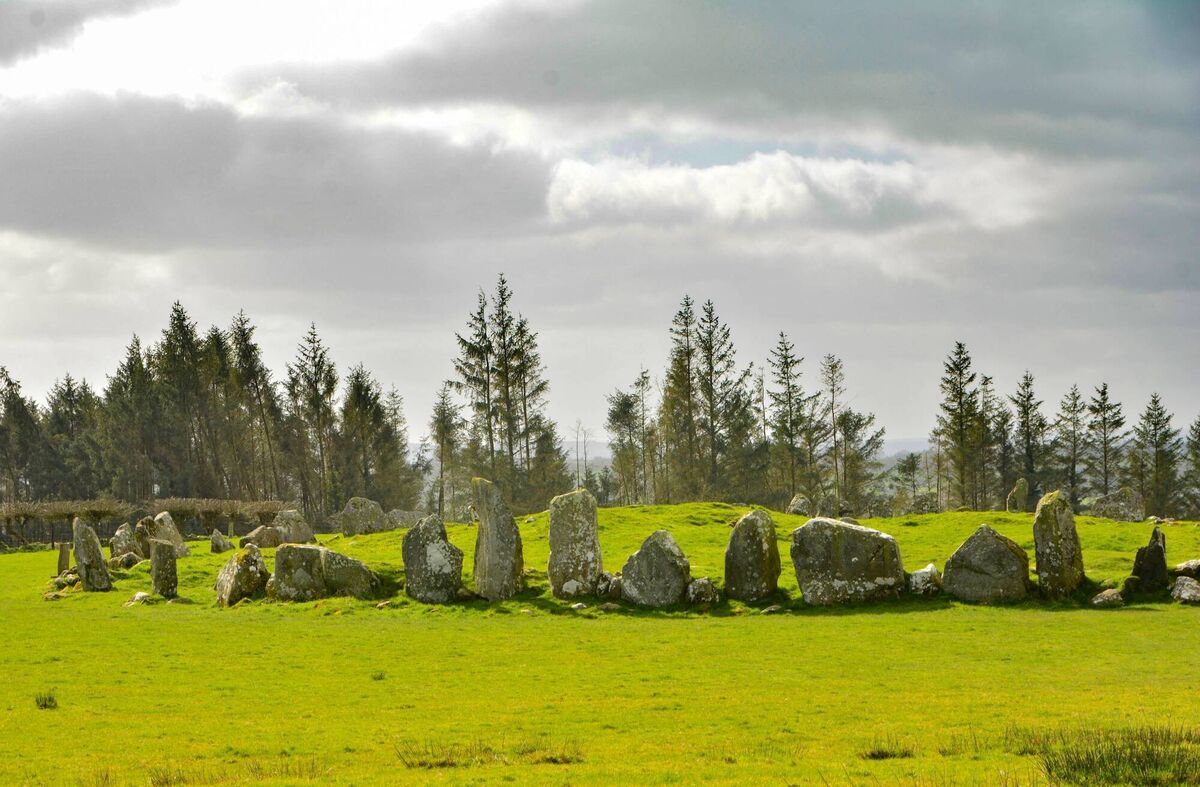
Dolmens, standing stones, stone circles, something else in which Ireland is still richly blessed. However, the well-known ones like Newgrange, Drombeg, Poulnabrone, are far too well visited and written about. Go out and find your own.
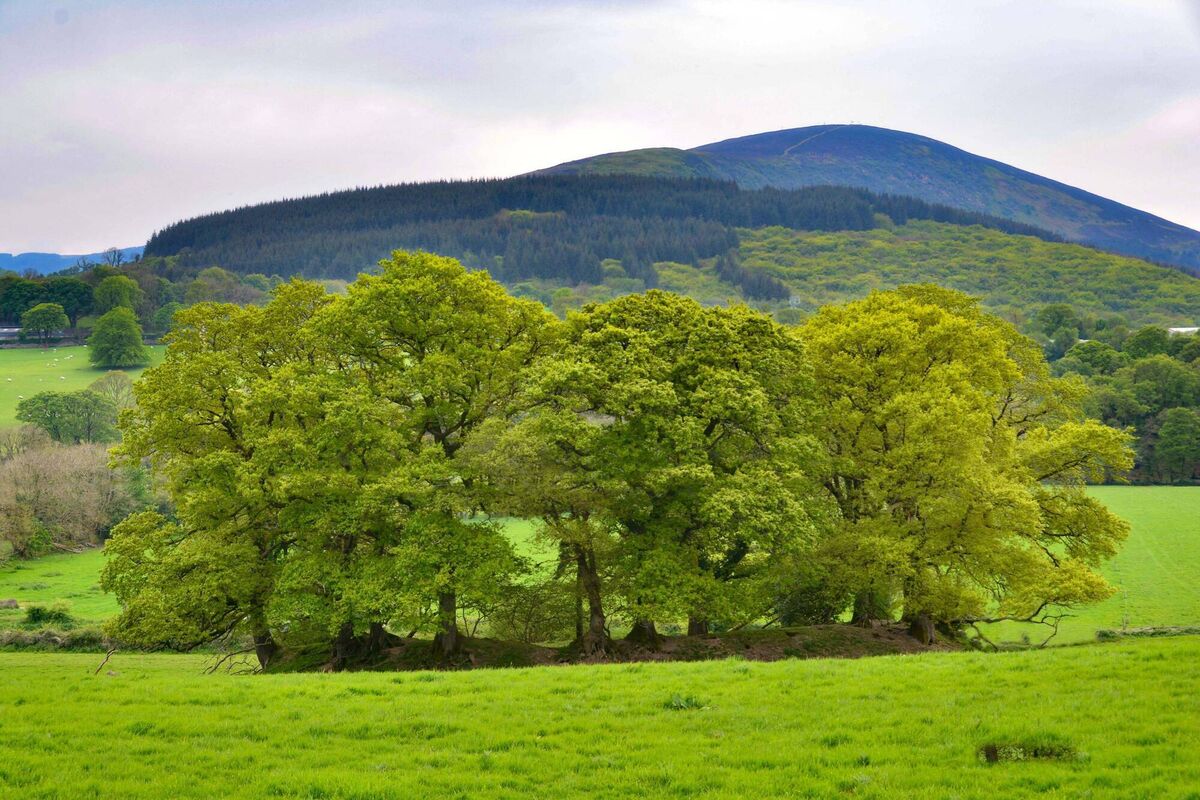
Beltany stone circle is an experience, set on a remote windy hilltop in Donegal. Here the druids studied the stars and conducted sacred rituals at the important festivals of the ancient Irish year. Uragh circle on the Beara peninsula, far smaller, but incredibly dramatic in its beautiful lofty setting. Dramatic Brownshill portal tomb or dolmen in Co Carlow, how on earth was it constructed, how did they get that enormous weight up there without a modern JCB? Experts are still pondering that question.
You don’t have to stay in the distant ancient past. Look back barely a century and discover the forgotten heritage all around us. How did our forbears travel before we had the motorways and fast cars? They used rivers, then canals, followed by the railways, as well as the immemorial paths across hills, through passes, along coastlines. Their trade routes alone are a fascinating topic to rediscover.
Hidden secret harbours abound, where our forefathers secretly shipped out wool, linen, foodstuffs, at a time when English rule forbade it. Did you know that Daniel O’Connell’s family were very involved in this – and in the even more dangerous trade of helping young Irishmen escape to education in France when this was forbidden at home under the penal laws? Head for Derrynane in Kerry and see the landscape for yourself.
Or make this the year you really discover the history of one of our great rivers. The Blackwater, for example, rising on the Cork/Kerry border and winding east past Lismore Castle until it makes a great loop at Cappoquin and comes down to the sea at Youghal, Did you know it once reached the ocean further east, at what is now called Whiting Bay, but retains its original Irish name Beal Abhann, or Mouth of the River? Old Irish names are often a clue to the hidden past.
The Three Sisters, the Barrow, the Nore, and the Suir rivers meet at Waterford, each with its own fascinating past. The Nore takes you up to Kilkenny, long the stronghold of the Earls of Ormond who had their casks of wine, luxury foods, even their royal letters from London, brought up the river to their castle. The Suir, winding from the west and holding the history of a great cotton mill at Portlaw which imported its raw product from America and exported the finished cloth. The Barrow, which was so important as a link from Waterford to Dublin that they canalised it on the upper stretches and meshed it into the Grand Canal.
And oh those canals which still remain, tracing bright lines across our landscape from east to west, many with their docks and locks and gates lovingly maintained and painted by local enthusiasts. One of the loveliest things you can do, on crossing one of those distinctive humped bridges over a canal is to climb down the bank and look underneath the stone arch. There you will often find the deeply-scored rope marks, gouged into the stone by the endless passing of the tow horses over the years. They are an unforgettable sight, testament to the hundreds of barges, the uncounted boxes, bales, barrels, that passed this way from one side of our land to the other.
Did you know that the people of Limerick always claimed that their Guinness tasted better than at its source in Dublin, because of the long slow canal journey which, they said, gave it time to mature? Travelling by canal must have been relaxing too. No rushing, just the peaceful passing of the landscape on both banks.
The end of the canal at Shannon Harbour in Co Offaly is a must to visit. As well as being able to see the actual entrance to the mighty river (with a helpful signpost rising from the waterway to indicate the entrance to the Grand Canal for boats), you can see the huge old ruined hotel which once catered for wealthy travellers en route from Limerick to Dublin or vice versa. Stand on the steps of that decayed ruin and you can almost hear the echo of long-ago voices, shouts from the quayside, the rumble of Bianconi’s carriages, the thump of packages being unloaded. There is another one at Robertstown, and indeed one right in the centre of Dublin, where Latouche Bridge crosses the Grand Canal’s circular route around the city. It’s currently a language school (which sort of fits, given the number of visitors from other countries who would have boarded the barge here), but still retains the giant Crosthwaite clock on its edifice which is characteristic of all the canal’s hotels in its heyday, since knowing the times of departure was essential (yes, this was before wristwatches and mobile phones).
Even as the Grand Canal opened in the early 19th century, the far-off rattle of the railways could be heard approaching. Rail brought undreamt of speed and for the first time everybody could afford to travel (at least on excursion days). Although our rail network is now a mere skeleton, at one time there were lines to take you everywhere. Out into Connemara for instance, where much of The Quiet Man was filmed.
Remember that stirring scene when Maureen O’Hara is trying to escape by train, and John Wayne comes striding down the platform and drags her out of the carriage? You can visit that very station, at Ballyglunin, Co Galway, still kept smart and tidy by local enthusiasts, although it is a long time since a train passed by.
We hardly need mention the West Clare railway, immortalised by Percy French, but you can find little sections of it still bestriding sections of the rocky coast here. The writer Sean O’Faolain remembered the guards throwing heavy weights into the carriages before it set out from Ennis in stormy weather, so that the ferocious winds would not derail them.
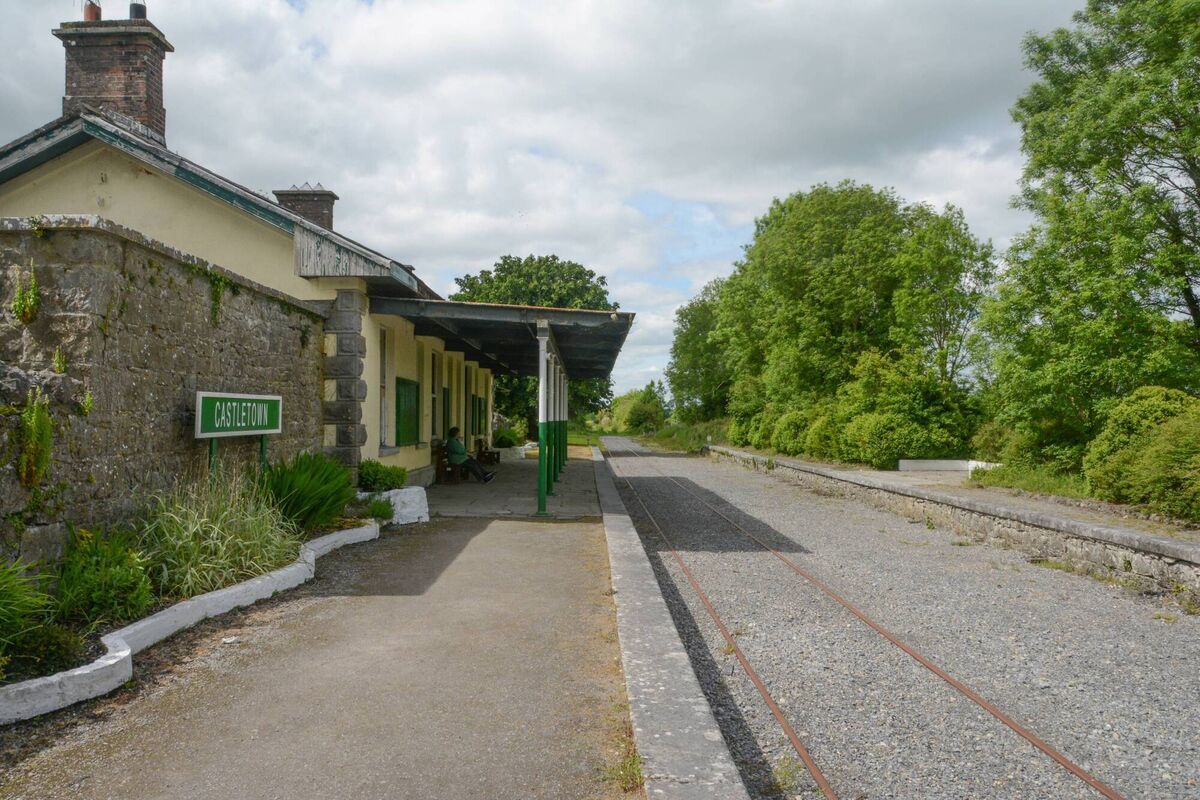
West Cork too still retains many echoes of its great railway past, with stations and platforms to be rediscovered everywhere. The wonderful railway bridge at Ballydehob is well known, but the station in Clonakilty less so, sited as it is up a steep hill off the main street. Ask in the old pubs there, and you will hear stories of the midnight “specials” taking enthusiastic supporters up to Croke Park for a final, back in the good old days. There are other old stations too – that in Drimoleague can still be seen at the back of a car park – and one or two former level crossings alongside today’s fast roads. Here the OS maps genuinely can help, as you can often trace the former lines on them.
And how about the wonderful Sligo-Leitrim line, now almost totally forgotten? The service actually started in Enniskillen, and just where it crossed into the Republic, there is a humpbacked bridge dividing the villages of Belcoo in Fermanagh and Blacklion in Cavan. If you ever needed to realise the daftness of partition, then stand on this little bridge and look at the shops, the post offices, the businesses, the schools, on either side, a few feet from each other, with locals crossing the bridge from one side to another all the time. The railway station is another of those lovingly-maintained structures where you can really imagine it as it was back a century ago. During the war years, when running trains was an impossibility, they actually converted a couple of buses to take to the tracks here, and you can still see one such bus parked on the tracks by the level crossing gates.
There is a lovely story about the Belcoo-Blacklion bridge also concerned with the war. A circus which had been touring the North came to this crossing on the very day that war had been declared in 1939. Since most of the performers were from all over Europe, the officials on the English side said they would have to be interned en masse The Irish side, however, over-rode that and welcomed the entire company across, wagons, animals, the lot. In gratitude, the circus put on an impromptu show right there and then in the middle of the Irish street.
A positive event in a dark hour, wouldn’t you say? Think of it when you go and see the place for yourself.
- Jo Kerrigan, with photographer husband Richard Mills, is the author of seven books from O’Brien Press: West Cork, A Place Apart; Old Ways, Old Secrets; Follow The Old Road; Brehon Laws, The Ancient Wisdom of Ireland; Stories from the Sea; All the Way by the Grand Canal; Fairy Forts – Portals to the Past.